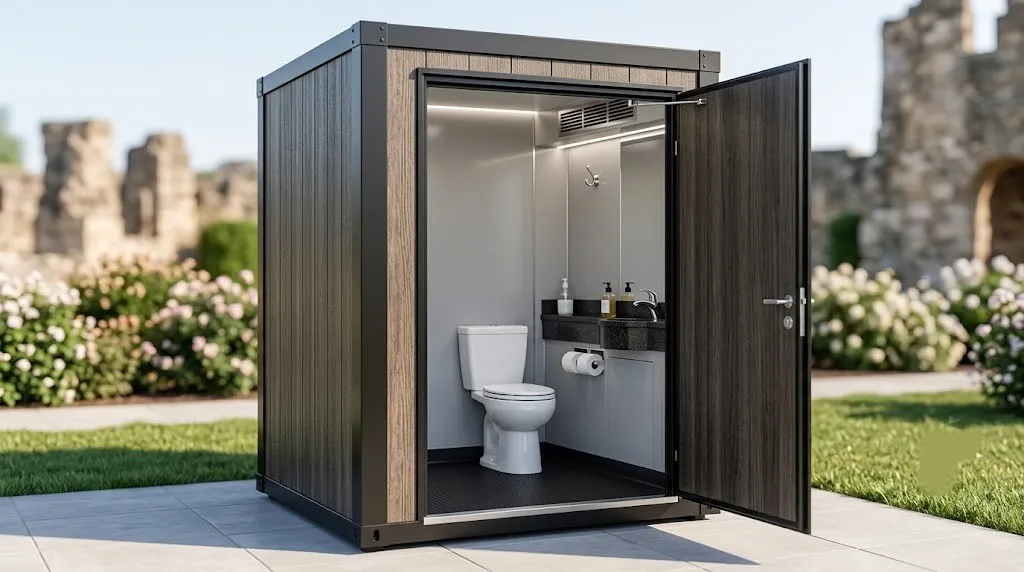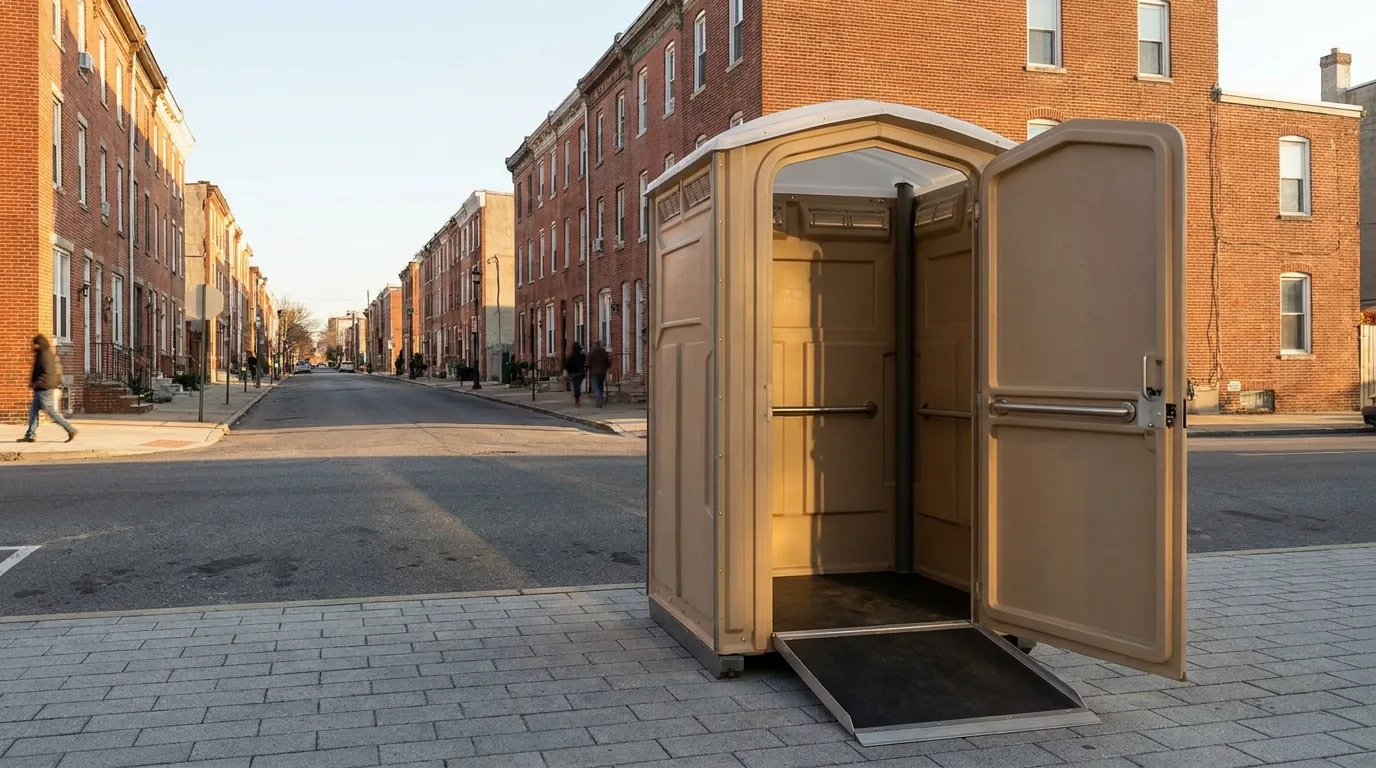
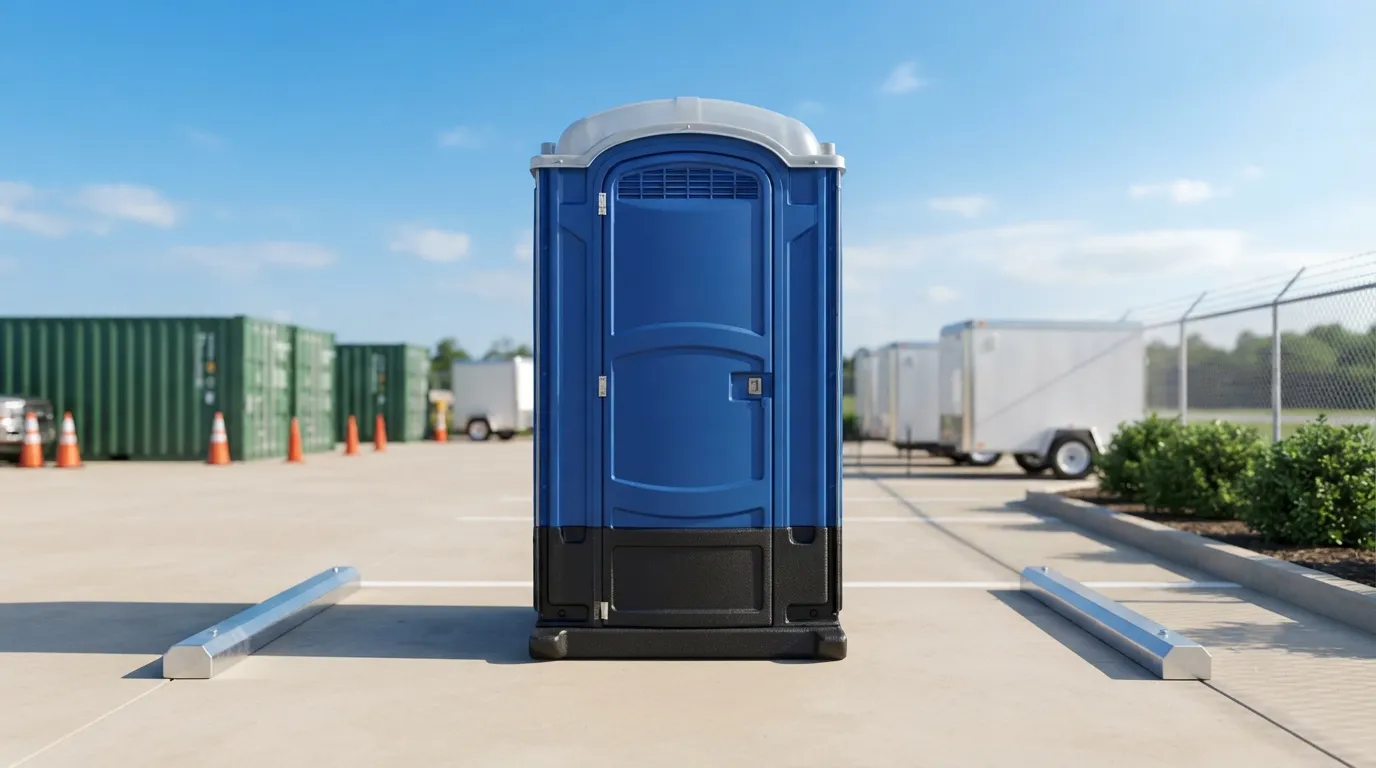
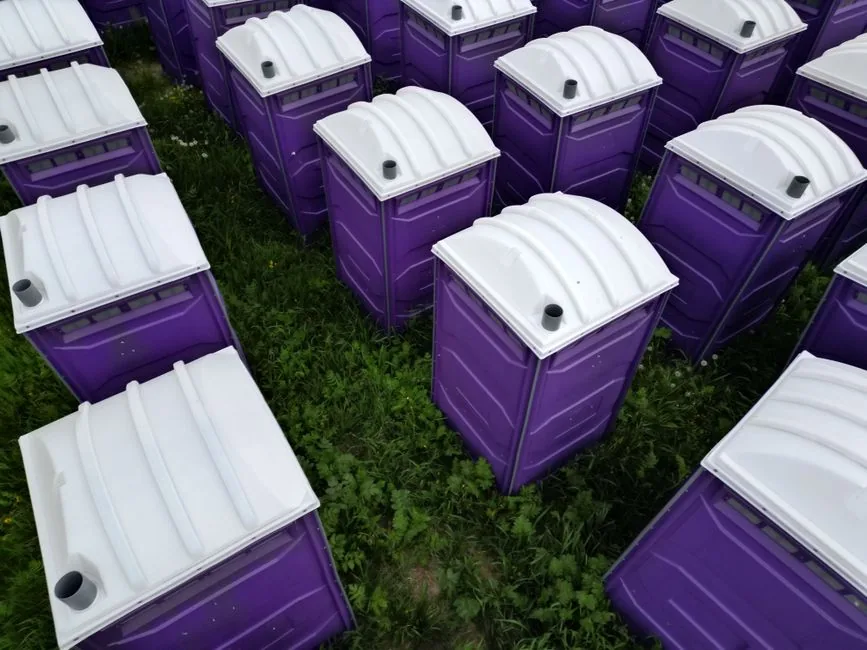
Standard porta potty
$125 to $250 a weekend
Milwaukee, WI
Grease trap pumping keeps fats, oils, grease and solids from building past the point where they clog a line or trigger a violation. The rule of thumb: pump when FOG and solids reach 25 percent of the liquid depth in the interceptor. Milwaukee Porta Pros runs scheduled and same-week grease trap pumping across Milwaukee kitchens, cafeterias and food trucks.
Grease trap pumping is priced closer to septic work than to a standard toilet rental, since it involves vacuum trucks and disposal, much like a construction dumpster rental job needs a truck with clearance to load out. A comparable service call for septic pumping runs 150 to 300 dollars a day, and that band is a reasonable stand-in for a routine trap cleanout. Restaurants with a fryer-heavy menu or a busy banquet schedule often need service more often than a quiet cafe, since grease accumulates faster with higher fry volume, the same logic property managers use when they check porta potty rental cost against expected foot traffic. If you are also managing an on-site septic pumping service for a standalone tank, bundling both visits on one truck run usually keeps the invoice tighter. Ask about septic tank pumping cost if you are comparing a trap against a full tank job, and check how often to pump a septic tank if your property runs both systems. Milwaukee restaurants near busy corridors tend to book pumping on a fixed rotation rather than waiting for a slowdown, because a slow drain during dinner service costs more than the pump truck ever will, the same reasoning that pushes event planners toward event restroom rental instead of hoping the venue's plumbing holds.
Grease trap waste is septage under Wisconsin law, and the state treats it the same way it treats septic and holding tank waste. The Wisconsin Department of Natural Resources requires any business that services or disposes of septage, a category the DNR states explicitly includes sanitary grease interceptors, to hold a license under ch. NR 113 of the Wisconsin Administrative Code. The person doing the pumping has to carry certification under ch. NR 114, as operator-in-training, certified septage operator or master operator, and a business needs a certified operator-in-charge holding an active master operator license before the state issues that business license. Land application of the waste falls under both ch. NR 113 and the federal 40 CFR 503 standard, and any business that land-applies septage files an annual DNR report on form 3400-055, a licensing detail worth confirming the same way you'd confirm dumpster permit requirements before a roll-off lands on site. This licensing structure is why a homeowner or restaurant owner in Milwaukee should ask who holds the license before signing a service agreement, the same due diligence worth applying to a porta potty rental Milwaukee contract. If your property also runs a septic tank for restrooms, the same rules apply, and septic tank cleaning crews typically hold the same NR 113 license.
A neglected trap backs up into the kitchen drain line, and that is a health code problem before it is a plumbing problem. Milwaukee's Department of Neighborhood Services enforces obstruction and public-way rules under Chapter 115 of the city code, and while that chapter is aimed at dumpsters and construction placement, it signals how seriously the city treats anything spilling into a public right of way, grease included. A trap overflow that reaches a storm drain or alley is a compliance issue on top of a mess, not unlike the site housekeeping expectations under construction site services. Restaurants near downtown Milwaukee, and those out toward Wauwatosa 3.8 miles west or West Allis 7.0 miles southwest, run the same DNR licensing requirement regardless of address. If your kitchen shares a lot with a construction trailer or a temporary kitchen setup, you may also need handwashing station rental or a portable sink rental to stay within 29 CFR 1910.141(d)(2), which requires soap and towels or a hand-drying device at any washing station, not sanitizer alone.
Most commercial kitchens need pumping every one to three months, driven by fryer volume and trap size, and the 25 percent FOG threshold is the trigger point regardless of schedule. A busy banquet hall or high-volume fry kitchen in Milwaukee often needs monthly service. Ask for a site assessment before locking in a rotation, the same way a contractor sizes up how many porta potties do I need before a crew shows up.
Yes. A backed-up trap during service hours is a same-day call, not a next-week appointment. Emergency response works the same way it does for emergency septic service: a truck dispatched to clear the blockage and pump the trap before it shuts down the kitchen.
Yes. Wisconsin law requires any septage business, a category that explicitly includes grease interceptors, to hold an NR 113 license and employ an NR 114 certified operator. Ask to see the license before you sign anything, the same paperwork check that applies to septic tank pumping cost quotes.
Often, yes. If your property runs both a grease interceptor and a septic or holding tank, one visit can cover both jobs. Check holding tank rental or grease trap pumping scheduling to see if your setup qualifies for a combined route.
The trap fills past the 25 percent FOG threshold, grease backs into the line, and the kitchen risks a shutdown. Watch for slow drains or odor, similar warning signs to what's covered in septic tank warning signs, and call before it becomes an emergency septic service situation, the same urgency that applies to emergency porta potty rental calls.
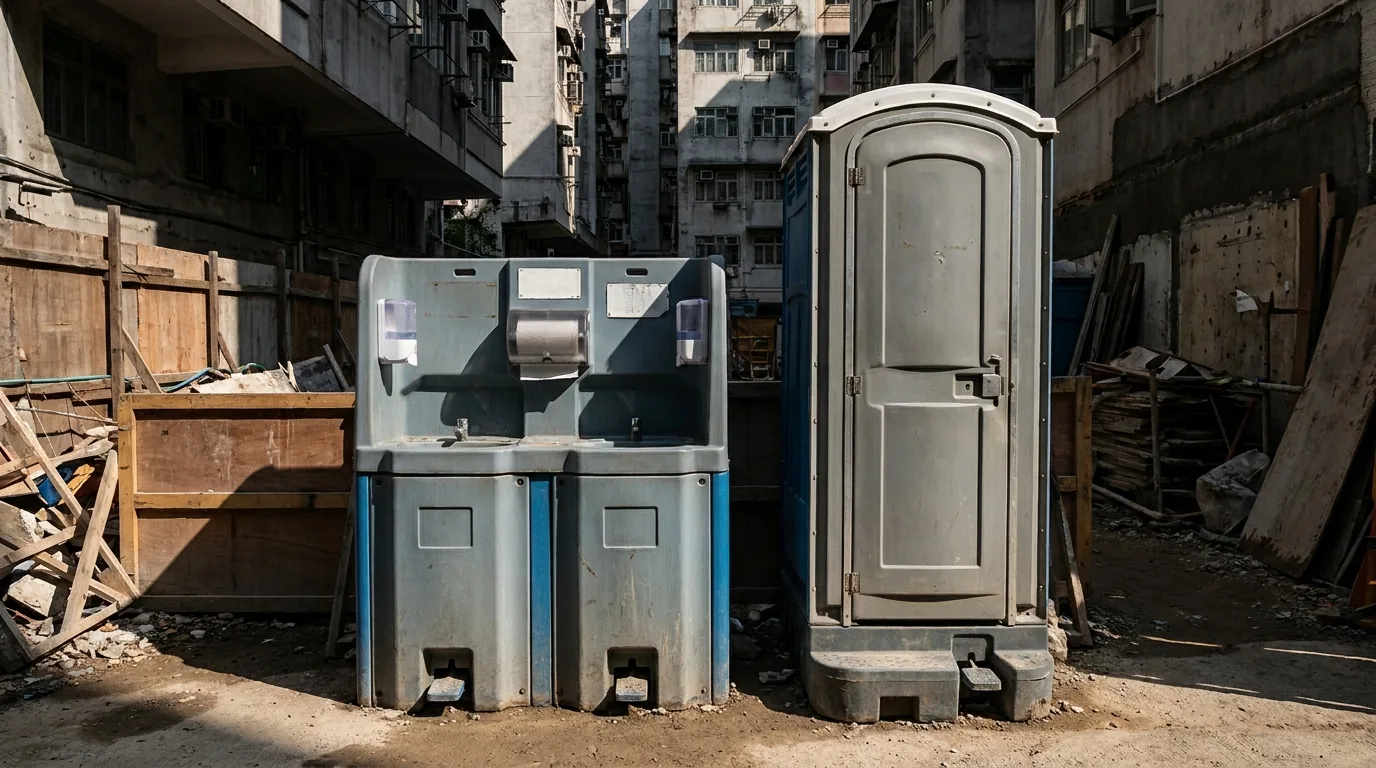
What we rent
Typical Milwaukee ranges, not a quote. Delivery is $50 to $150 and a weekly service visit $30 to $60. See the full cost breakdown.
$125 to $250 a weekend
$200 to $350 a weekend
$199 to $300 a weekend
Quoted by stall count
The rest of the yard
We deliver across Milwaukee County and the surrounding metro:
Next step
Tell us the address, the dates and the headcount. We size the order and confirm the route.