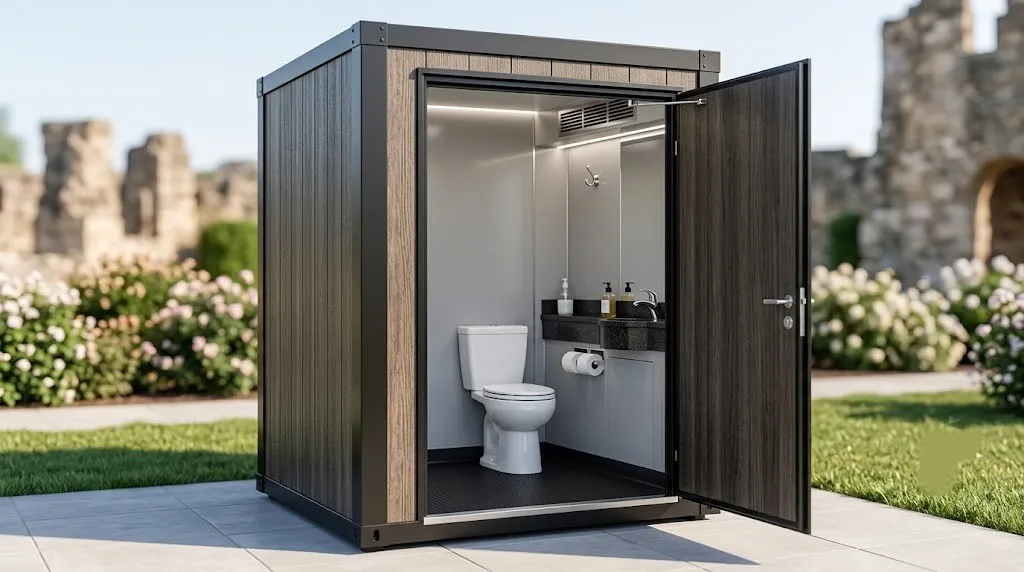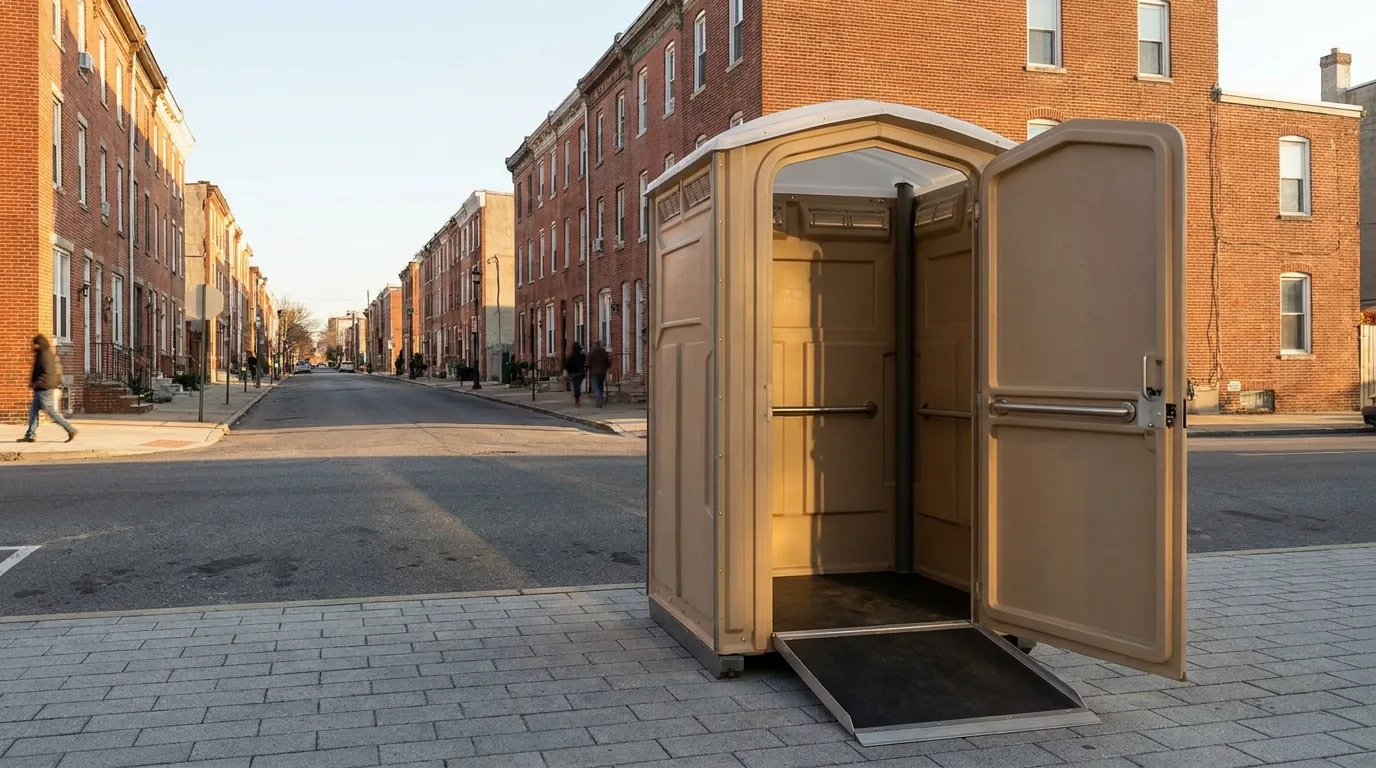
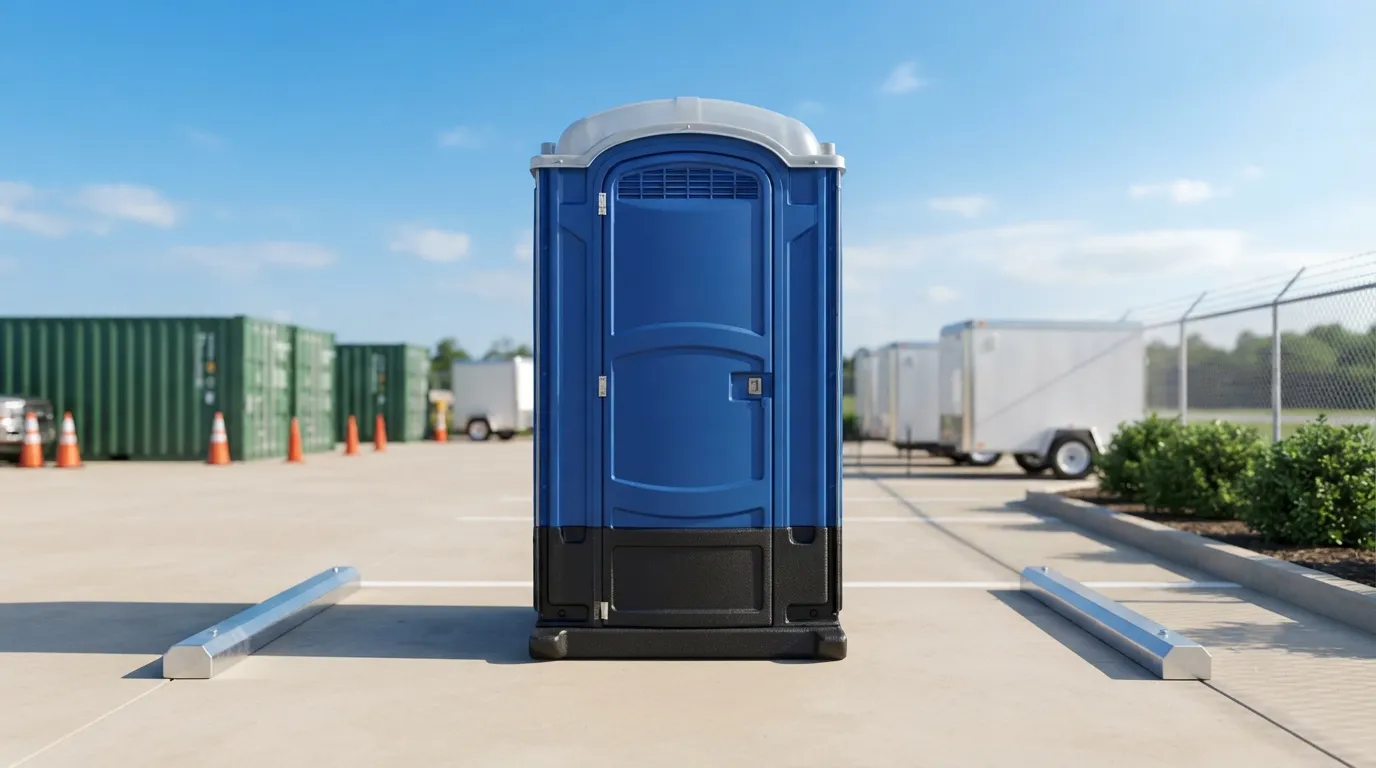
Standard porta potty
$125 to $250 a weekend
Milwaukee, WI
Farm crews and seasonal ag labor need a toilet within a quarter mile walk under federal field sanitation rules, and Milwaukee Porta Pros sets units at the field edge, the barn, or the packing shed. One standard unit runs $100 to $350 a day depending on term.
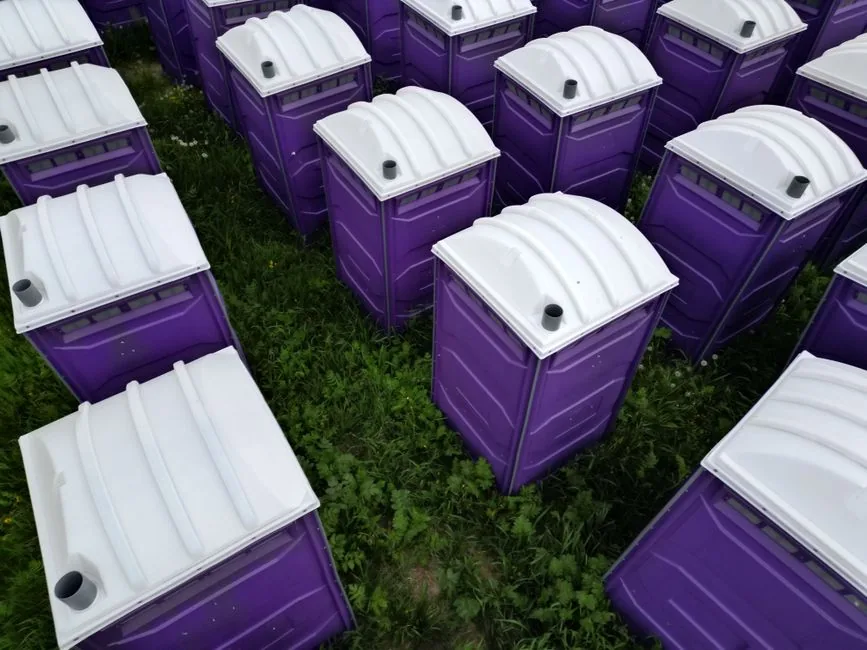
Field sanitation rules under OSHA 1928.110 call for potable water, toilets and handwashing within a quarter mile walk of hand-labor employees, at a ratio of one facility per 20 workers. That is the baseline for any farm operation in the Milwaukee area running seasonal crews, whether it is a produce operation west toward Brookfield or ground closer into the city. A standard porta potty rental covers most of this need. Each unit holds a 60 to 70 gallon tank and stands about 92 inches tall on a 44 by 48 inch footprint, small enough to drop at a field access road or next to equipment storage. If your crew count changes through the season, monthly porta potty rental pricing holds steadier than booking day by day, and our porta potty rental cost page breaks down what drives the difference. For wash-up after handling chemicals, OSHA 1926.51(f)(1) requires washing facilities where workers apply pesticides, herbicides or similar contaminants, and a handwashing station rental or portable sink rental satisfies that alongside the toilet. Larger operations with a packing crew or a farm store sometimes add a restroom trailer rental instead, especially if there's plumbing already run for a milking parlor or wash station. If you're not sure which setup fits your acreage and headcount, our how many porta potties do I need guide walks through the math, and general OSHA portable toilet requirements cover the difference between field sanitation and construction-site standards.
Set them close to the work, not close to the house. A quarter mile walk is the outer limit under OSHA 1928.110, so units belong at the field edge nearest the current work zone, and you move them as harvest shifts. Our porta potty placement guide covers ground stability, drainage, and keeping units off soft or sloped soil so service trucks can reach them without getting stuck. Milwaukee sits under NOAA climate normals showing 34.76 inches of precipitation a year and 69.1 days with at least a tenth of an inch of rain, so wet field access is a real planning issue here, not a hypothetical one. If your farm runs close to a road right-of-way, note that placement in a public way anywhere in the city needs confirming with Milwaukee's Department of Public Works, since Chapter 115 of the Milwaukee Code of Ordinances governs obstruction of public ways and the exact permit process for temporary placement was not fully verifiable from the published ordinance text. Farms further out, toward New Berlin 14.6 miles southwest or Mequon 11.8 miles north, rarely touch a public way at all, which simplifies things. Winter operations need their own plan too. Milwaukee's average January minimum runs 15.6 F and the area sees 125.5 days a year at or below freezing, so check our porta potty in winter page before you plan late-season harvest sanitation. Emergency swaps during peak season are common; see emergency porta potty rental if a unit goes down mid-harvest.
Most farmhouses and outbuildings on private septic follow a standard schedule: a typical residential septic tank gets pumped every 3 to 5 years depending on tank size and household size, and our septic pumping service covers that on a routine basis. If your operation runs a farm store, creamery, or commercial kitchen, a grease interceptor needs pumping once fats, oils and grease reach 25 percent of the liquid depth, which our grease trap pumping crew checks on inspection. Wisconsin treats portable toilet servicing as septage under state rules, and the Wisconsin DNR requires any business that services or disposes of septage, portable restrooms included, to hold a license under ch. NR 113 and to designate a certified operator under ch. NR 114. That licensing structure covers holding tanks and privies too, not just septic tanks, which matters if your farm uses a stationary holding tank at a remote building instead of running a full septic line. See holding tank rental for that option, or septic tank cleaning if you're overdue and seeing warning signs. Our septic tank warning signs page lists what to watch for before a backup happens mid-harvest, and how often to pump a septic tank goes deeper on the 3 to 5 year interval.
| duration | low | typical | high |
|---|---|---|---|
| day | $100 | $150 | $350 |
| week | $130 | $200 | $500 |
| month | $125 | $200 | $325 |
A day rate suits a one-time job like fence repair; a monthly rate suits ongoing harvest labor. See porta potty rental per day for shorter jobs.
Yes. OSHA 1928.110 requires potable water, toilet facilities and handwashing for hand-labor employees in agriculture, at one facility per 20 workers, reachable within a quarter mile walk. This is separate from the construction standard in OSHA 1926.51(c).
Only up to 20 workers under the field sanitation ratio. Past that, add units at one per 20. A porta potty rental checklist helps you count heads correctly before ordering.
Yes, across the Milwaukee area including sites near Franklin, 14.2 miles south, and Oak Creek, 19.5 miles south. Confirm access road width when you book.
OSHA 1926.51(f)(1) requires washing facilities for workers applying pesticides or herbicides. A hand sanitizer station rental does not meet this; use a proper handwashing unit instead.
What we rent
Typical Milwaukee ranges, not a quote. Delivery is $50 to $150 and a weekly service visit $30 to $60. See the full cost breakdown.
$125 to $250 a weekend
$200 to $350 a weekend
$199 to $300 a weekend
Quoted by stall count
The rest of the yard
We deliver across Milwaukee County and the surrounding metro:
Next step
Tell us the address, the dates and the headcount. We size the order and confirm the route.