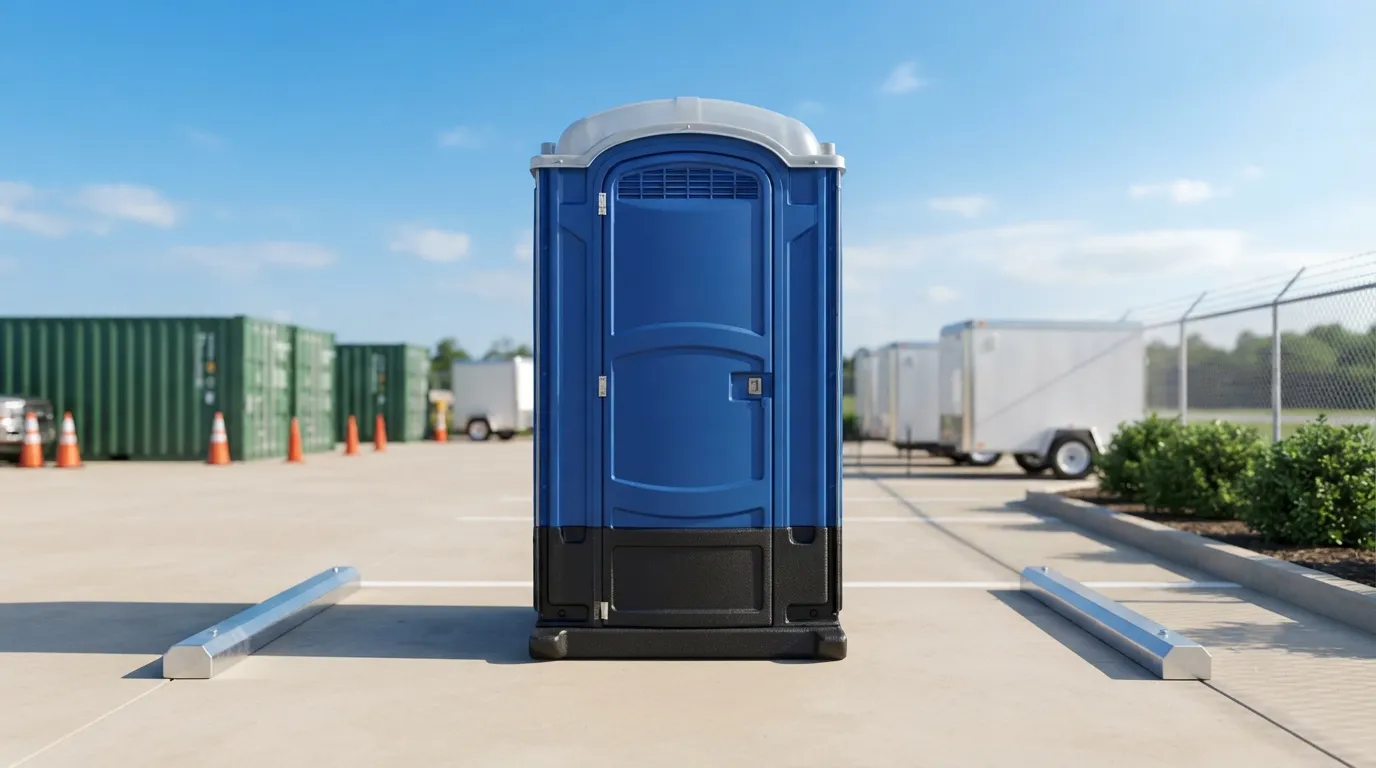
Standard porta potty
$125 to $250 a weekend
Milwaukee, WI
Paint, tires, batteries, propane tanks, appliances with refrigerant, and anything soaked in oil or chemicals cannot go in a roll-off dumpster in Milwaukee. A 20 yard dumpster typically runs 91 to 500 dollars a month, but that price assumes a clean load. Mix hazardous waste into a load and the hauler can refuse the pickup or charge a contamination fee. Check with Milwaukee Porta Pros before you load anything questionable.
Hazardous materials top the list: paint cans with liquid still inside, solvents, pesticides, herbicides, motor oil, and anything with a flammable or corrosive label. Add tires, car batteries, and propane tanks. Electronics with refrigerant lines, like refrigerators, freezers and window AC units, usually need separate handling because of the coolant. Wet paint is a common trip-up on renovation jobs; if you're stripping old coatings or applying new ones, OSHA 1926.51(f)(1) requires washing facilities for crews exposed to paints, coatings, herbicides or insecticides, so plan for a handwashing station rental alongside your construction dumpster rental. Medical waste, asbestos, and railroad ties treated with creosote are typically barred too. If you're not sure whether an item qualifies, ask before the truck shows up. A 10 yard dumpster rental or a 20 yard dumpster rental both carry the same restrictions regardless of size. For full loading rules, see what cannot go in a dumpster as your reference point, and check dumpster weight limits too, since banned items often overlap with items that also spike a load's weight.
Because landfills and haulers are regulated, and mixing hazardous material into general debris creates a disposal problem that follows the load downstream. Wisconsin treats septage and certain waste streams under specific rules; the Wisconsin DNR requires septage businesses to be licensed under ch. NR 113 and operators certified under ch. NR 114, which is a separate track from dumpster debris but shows how seriously the state tracks what goes where. A dumpster full of household junk is one thing; a dumpster with a leaking oil drum in it is a liability the hauler won't take on. That's part of why dumpster permit requirements in Milwaukee matter too. If your dumpster sits in the public way, a permit is required under Milwaukee Code of Ordinances Chapter 115, section 115-32, Obstruction on Public Ways, and the Department of Public Works sets the rules and fees for that occupancy. The exact fee isn't published anywhere we could verify, so confirm directly with the city before you place a container at the curb. Chapters 116 and 245 also touch on use of public ways, so a longer-term placement in Milwaukee might fall under a different review path than a short weekend rental. Compare your options at roll-off dumpster rental or look at a 30 yard dumpster rental if you expect a large mixed load without hazardous content.
Usually yes for general debris, but treated wood, roofing tar, and large amounts of concrete or dirt often need their own container or a weight allowance. A 40 yard dumpster rental handles bulky construction debris well, but concrete and shingles are dense and can max out a weight limit fast even in a big box. Yard waste like branches and leaves is typically fine mixed with construction debris unless your hauler asks you to separate it. If you're clearing a renovation site, pair your container with a home renovation porta potty for the crew, since sanitation and debris removal usually get scheduled together. On active job sites, OSHA 1926.51(c) sets toilet counts by crew size, starting at one facility for 20 workers or fewer. Milwaukee sits about 3.8 miles east of Wauwatosa and 7.0 miles northeast of West Allis, so a lot of renovation and teardown work in the metro moves debris and equipment across those corridors in the same week. Review dumpster sizes and dimensions to match container size to what you're actually hauling, and check dumpster rental cost before you commit to a size.
The hauler can refuse pickup, charge a contamination or sorting fee, or in some cases leave the load until the item is removed. This is the most expensive mistake renters make, because it delays the swap and can hold up a whole project schedule. If your site produces grease or fryer waste, that's a separate stream entirely; grease is pumped once it reaches 25 percent of the liquid depth in an interceptor, and grease trap pumping is a different service than dumpster hauling. Septic and holding tank waste never belongs in a dumpster either; that's handled through septic pumping service or a holding tank rental. If your project also needs fencing to keep debris and the dumpster secured overnight, look at temporary fence rental or a chain link temporary fence. For sites in Milwaukee running multiple rentals at once, a construction site services package usually costs less hassle than coordinating separate vendors.
Paint, solvents, pesticides, tires, batteries, propane tanks, refrigerants, asbestos, and medical waste are consistently banned. Some haulers also restrict mattresses or large appliances without a separate fee. Always confirm your specific list with Milwaukee Porta Pros before loading.
Only if the paint is fully dried out and solid. Liquid paint counts as hazardous waste and needs separate disposal. Latex paint can sometimes be dried with cat litter or a hardening agent first.
No, yard debris like branches and leaves is generally accepted in a standard dumpster load. Large tree stumps or heavy root balls may exceed weight limits though. Ask your hauler about volume before filling the container.
Call before you load it. A quick question costs nothing, but a contaminated load can trigger extra fees. Request a quote and mention any questionable items upfront.
Most electronics without refrigerant, like old TVs or computers, are fine in general debris. Refrigerators, freezers and AC units need separate handling because of the coolant lines. Check with your hauler before including large appliances.
What we rent
Typical Milwaukee ranges, not a quote. Delivery is $50 to $150 and a weekly service visit $30 to $60. See the full cost breakdown.
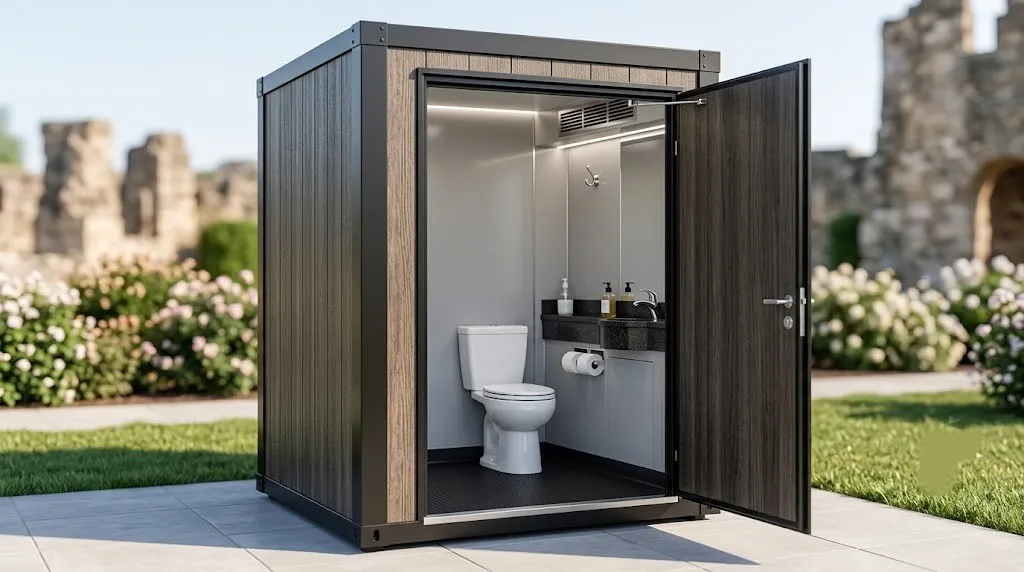
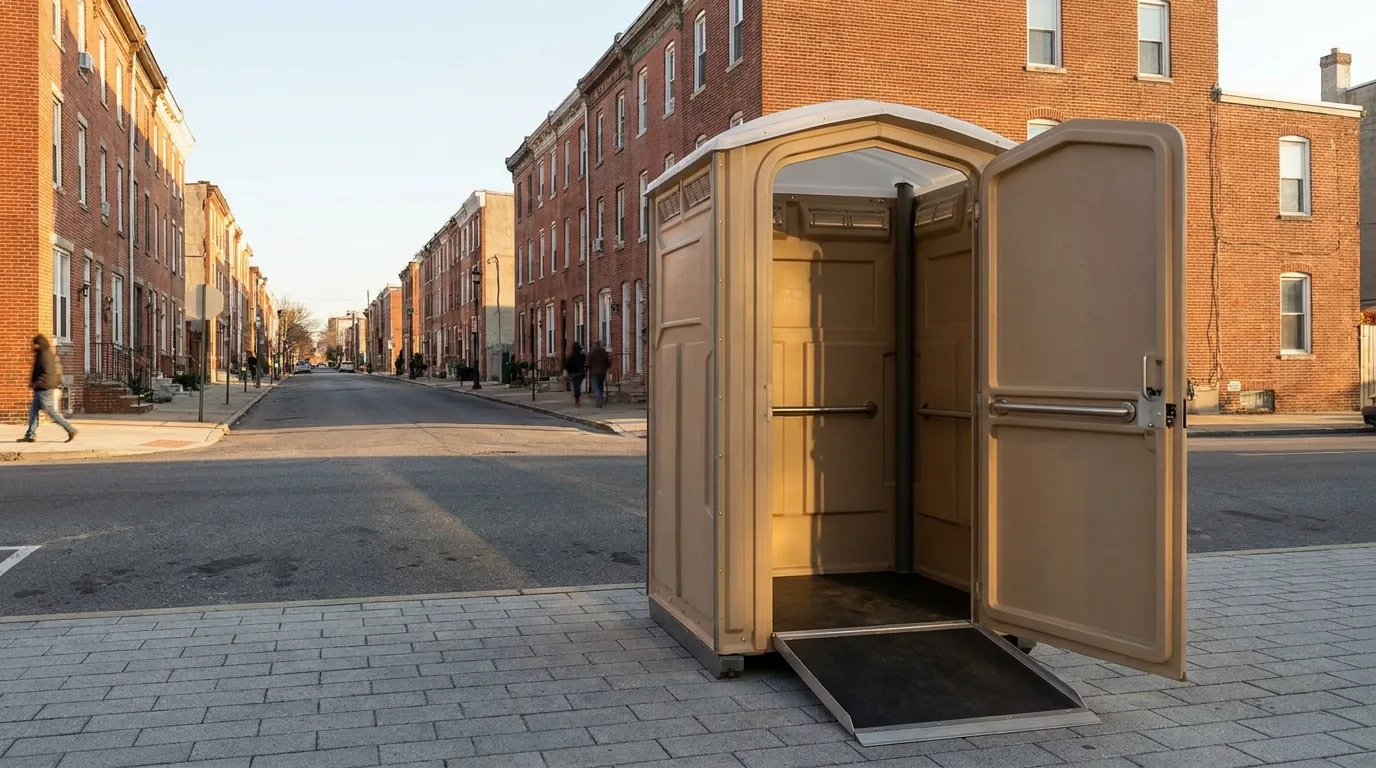
$125 to $250 a weekend
$200 to $350 a weekend
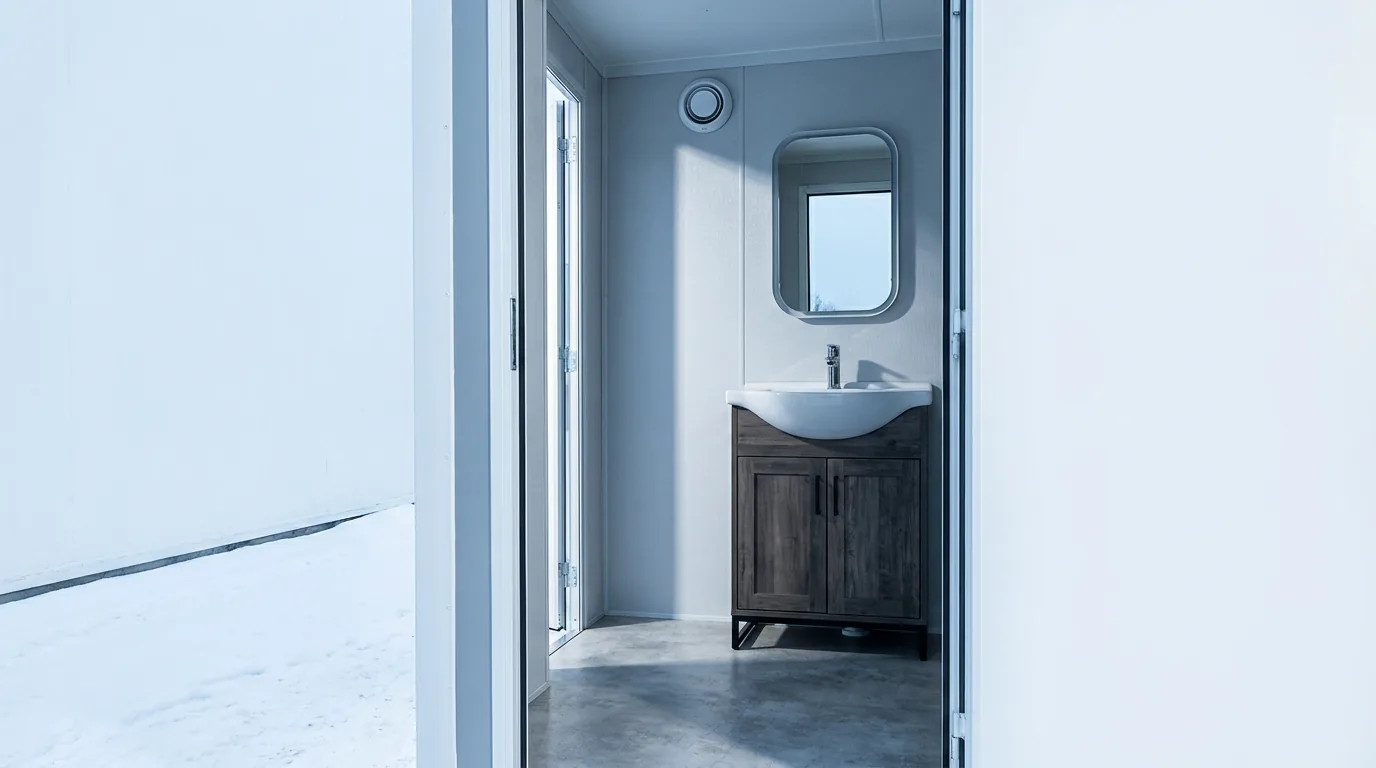
$199 to $300 a weekend
Quoted by stall count
The rest of the yard
We deliver across Milwaukee County and the surrounding metro:
Next step
Tell us the address, the dates and the headcount. We size the order and confirm the route.