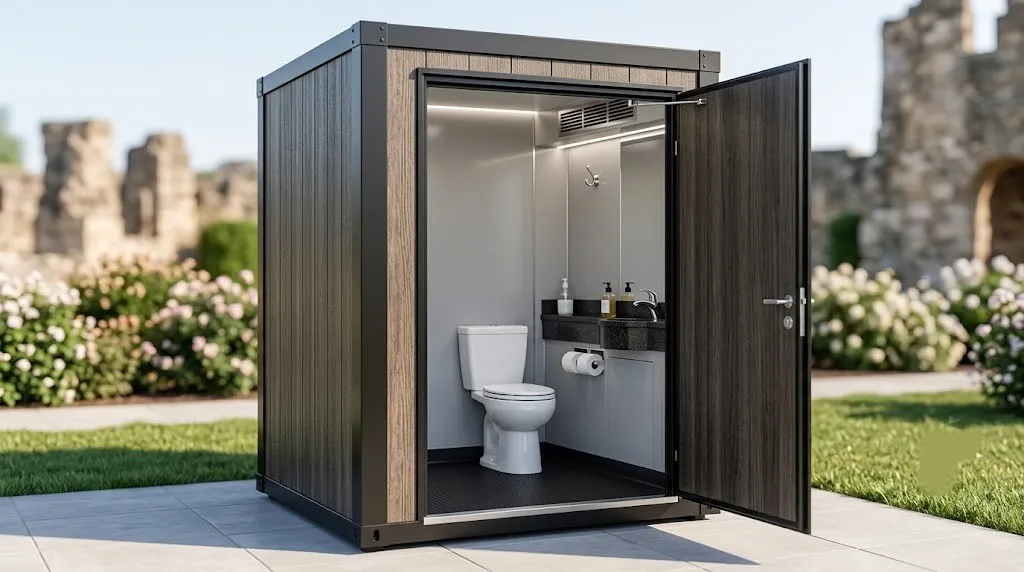
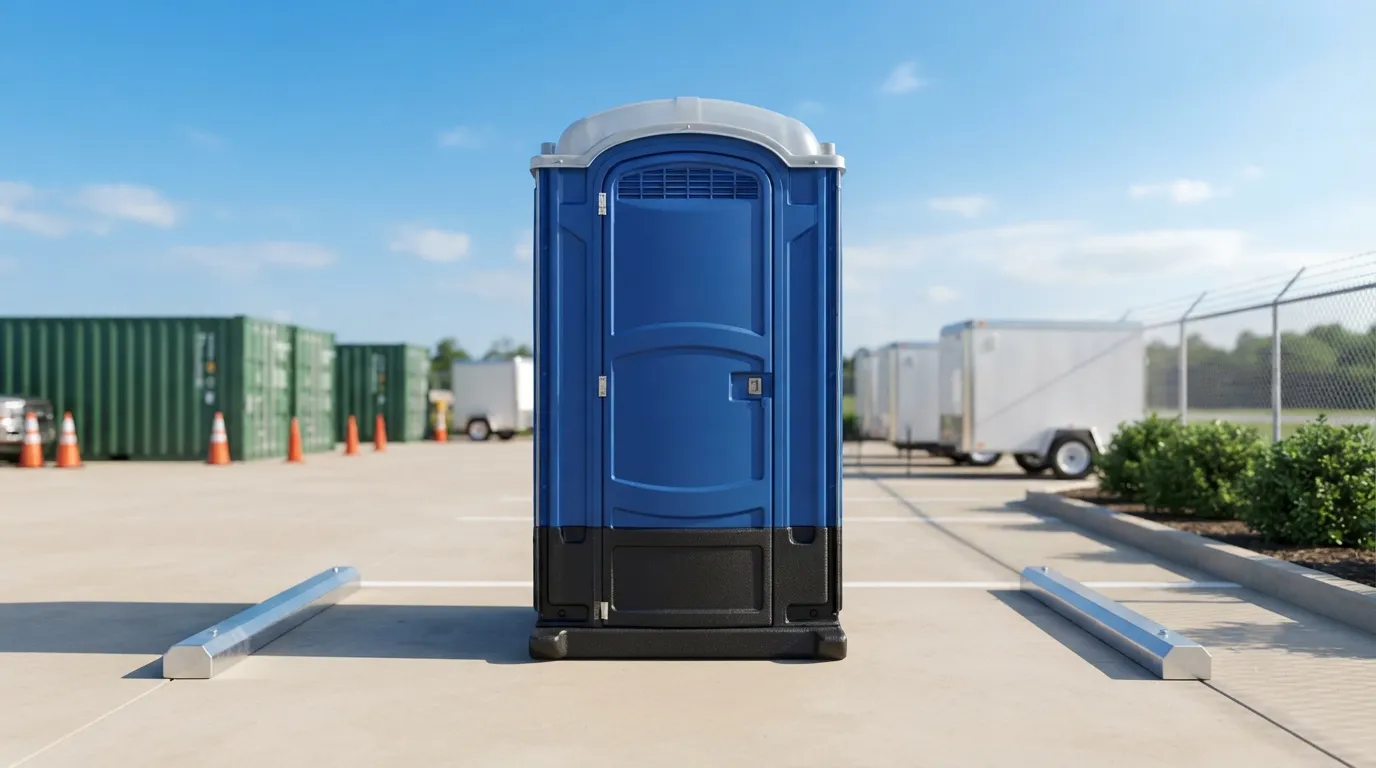
Standard porta potty
$125 to $250 a weekend
Milwaukee, WI
Slow drains, gurgling pipes, standing water over the drain field, and a sewage smell near the tank are the four signs that mean call someone now. A residential septic tank is typically pumped every 3 to 5 years, and most failures start showing symptoms weeks before the tank actually backs up. If you are still deciding what kind of system fits your property, septic pumping service and portable restroom rental are the two most common starting points.
Start with the drains. If every sink and tub in the house is slow at the same time, that is not a clogged trap, that is a tank problem. Gurgling in the pipes after a flush is air trying to escape a system that is too full to breathe. Standing water or a soggy patch over the drain field, especially one that stays wet after Milwaukee dry stretches, means effluent is surfacing instead of draining down. A sewage odor near the tank lid or in the yard is the most obvious sign and the one people wait too long to report. Milwaukee homeowners on private septic tend to be on the edges of the city or in the surrounding townships rather than downtown, and those systems see more seasonal stress from spring thaw and heavy rain, the same stress that drives demand for emergency porta potty rental when a bathroom goes offline mid-repair. If you are noticing two or more of these at once, treat it as urgent and look at emergency septic service rather than waiting for a scheduled visit. A septic tank pumping cost estimate is worth getting even if you are not sure yet, because catching it early is cheaper than a failed drain field.
Every 3 to 5 years for a typical residential tank, though household size and tank size both push that window shorter or longer. A house that added a bathroom or gained more people living in it should move toward the 3 year end. For the specifics on your situation, how often to pump a septic tank covers the sizing math in more depth, and septic tank warning signs pairs well with a look at how many porta potties do i need if you are also managing a renovation crew on site. Businesses are a different story: Wisconsin regulates septage service as its own category, and the Wisconsin Department of Natural Resources requires anyone who pumps or disposes of septage, a term that explicitly covers portable restrooms, septic tanks, holding tanks, and grease interceptors, to hold a license under ch. NR 113 of the Wisconsin Administrative Code. The people doing the actual pumping have to be certified under ch. NR 114, as an operator-in-training, certified septage operator, or master operator, and a business needs a certified operator-in-charge before the state issues its license. That licensing structure exists because septage disposal is a public health issue, not just a plumbing one, and it applies just as much to a storage container rental site running a holding tank as it does to a house. If your property runs a grease interceptor instead of or alongside a septic tank, grease trap pumping follows a different signal: a grease interceptor gets pumped once fats, oils, grease and solids reach 25 percent of the liquid depth, not on a calendar.
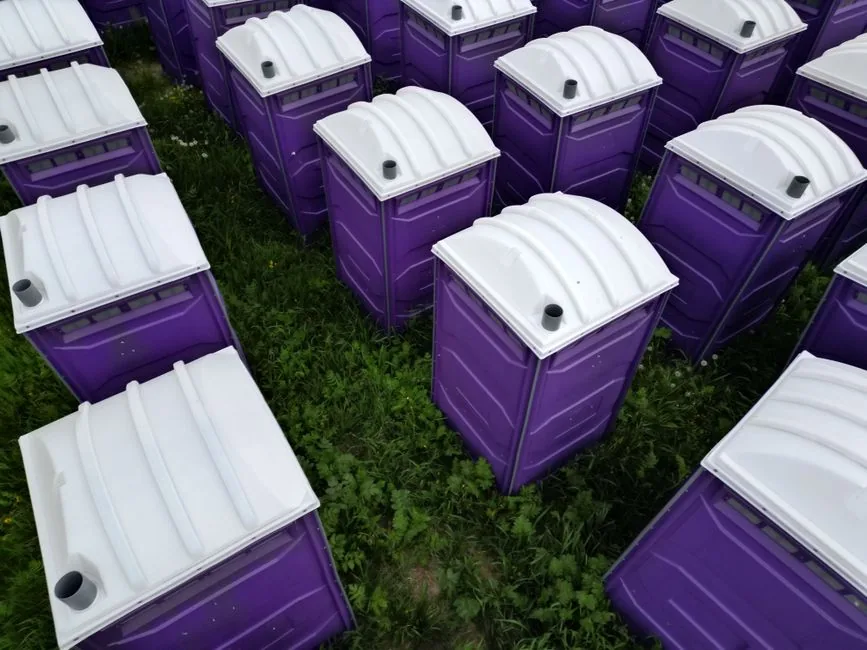
Rarely completely without warning, but the early signs are easy to miss if nobody is looking for them. A tank nearing capacity will usually show slow drains and odor for days or weeks before a full backup, much like a poorly serviced unit from a porta john rental will show odor before it overflows. What catches Milwaukee homeowners off guard is winter: frozen ground can mask a saturated drain field, then a spring thaw or a heavy rain event reveals the problem all at once. Milwaukee's climate runs about 34.76 inches of precipitation a year with roughly 69.1 days seeing at least a tenth of an inch of rain, and 125.5 days a year drop to freezing or below, so the ground here spends a lot of the year either soaked or frozen solid. Both conditions stress a marginal system, which is worth remembering if you are also planning porta potty in winter service for a job site. If a tank does fail outright, a temporary fix while the tank gets serviced or replaced is a holding tank rental, which buys time without putting the household on portable toilets. For anyone building or renovating and unsure what they need in the meantime, septic tank cleaning and routine septic pumping service both fall under the same licensed process described above, and a home renovation porta potty can cover the gap while the yard is torn up.
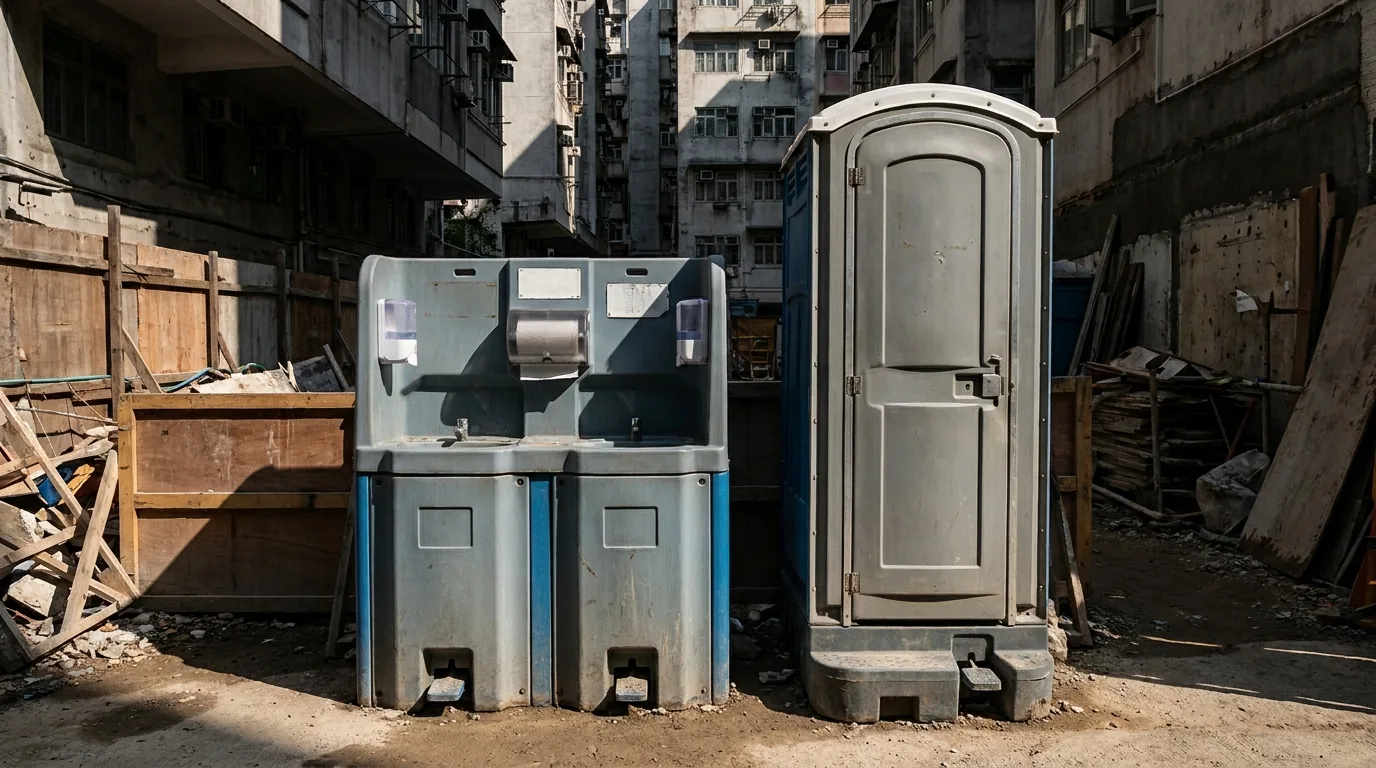
Yes. A home septic system fails slowly and shows up as smell, slow drains, or wet ground. A job site with a temporary holding tank or portable restrooms fails differently, usually as a service interval getting missed rather than a mechanical breakdown. ANSI/PSAI Z4.3, the portable sanitation service standard, sets a baseline of one service visit per week for up to 10 users over a 40 hour week, and a site that is short on that schedule will show odor and fill-level warning signs fast. Construction crews juggling portable toilet rental alongside a roll-off dumpster rental, a temporary fence rental, and even a light tower rental for early hours should build servicing into the site plan from day one rather than reacting to complaints, following the same standards laid out in osha portable toilet requirements. For crews working sites 7 to 15 miles out, like toward Wauwatosa at 3.8 miles or West Allis at 7.0 miles, factor drive time into your service schedule so a route delay does not turn into a missed pump-out. Milwaukee Porta Pros treats the two problems, home septic and job site sanitation, as related but separate services with separate warning signs to watch, and covers both under construction site services and porta potty rental in Milwaukee.
A day rate for septic pumping typically runs 150 to 300 dollars, with a lighter weekend service call running 50 to 150 dollars. Actual cost depends on tank size, access, and how much waste has built up. See septic tank pumping cost for the full breakdown by scenario.
Ignoring slow drains or yard odor usually ends in a backup into the house or a saturated drain field that needs full replacement. Both cost more than a pump-out. Milwaukee Porta Pros recommends calling at the first gurgle, not the first flood.
Yes, and it is the most common short-term fix. A holding tank rental or standard unit keeps the household functional during repairs. Rentals run from a single day up through a full month depending on how long the repair takes.
They can be. Frozen ground hides a struggling drain field, and Milwaukee sees 125.5 days a year at or below freezing. Problems that built up over winter often surface hard during spring thaw, so a fall inspection is worth scheduling ahead.
Wisconsin requires septage businesses to hold a license under ch. NR 113 and staff certified under ch. NR 114 through the Wisconsin DNR. Always confirm a provider's certification before hiring, since this covers septic tanks, holding tanks, and grease interceptors alike.
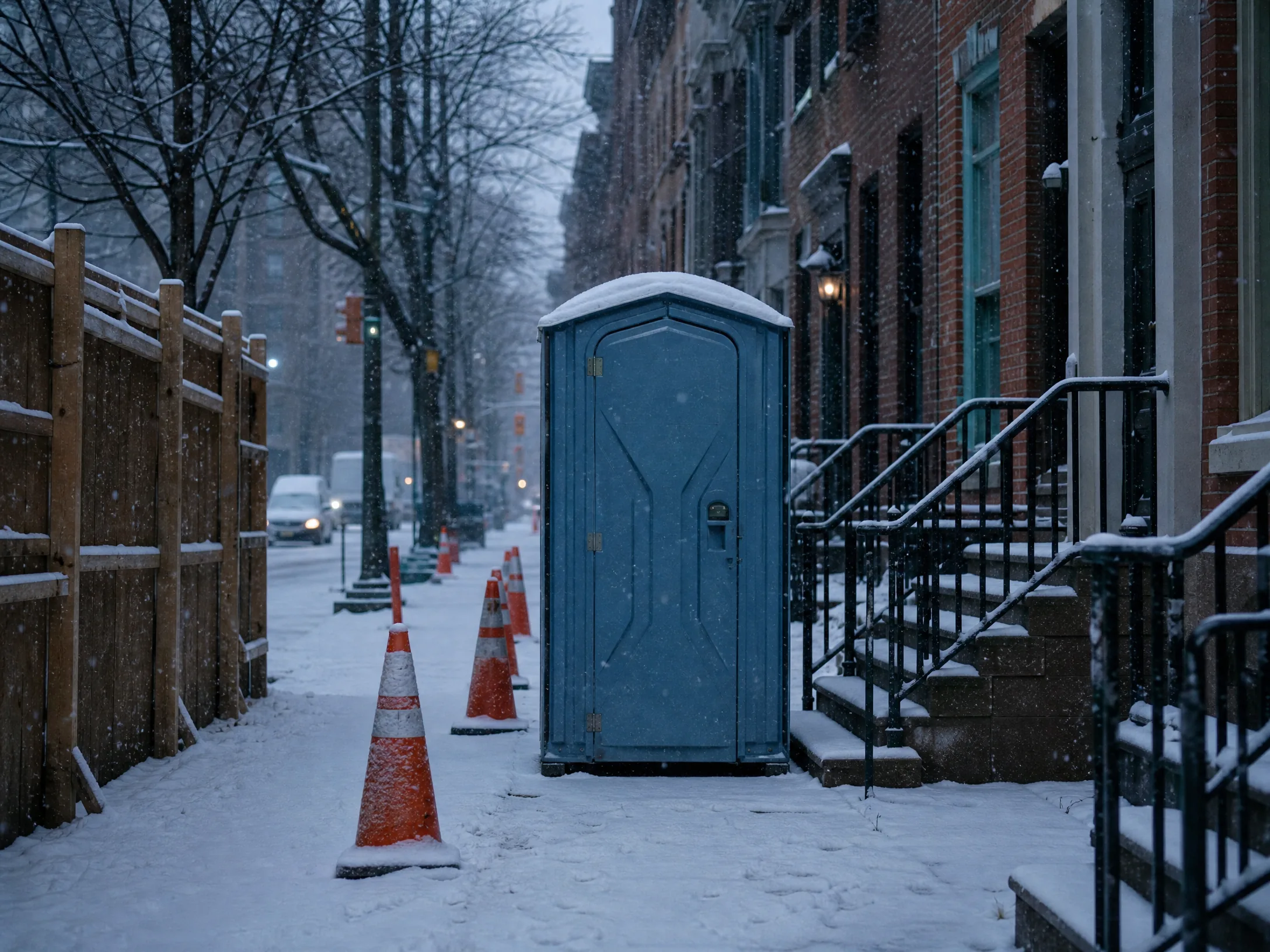
What we rent
Typical Milwaukee ranges, not a quote. Delivery is $50 to $150 and a weekly service visit $30 to $60. See the full cost breakdown.
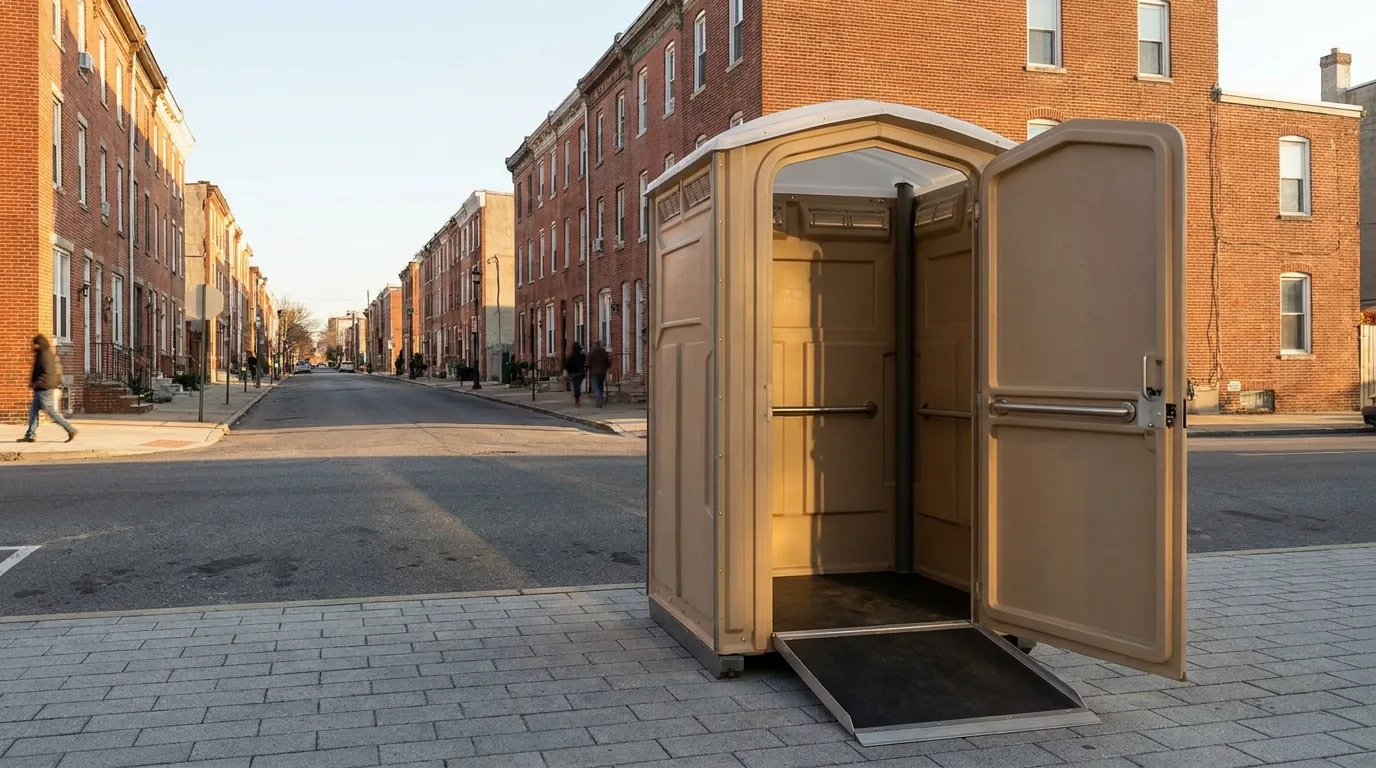
$125 to $250 a weekend
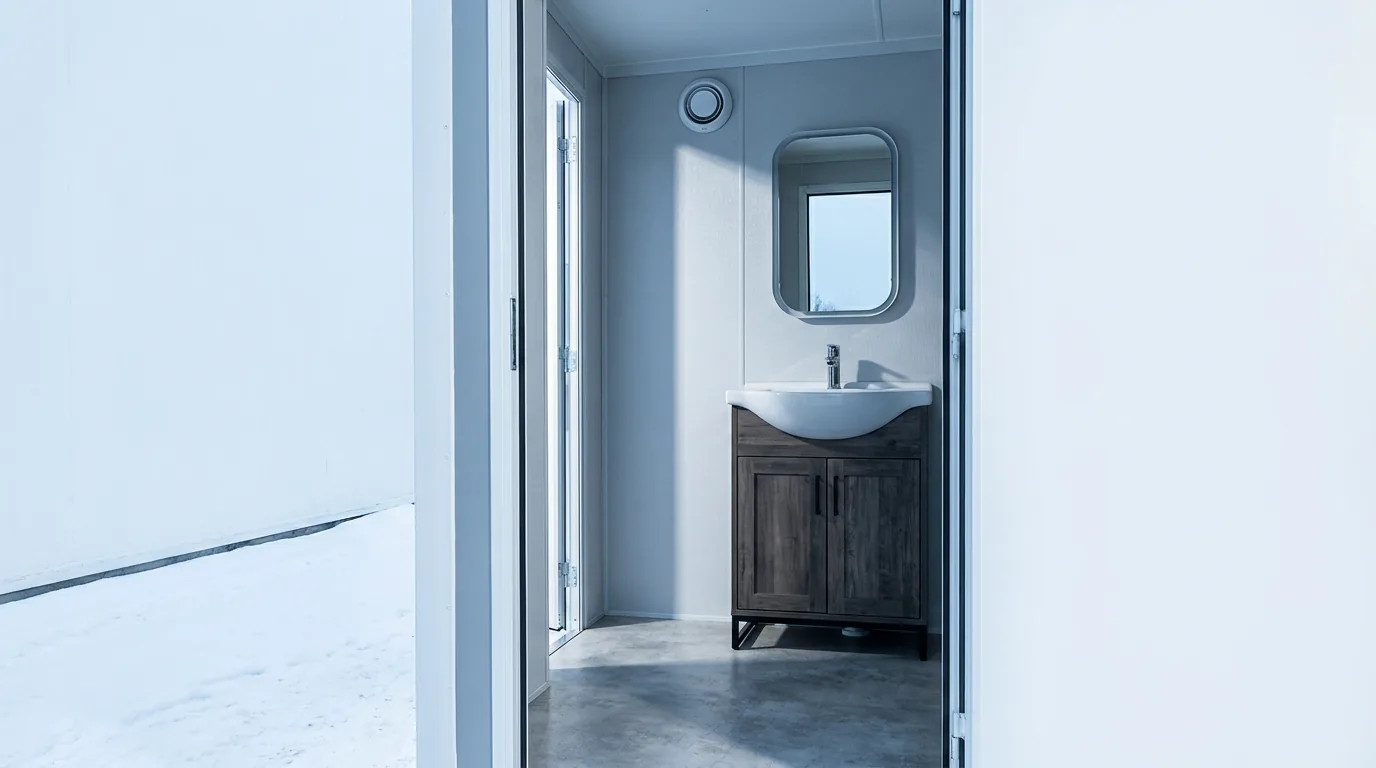
$200 to $350 a weekend
$199 to $300 a weekend
Quoted by stall count
The rest of the yard
We deliver across Milwaukee County and the surrounding metro:
Next step
Tell us the address, the dates and the headcount. We size the order and confirm the route.