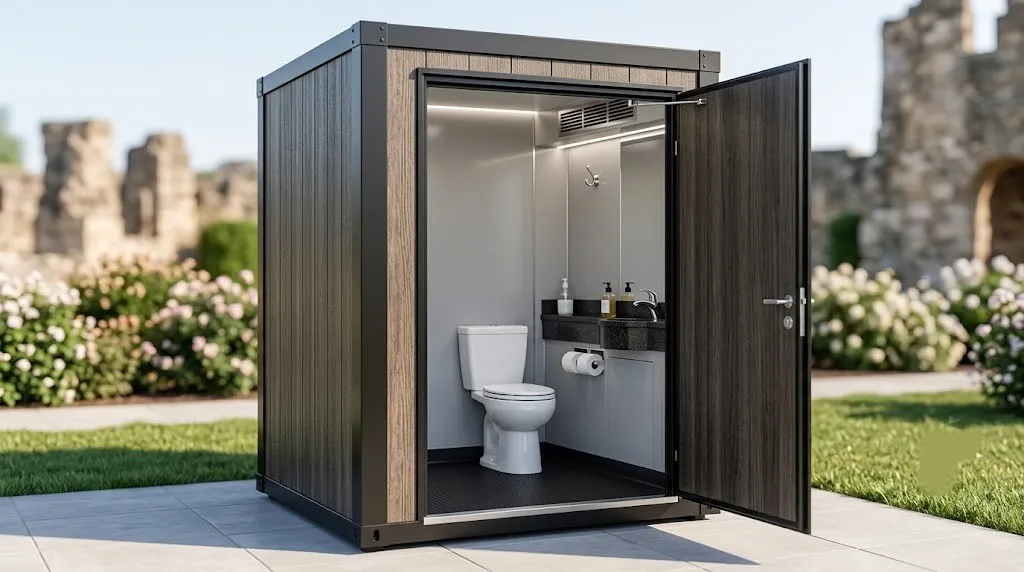
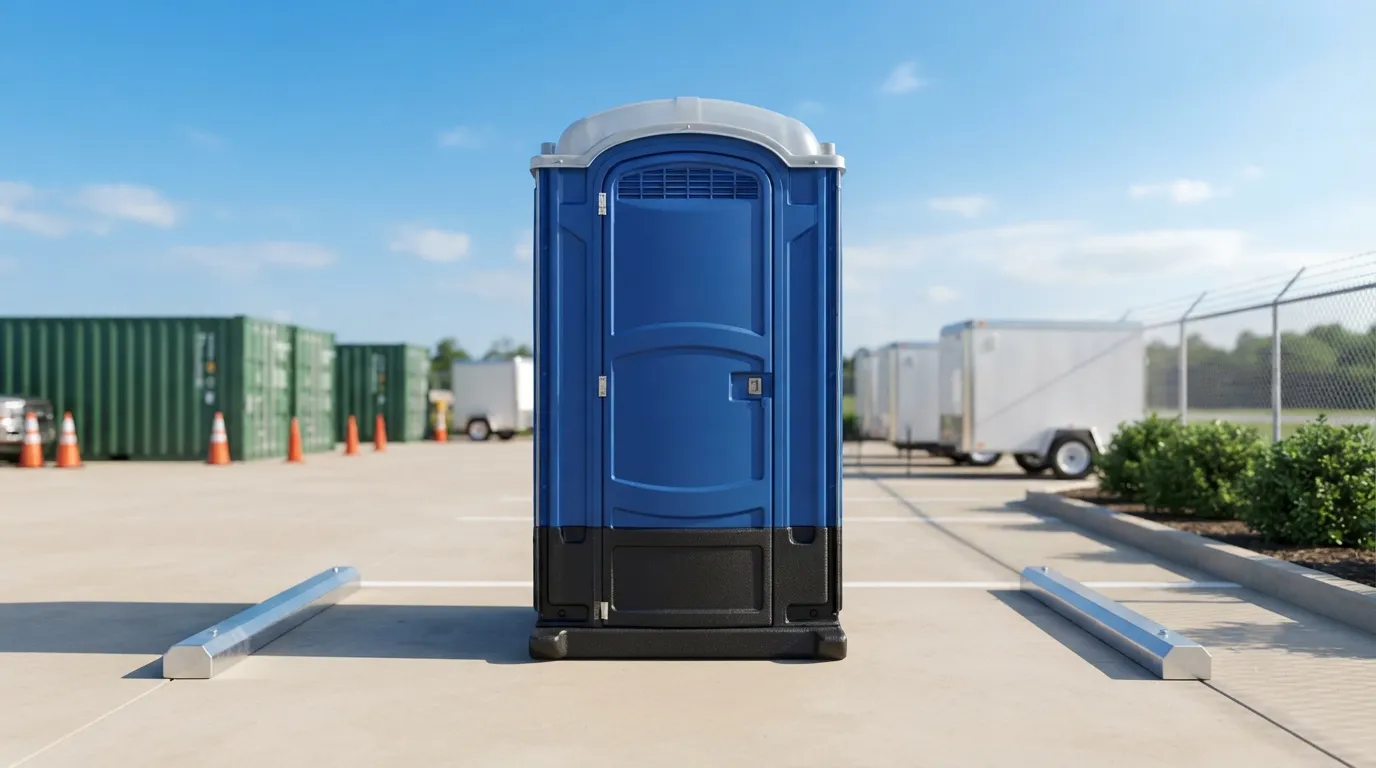
Standard porta potty
$125 to $250 a weekend
Milwaukee, WI
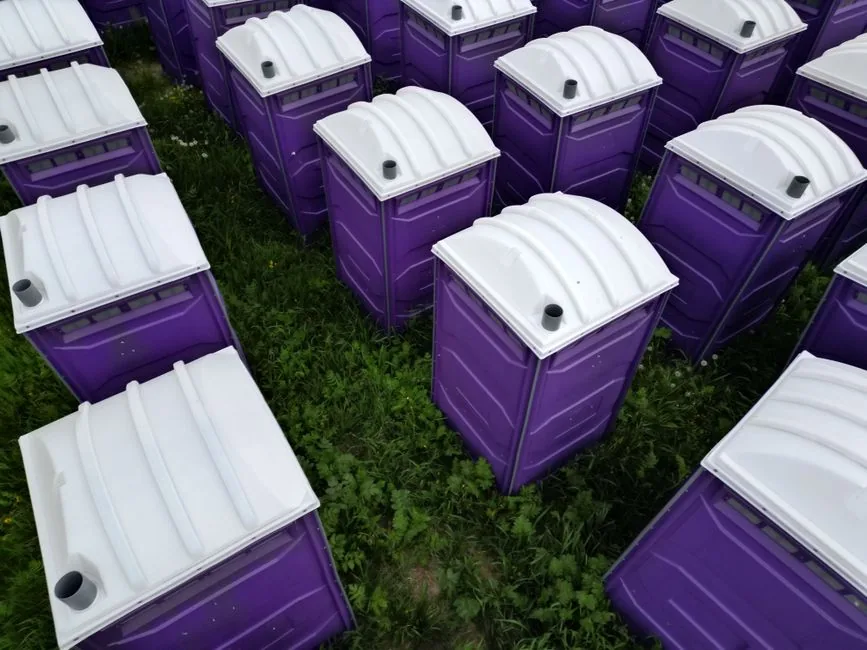
Race weekend runs on a schedule and a portico of porta potties along the corral. For a 5,000-runner course, plan on roughly one standard unit per 200 to 300 participants plus a bank at the start and finish, priced at a standard event rate of 200 to 800 dollars per unit depending on count and duration. Milwaukee Porta Pros builds the layout around your course map, not a guess.
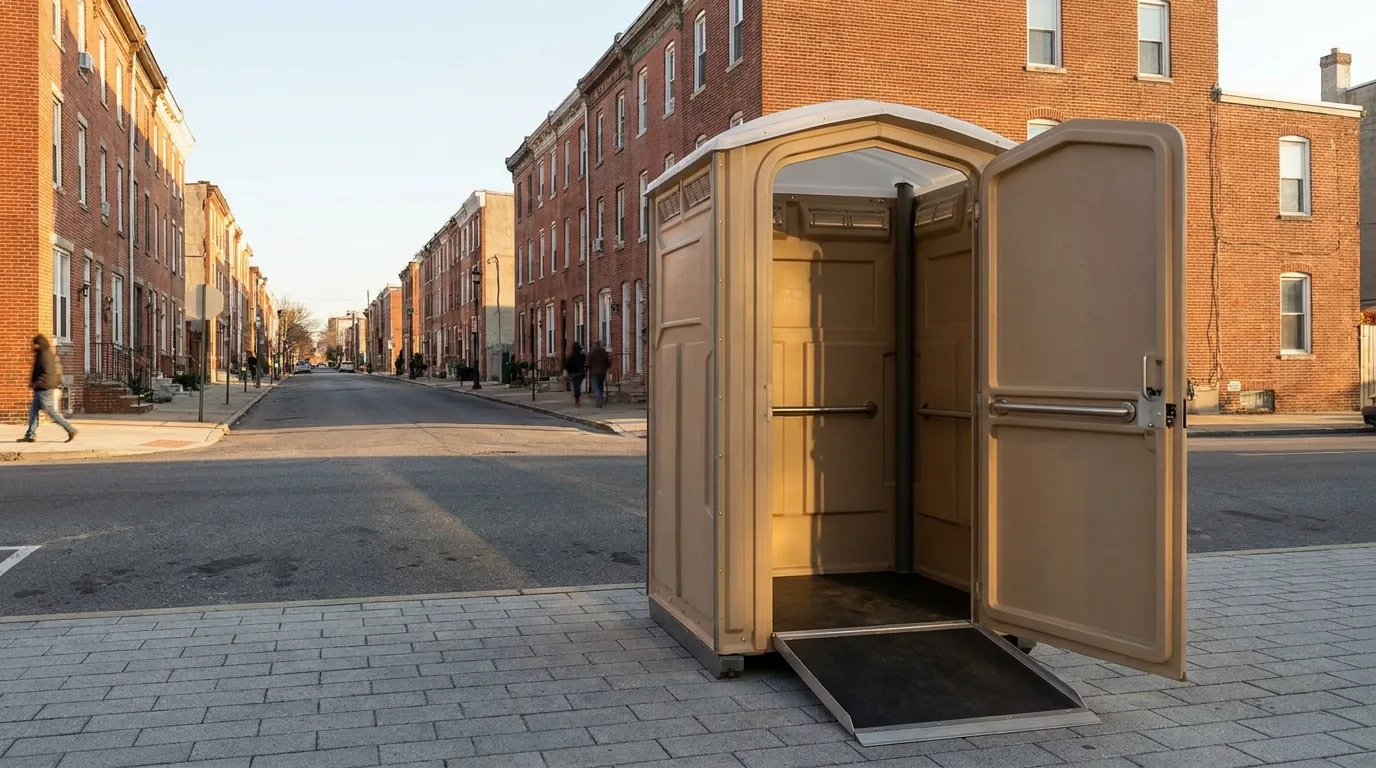
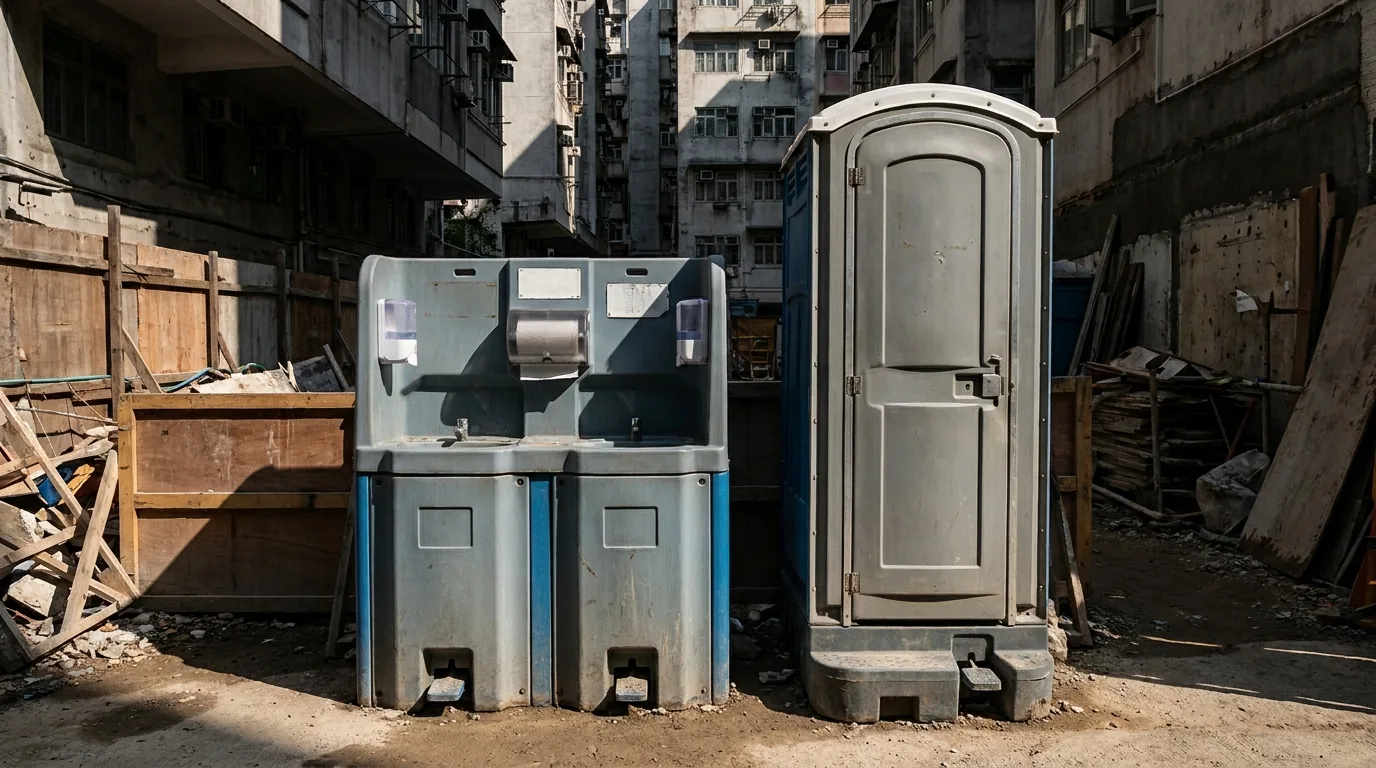
Start with the corral, not the finish line. A staging area holding runners for 30 minutes before the gun needs more units per capita than a course with rolling starts, because everyone is standing still and drinking water at once. How many porta potties do I need walks through the math, but the short version: cluster units at the start, thin them along mile markers with low-flow spectator crowds, then double back up at the finish chute where finishers and spectators overlap for hours. OSHA 1926.51(c) sets ratios for fixed work crews, not spectator events, but race organizers use it as a floor and build up from there. A standard unit runs 100 to 350 dollars a day depending on service level, and weekend races in Milwaukee typically land in the 125 to 400 dollar range per unit for the full weekend block. If your race draws a wheelchair division or adaptive athletes, at least one accessible unit is required under ADA Standards section 213.2, which mandates 5 percent of a cluster be accessible with never fewer than one. Add a handwashing station near any fueling table, since sticky gel packets and energy chews leave hands a mess that hand sanitizer alone will not fix under 29 CFR 1910.141(d)(2), which requires soap and a drying method, not sanitizer.
A finish line festival needs more than restrooms. Vendors need power, barriers need to hold back a crowd, and trash needs somewhere to go besides the curb. Milwaukee Porta Pros sets up light towers for early starts before sunrise and temporary power poles for timing tents, PA systems and vendor booths, typically a 200 amp service depending on load. Knowing how to brace a temporary power pole matters more than people think: if you're staging a pole near a curb cut or gravel lot, brace it the same way you'd brace scaffolding, with a properly set base plate, guy wires anchored at three points minimum and run at roughly 45 degrees to the pole, and clearance so a gust off Lake Michigan doesn't tip it into the crowd. Check the pole is plumb and the guy wires are tensioned evenly before the timing crew plugs in, and never run a temporary power pole without GFCI protection per OSHA 1926.404(b)(1)(ii). For crowd control along the chute, crowd control barrier rental keeps spectators off the course, and temporary fence rental at 30 to 75 dollars a day secures the festival footprint overnight. Debris piles up fast once the water stations get trampled; a roll-off dumpster at the finish festival, priced from 51 dollars a day up through a weekly rate of 426 to 778 dollars, keeps cups and gel wrappers from blowing into Wauwatosa 3.8 miles west or spreading past the course boundary. Larger festivals sometimes need a 20 yard dumpster for the vendor breakdown alone.
Placement in the public right of way in Milwaukee needs confirming with the city before race day, not assumed. Milwaukee Code of Ordinances Chapter 115 covers obstruction on public ways, and Chapter 116 and Chapter 245 also touch use of public thoroughfares and special privileges, but the exact permit name, issuing office and fee were not published in a form we could verify directly. Race organizers routing through closed streets or setting units on a sidewalk or median should confirm placement with the Department of Public Works well before the event, since course footprints often cross into areas that read differently than a private lot. See porta potty permit requirements and dumpster permit requirements for what's confirmed and what isn't. If your race draws runners from West Allis 7.0 miles southwest or Whitefish Bay 6.7 miles northeast, coordinate placement early since multi-municipality courses may mean more than one jurisdiction's rules apply along the route.
Book as soon as the course map and expected field size are set, ideally 60 to 90 days out. Race weekends compress delivery schedules across Milwaukee, and popular dates compete with other events for the same trucks. See porta potty rental checklist for a full timeline.
Yes. Most races put standard units at mile markers and a deluxe flushable unit or two near VIP or sponsor tents, running 85 to 1,200 dollars a day depending on tier and features.
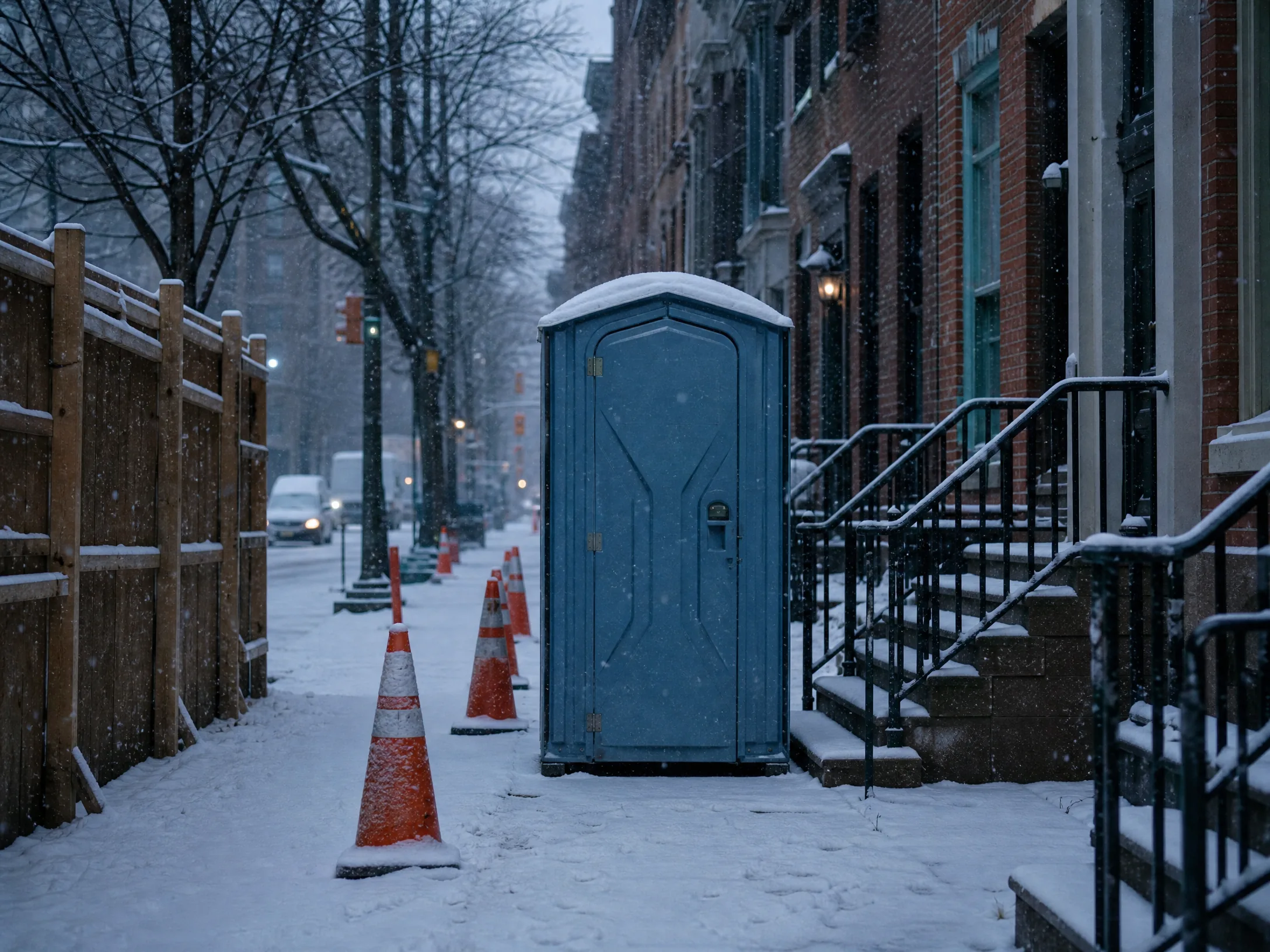
Cold-weather races need units serviced for freeze protection; see porta potty in winter for how tanks and chemicals are adjusted. Milwaukee averages a 15.6 F January low, so early spring races still need this planned.
Not usually. Water stops need less than start and finish areas; focus units where runners linger, like the corral and post-race festival. Festival restroom rental covers finish-line layouts in more depth.
Scale and duration mostly. A marathon spans hours and multiple neighborhoods, so units get serviced mid-event; a 5K wraps fast enough that one clean delivery covers it. Concert restroom rental and county fair restrooms show how other multi-hour events scale similarly.
What we rent
Typical Milwaukee ranges, not a quote. Delivery is $50 to $150 and a weekly service visit $30 to $60. See the full cost breakdown.
$125 to $250 a weekend
$200 to $350 a weekend
$199 to $300 a weekend
Quoted by stall count
The rest of the yard
We deliver across Milwaukee County and the surrounding metro:
Next step
Tell us the address, the dates and the headcount. We size the order and confirm the route.