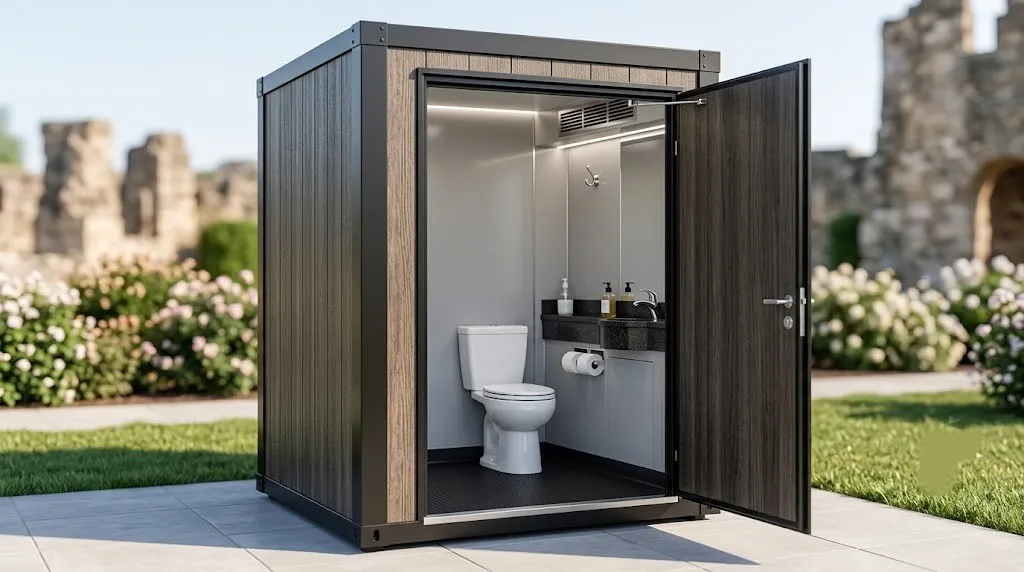
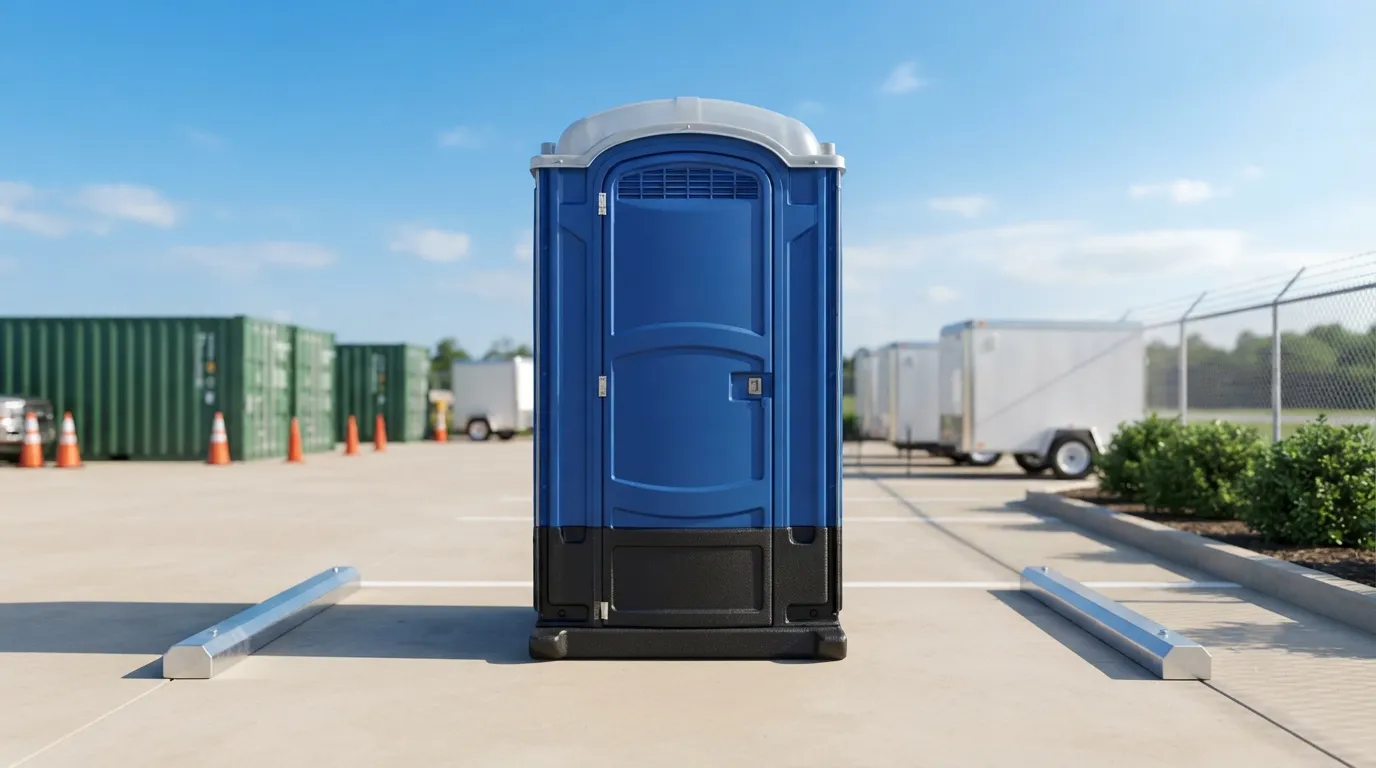
Standard porta potty
$125 to $250 a weekend
Milwaukee, WI
A broken tank, a burst line, a job that just added forty workers overnight: Milwaukee Porta Pros can get a standard unit to most Milwaukee sites same day, with delivery fees running $100 to $500 depending on distance and timing. Call before noon and you improve your odds.
Same-day delivery is the goal on every emergency call, and most Milwaukee requests get filled within hours, not days. Distance matters. A site in Wauwatosa, 3.8 miles west of downtown, moves faster than one out toward Oak Creek, 19.5 miles south. If you are choosing between a standard porta potty rental and something with more capacity, tell the dispatcher what happened: a failed septic line reads differently than a crew that doubled in size. Weekend and after-hours calls carry a premium, and our emergency septic service line runs the same priority system. Delivery trucks need roughly 60 feet of straight clearance to set a unit, so clear the curb or the lot before the truck shows up. If your emergency is a construction site that suddenly has no working facilities, OSHA 1926.51(c) still applies: one toilet for 20 workers or fewer, scaling up from there. We staff for that math daily, not just for scheduled jobs, and we can walk you through counts on the how many porta potties do I need page.
A collapsed septic system, a vandalized or overturned unit, a sudden inspection deadline, or a crew mobilized without adequate sanitation all qualify. So does a grease trap backing up mid-shift. Wisconsin DNR rules under NR 113 cover any business that services septage, and that category explicitly includes portable restrooms alongside septic tanks, holding tanks and grease interceptors, so the same licensed crews that handle routine septic pumping service calls are equipped for the emergency version. A grease interceptor typically needs pumping once fats, oils, grease and solids reach 25 percent of the liquid depth, and when that threshold hits without warning, our emergency grease trap pumping crews respond the same day where possible. Storm damage counts too. Milwaukee sees an average of 69.1 days a year with 0.10 inch or more of precipitation, and standing water around a unit or a septic access point is a legitimate emergency call, not something to wait out. If you need an emergency shower trailer after a disaster displaces a crew or a facility, that falls under the same rapid-dispatch process, and our disaster relief sanitation page covers what to expect.
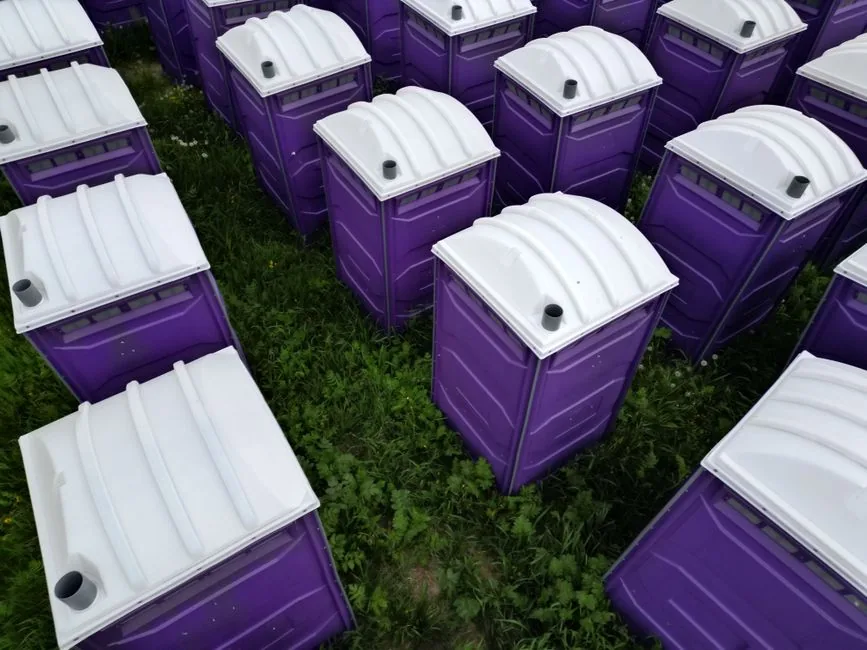
Yes, and it is handled by the same certified operators who run scheduled service. Wisconsin requires septage businesses to designate a certified operator-in-charge holding an active master operator license under NR 114 before the business is even licensed, and every emergency pump-out from Milwaukee Porta Pros goes through that same certified chain, not a shortcut crew. A residential tank is typically pumped every 3 to 5 years under normal conditions, but roots, heavy rain, or a cracked baffle can turn a routine interval into an emergency overnight. If you are searching "emergency septic pumping service near Texas" because you are coordinating a multi-state job or a relocated crew, note that Milwaukee Porta Pros dispatches locally in the Milwaukee metro; check our service areas page for exact coverage before you count on a same-day run. Locally, we serve sites from Mequon, 11.8 miles north, down through Franklin, 14.2 miles south, and most points between. Our septic tank warning signs page lists what to watch for before the next backup becomes the emergency call.
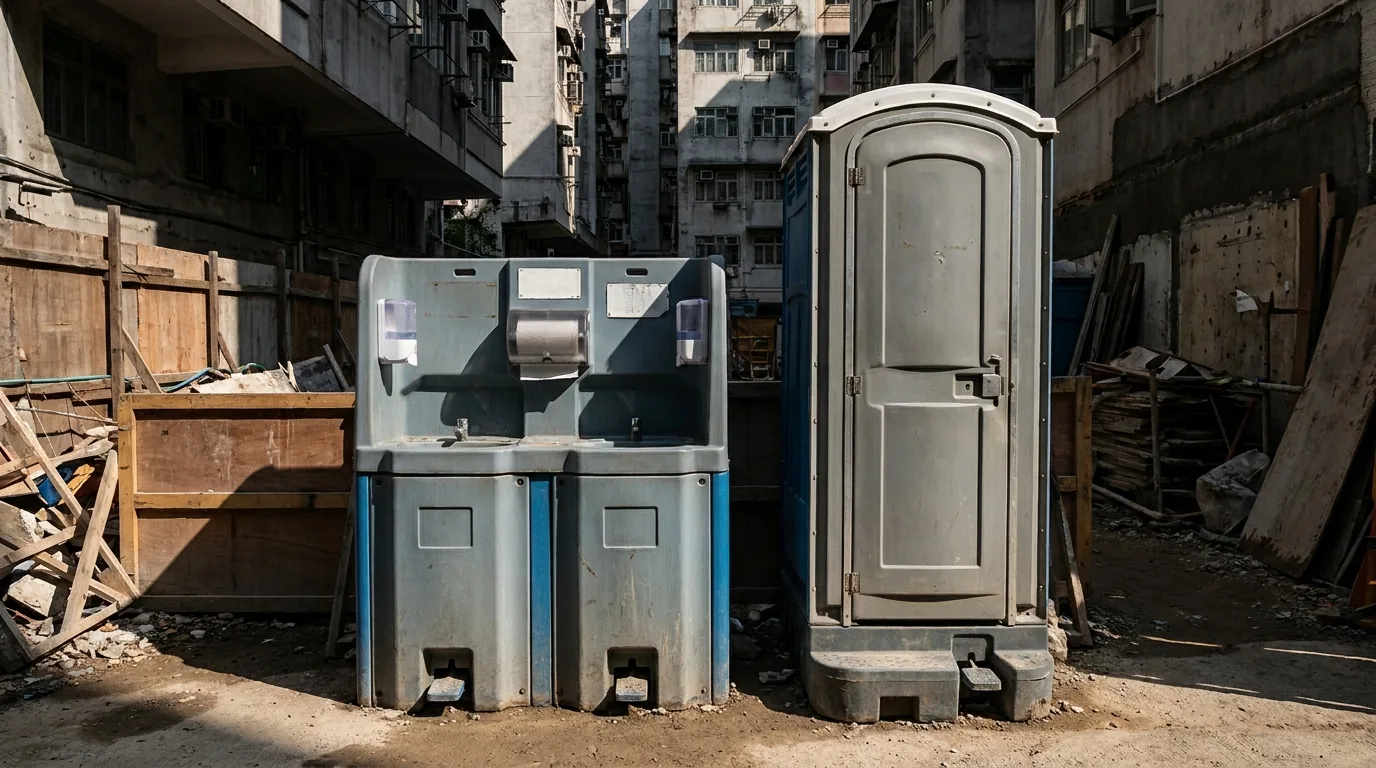
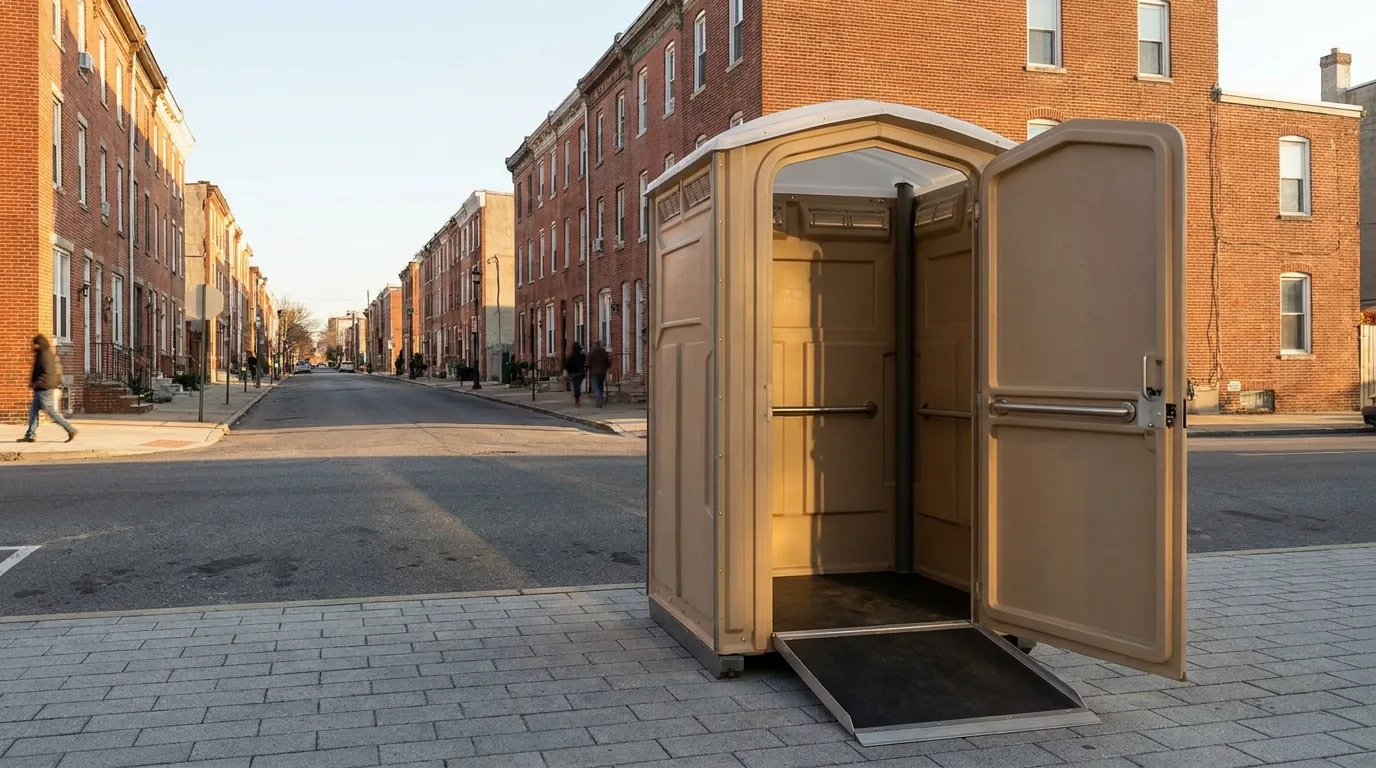
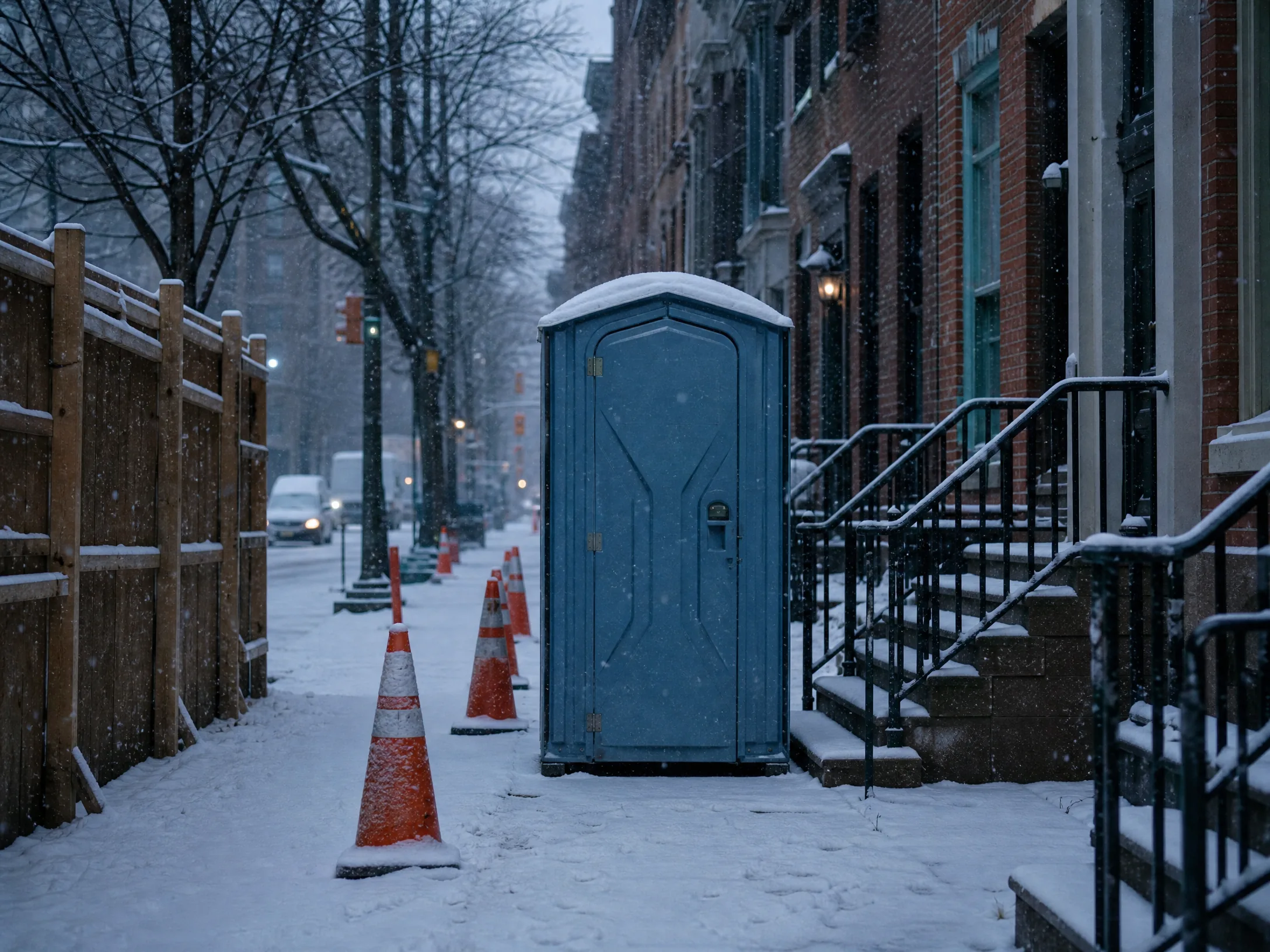
Placement on private property is usually straightforward; placement in the public right of way is where things slow down. Milwaukee Code of Ordinances Chapter 115 governs obstruction on public ways, and Chapter 245 covers encroachments and special privileges, but the exact permit name, fee, and issuing department for a Milwaukee right-of-way placement are not something we will guess at here. Confirm directly with the Department of Public Works before an emergency unit lands on a street or sidewalk. Setting a unit on a driveway, lot, or fenced yard sidesteps that question entirely, and most emergency calls resolve that way. If ADA access matters for your site, ADA Standards 213.2 requires that at least 5 percent of clustered single-user units be accessible, never fewer than one, and our ADA accessible porta potty units meet that standard even on rush orders. For winter emergencies, Milwaukee averages 125.5 days a year at or below 32 F, and a frozen unit is its own kind of emergency; see porta potty in winter for how we handle that. Fencing or barrier needs during an emergency cleanup can be handled through temporary fence rental, and debris from storm damage often needs a same-day roll-off dumpster rental alongside the restroom unit. For general placement planning outside an emergency, our porta potty placement guide and porta potty permit requirements pages go deeper.
| unit | duration | low | typical | high |
|---|---|---|---|---|
| standard | day | 100 | 150 | 350 |
| standard | weekend | 125 | 250 | 400 |
| delivery_fee | day | 100 | 150 | 500 |
| service_fee | weekend | 400 | 700 | 1200 |
Weekend emergency dispatch runs higher because it pulls a crew off schedule, not because the unit changes. If your emergency turns into a longer project, ask about switching to a porta potty rental per day rate or a monthly porta potty rental once things stabilize; full cost breakdowns live on porta potty rental cost.
Most Milwaukee emergency calls get same-day delivery, often within a few hours if the call comes in during business hours. Distance, weather, and truck routing all factor in. Rural or far-southern sites near Oak Creek can take longer than Wauwatosa or Whitefish Bay.
Yes. Weekend dispatch fees run higher than weekday rates because it pulls crews off their normal schedule. Expect the service fee to reflect that, separate from the unit rental itself. Call as early as possible for the best shot at same-day placement.
Call anyway. Wisconsin-licensed operators under NR 113 and NR 114 handle after-hours septic emergencies, and dispatch prioritizes active backups and health hazards. A failed system left overnight risks contaminating the surrounding soil and worsening the eventual cleanup cost.
Generally yes, mainly through the delivery or service fee rather than the unit price itself. A scheduled standard rental might run near the low end of the day rate; an emergency weekend call adds a dispatch premium on top.
Yes. OSHA 1926.51(c) sets toilet ratios by worker count, and a mid-project crew increase can put a site out of compliance fast. We add units same day where possible to keep the ratio correct without a shutdown.
What we rent
Typical Milwaukee ranges, not a quote. Delivery is $50 to $150 and a weekly service visit $30 to $60. See the full cost breakdown.
$125 to $250 a weekend
$200 to $350 a weekend
$199 to $300 a weekend
Quoted by stall count
The rest of the yard
We deliver across Milwaukee County and the surrounding metro:
Next step
Tell us the address, the dates and the headcount. We size the order and confirm the route.