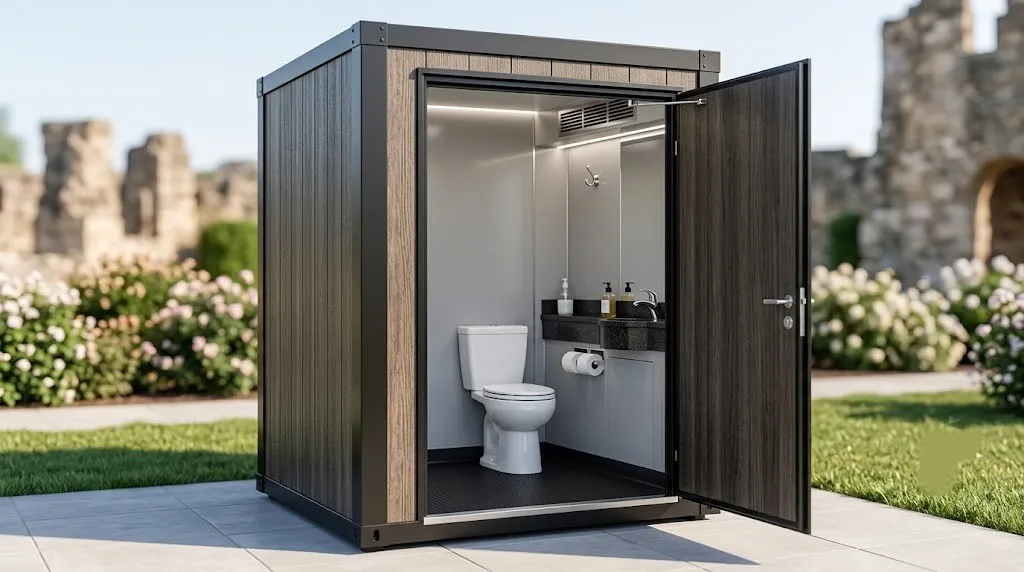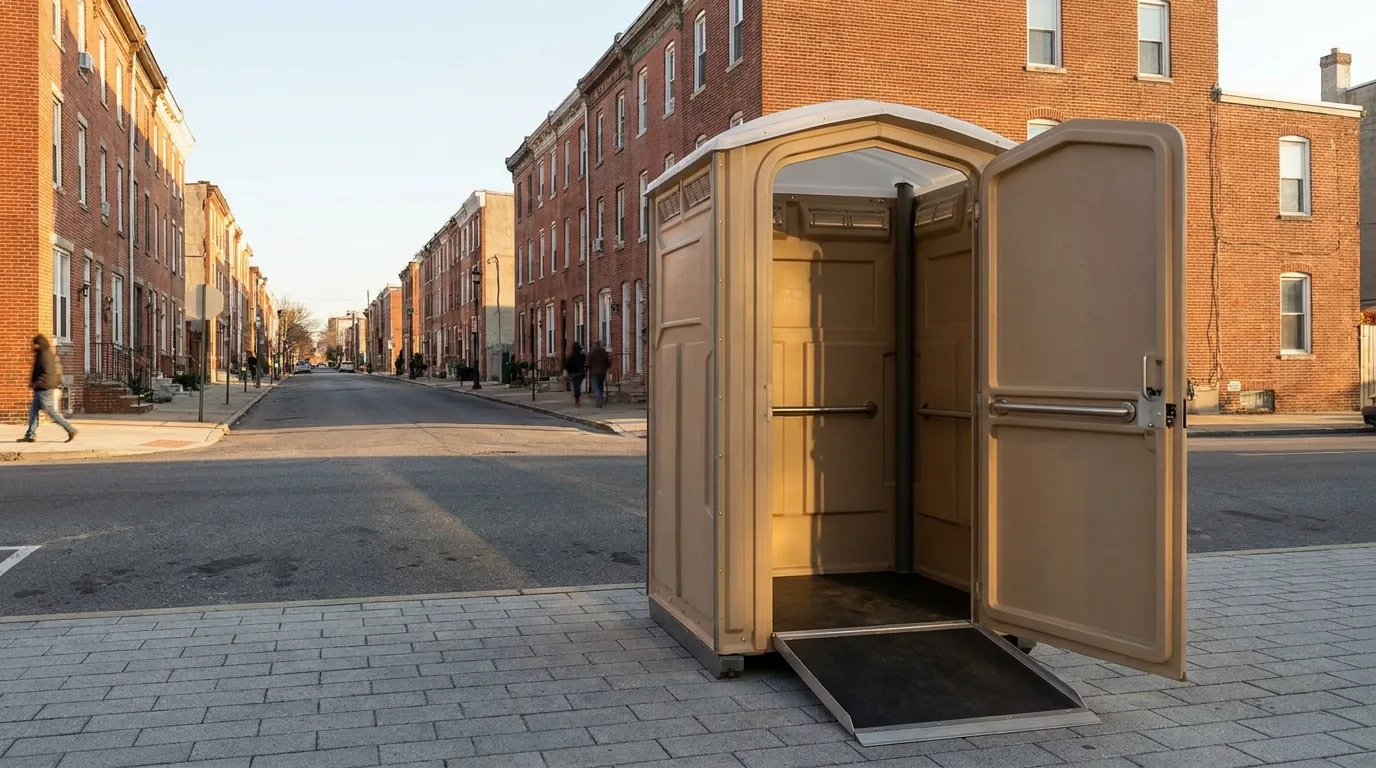
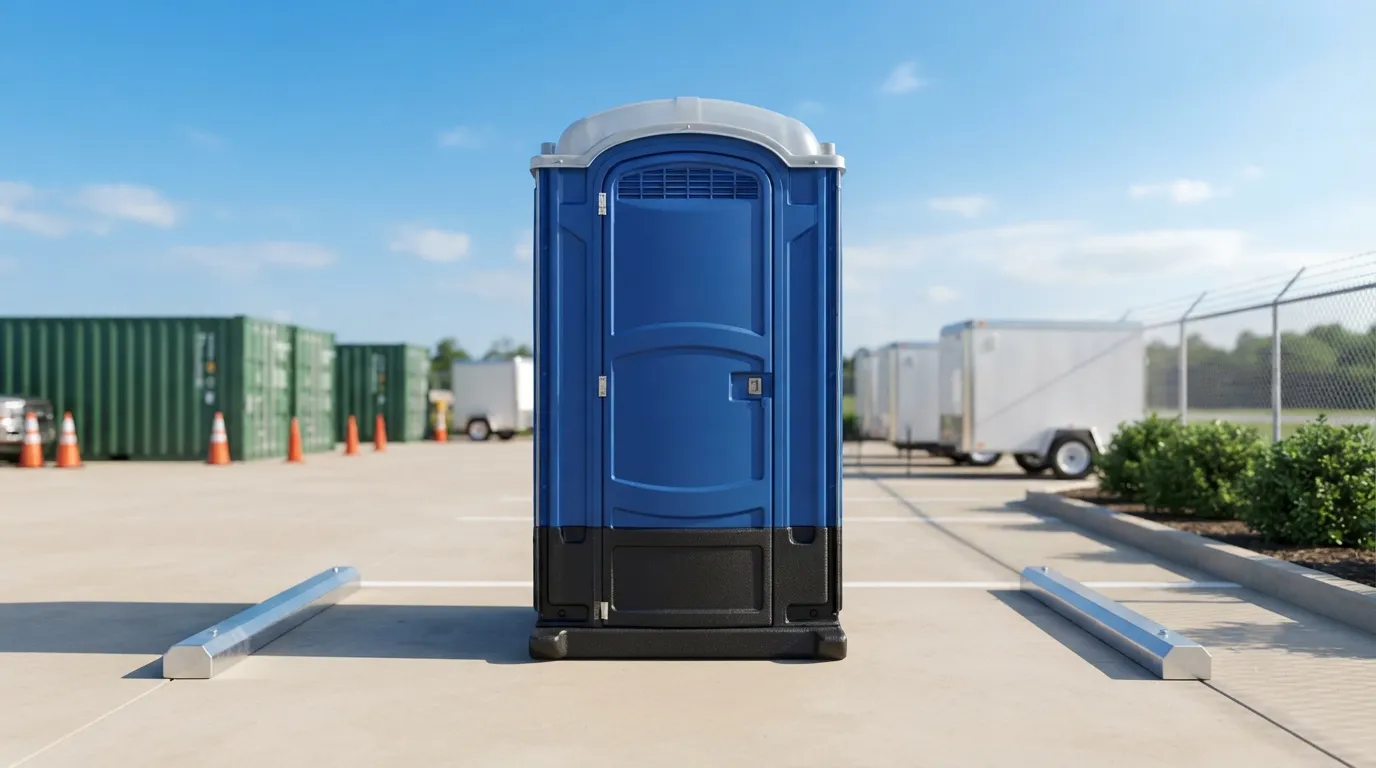
Standard porta potty
$125 to $250 a weekend
Milwaukee, WI
Septic tank pumping in Milwaukee runs $150 to $300 for a standard day-rate service call, based on measured pricing across the market. A weekend call costs more, in the $50 to $150 range for smaller add-on visits, but most homeowners book a straight daily-rate pump-out. Tank size, access and how long since the last cleaning all move the number.
Most Milwaukee homeowners pay somewhere in that $150 to $300 day-rate band for a routine pump-out, and that is the number to plan around before you call anyone. A 1,000 gallon septic tank pumping cost sits toward the middle of that range under normal conditions: easy riser access, no digging, no backed-up line to clear first. Costs push higher when the crew has to locate and uncover the tank lid, or when solids have built up past a normal service interval. If you are comparing this against other site sanitation costs, our porta potty rental cost page breaks down pricing for portable units the same way, and the septic tank pumping cost numbers here work the same way pricing does across our septic pumping service line generally. Homeowners in Wauwatosa, about 3.8 miles west of Milwaukee, and Whitefish Bay, 6.7 miles northeast, see the same day-rate band, since pricing is driven by tank condition more than zip code.
Access is the biggest swing factor. A tank with an exposed riser costs less to service than one buried under a deck or a foot of soil, because digging adds labor time before the truck even starts pumping. Household size and tank size matter too: a typical residential septic tank gets pumped every 3 to 5 years, and that interval is driven by tank size and household size, not a fixed calendar date. Skip a cycle or two and you are paying for a harder job, sometimes with septic tank warning signs like slow drains or wet spots in the yard showing up first. Homes in Franklin, 14.2 miles south of Milwaukee, and New Berlin, 14.6 miles southwest, tend to run on well-and-septic systems more often than homes closer to the city core, so pumping frequency questions come up a lot out there. If your tank has never been located or mapped, that first visit costs more simply because the crew has to find it. Commercial kitchens are a different animal entirely: a grease interceptor gets pumped once fats, oils, grease and solids reach 25 percent of the liquid depth, which is a completely separate service from residential tank pumping. See grease trap pumping for that side of the business.
A standard visit includes locating the tank if needed, opening the lid, pumping the contents, and a basic check of tank condition. It does not automatically include repairs, riser installation or hauling away large debris that got dumped down a drain. If a job turns into a bigger cleaning, septic tank cleaning covers what that heavier service looks like and how it differs from a routine pump-out. Every septage business operating in Wisconsin, and that explicitly includes portable restroom servicing, septic tanks, holding tanks, grease interceptors and privies, has to be licensed under ch. NR 113 of the Wisconsin Administrative Code, with the servicing technician certified under ch. NR 114 as an operator-in-training, certified septage operator or master operator. That licensing structure exists because septage disposal is regulated at the state level by the Wisconsin DNR, and it is worth asking any company you call whether their crew carries that certification. If your property runs a holding tank instead of a conventional septic system, pricing and service intervals work differently; holding tank rental covers that setup separately. For emergencies, backups on a Friday night do not wait for Monday, and emergency septic service exists for exactly that situation.
Every 3 to 5 years is the standard baseline for a typical residential tank, driven by household size and tank capacity rather than a fixed date on the calendar. A larger household producing more wastewater fills solids faster than a couple living alone, so two houses with identical tanks can need different intervals. Our how often to pump a septic tank page walks through how to estimate your own interval based on tank size and occupancy. Waiting too long past that window is what turns a routine pump into an expensive one, since solids compact and the process takes longer. Homeowners in Mequon, 11.8 miles north of Milwaukee, and Menomonee Falls, 11.7 miles northwest, often have larger lots with older septic infrastructure, and those systems benefit from staying on schedule rather than waiting for septic tank warning signs to force the issue. If you are not sure when your tank was last serviced, that uncertainty itself is a reason to schedule a check now rather than guess.
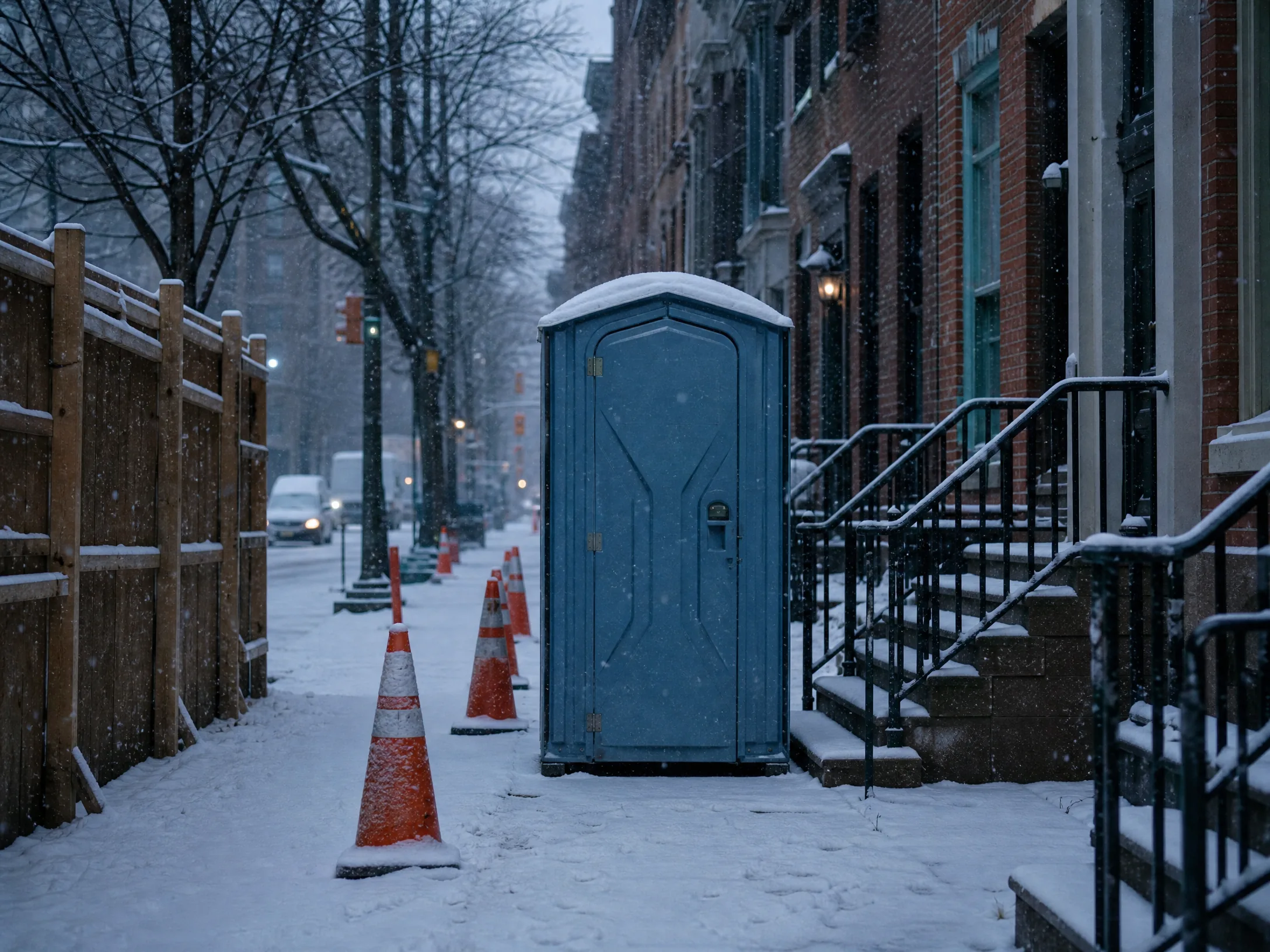
Septic pumping is a one-time service call, priced by the job, while portable sanitation rentals are priced by duration. A standard porta potty runs in the $100 to $350 day-rate range and scales down per day the longer you rent, which is a different pricing logic entirely from a septic pump-out.
| Service | Typical Range | Basis |
|---|---|---|
| Septic pumping (day rate) | $150 - $300 | per service call |
| Septic pumping (weekend add-on) | $50 - $150 | per service call |
| Standard porta potty | $100 - $350 | per day |
| Standard porta potty | $130 - $500 | per week |
If you are running a construction site or hosting an event and need both, construction site services and event restroom rental bundle sanitation planning together. For OSHA-driven toilet counts on a jobsite, 1926.51(c)(1) sets the ratio at one toilet facility per 20 workers or fewer, scaling up from there, and our OSHA portable toilet requirements page covers that in full. Milwaukee Porta Pros handles both septic pumping and portable rentals, so a single call covers either need.
Placement of equipment in the public right of way in Milwaukee needs confirming with the city; Chapter 115 of the Milwaukee Code of Ordinances covers obstruction on public ways, but the exact permit name and fee are not published in a way we can confirm here. Most residential septic pumping happens entirely on private property and does not trigger this question.
Not directly, but Milwaukee's climate factors into scheduling. The city averages 34.76 inches of precipitation a year per NOAA, and saturated ground can make tank access slower in wet stretches, which occasionally adds time to a job.
Larger tanks cost more simply because there is more volume to pump. Our day-rate band of $150 to $300 covers most standard residential tanks; unusually large or commercial tanks fall outside that range and need a site look first.
Pricing is fairly consistent across Milwaukee and nearby towns like Oak Creek, 19.5 miles south, since access and tank condition drive cost more than location. Request a quote through request a quote for a number specific to your property.
Yes, a temporary rental can bridge a gap while septic repairs happen. Emergency porta potty rental and portable toilet rental both cover short-term placement during repair windows.
What we rent
Typical Milwaukee ranges, not a quote. Delivery is $50 to $150 and a weekly service visit $30 to $60. See the full cost breakdown.
$125 to $250 a weekend
$200 to $350 a weekend
$199 to $300 a weekend
Quoted by stall count
The rest of the yard
We deliver across Milwaukee County and the surrounding metro:
Next step
Tell us the address, the dates and the headcount. We size the order and confirm the route.