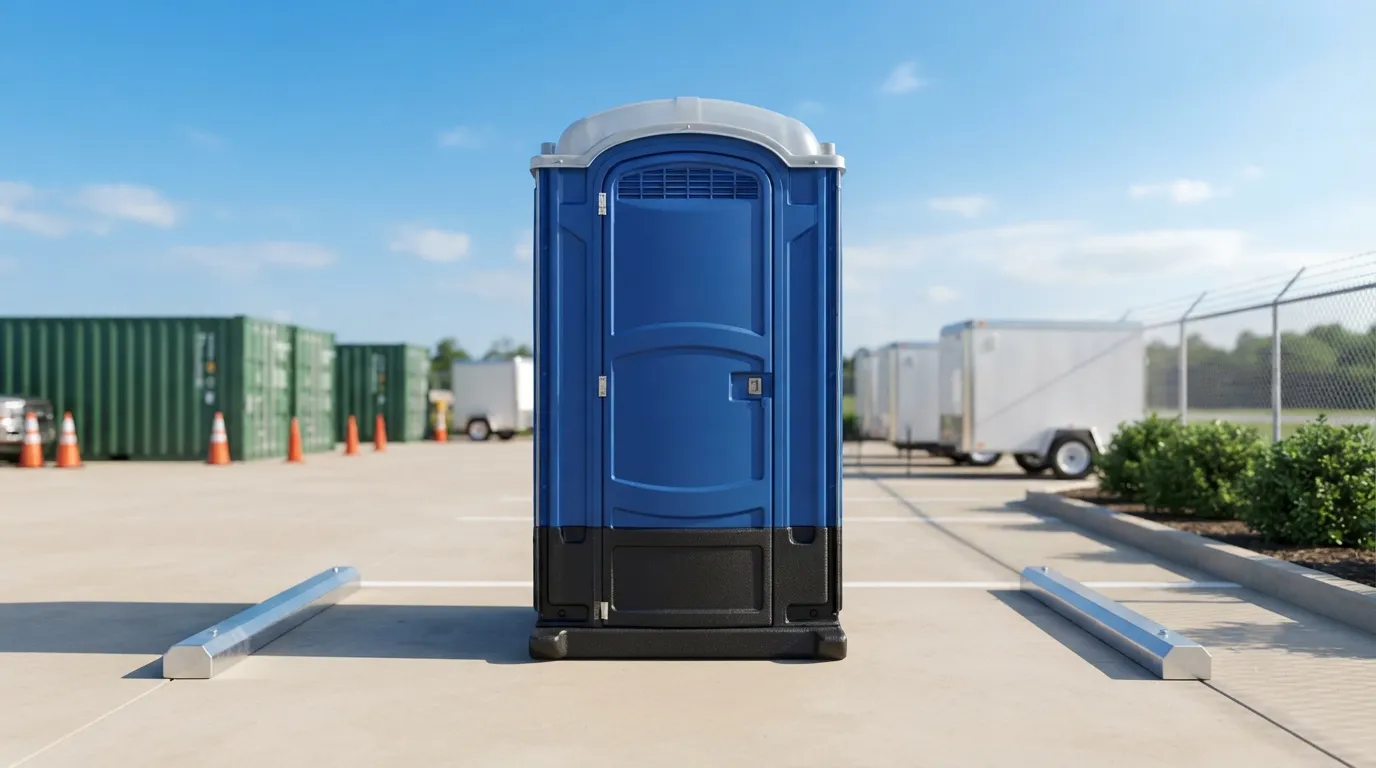
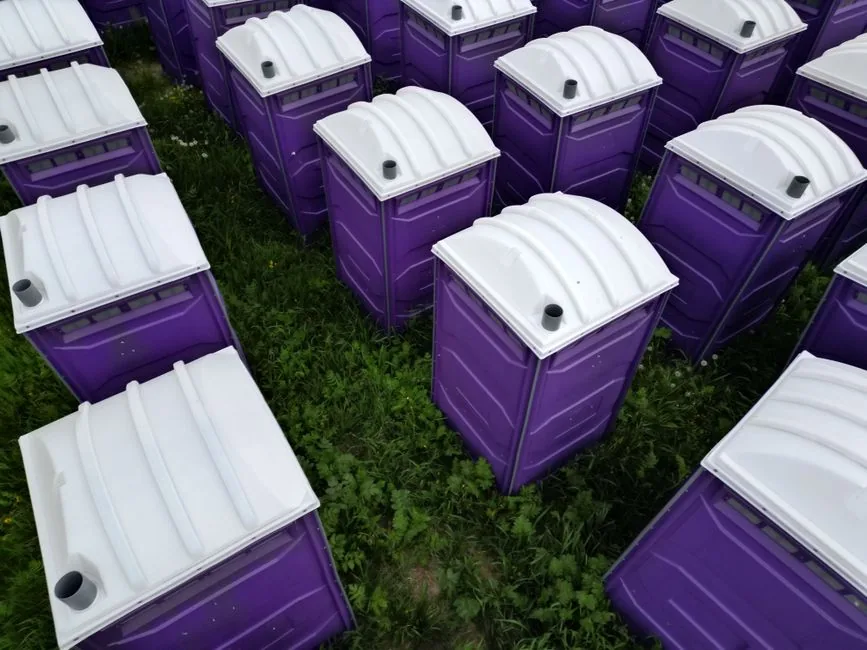
Standard porta potty
$125 to $250 a weekend
Milwaukee, WI
A 1,000 gallon septic tank typically gets pumped every 3 to 5 years, depending on household size and tank capacity. Most Milwaukee homeowners land somewhere in that window. If you're not sure where you fall, a quick inspection settles it before a backup does.
The honest answer: it depends on your tank size and how many people are running water through it every day. A 1,000 gallon tank serving a family of four wears differently than the same tank serving six people, and both fall inside that 3 to 5 year window tank size and household size drive. Garbage disposals, laundry habits and whether you've got a house full of teenagers all shift the math. Milwaukee's older housing stock means plenty of tanks that haven't been touched in longer than they should. If you're building new or adding a system, construction site services crews and homeowners doing home renovation work both run into the same scheduling question: pump on a calendar, or wait for symptoms. We recommend the calendar. Waiting for a slow drain or a soggy patch of yard means you're already past the point of easy prevention. If you manage rental property or a commercial lot anywhere from Wauwatosa to Franklin, a standing pump schedule beats an emergency call every time. Related reading: how often to pump a septic tank and septic tank warning signs.
Slow drains, gurgling pipes, standing water near the drain field and a sulfur smell in the yard are the classic signs. None of these mean "wait and see." A full tank backs up into the house, and that's a cleanup problem, not a maintenance one. If you're getting a wastewater smell indoors that wasn't there before, or the grass over your drain field is suddenly greener and spongier than the rest of the lawn, get it looked at. We cover septic tank warning signs in more detail, but the short version is: any of these on their own is worth a call, and two or more together means don't wait for the weekend. For businesses running a kitchen, the same full-system logic applies to grease trap pumping, just on a shorter interval driven by grease volume rather than years.
A standard visit means locating and uncovering the tank, pumping out solids and liquid, and a basic check of tank condition and baffles while the crew is already down there. It's not a full inspection unless you ask for one, but a good tech will flag anything that looks off. This is different work from what a portable restroom company usually does, but at Milwaukee Porta Pros we run both sides of site sanitation, so if you're also renting a portable toilet or a standard porta potty rental for a job site, septic and portable service can get scheduled together. For grease interceptors specifically, the trigger point is fats, oils, grease and solids reaching 25 percent of the liquid depth in the tank; past that, the interceptor stops doing its job. Wisconsin treats portable toilets, holding tanks, septic tanks and grease interceptors as one regulatory category: septage. The Wisconsin Department of Natural Resources requires any business that services or disposes of septage to hold a license under ch. NR 113, and the individuals doing the pumping must be certified under ch. NR 114 as an operator-in-training, certified septage operator or master operator, with a business needing a certified operator-in-charge before it can even get licensed. That's not paperwork for its own sake. It's the same rule whether the truck is pumping a Milwaukee home's septic tank or servicing a holding tank rental on a job site.
Pricing scales with tank size, access difficulty and how full the tank is when the truck arrives. Here's the general band:
| Service | Duration | Typical Range |
|---|---|---|
| Septic pumping | day rate | $150 to $300 |
| Septic pumping | weekend service | $50 to $150 |
A straightforward 1,000 gallon tank with easy access sits toward the lower end of that day rate. Larger tanks, buried risers, or a tank that hasn't been pumped in years and needs extra time all push it higher. If you're comparing this against other site sanitation costs, our porta potty rental cost and dumpster rental cost pages break down pricing the same way, by duration and by what drives the range up or down. For ongoing needs rather than a one-time pump, look at septic tank pumping cost for the fuller breakdown, or septic tank cleaning if you're dealing with buildup beyond routine pumping.
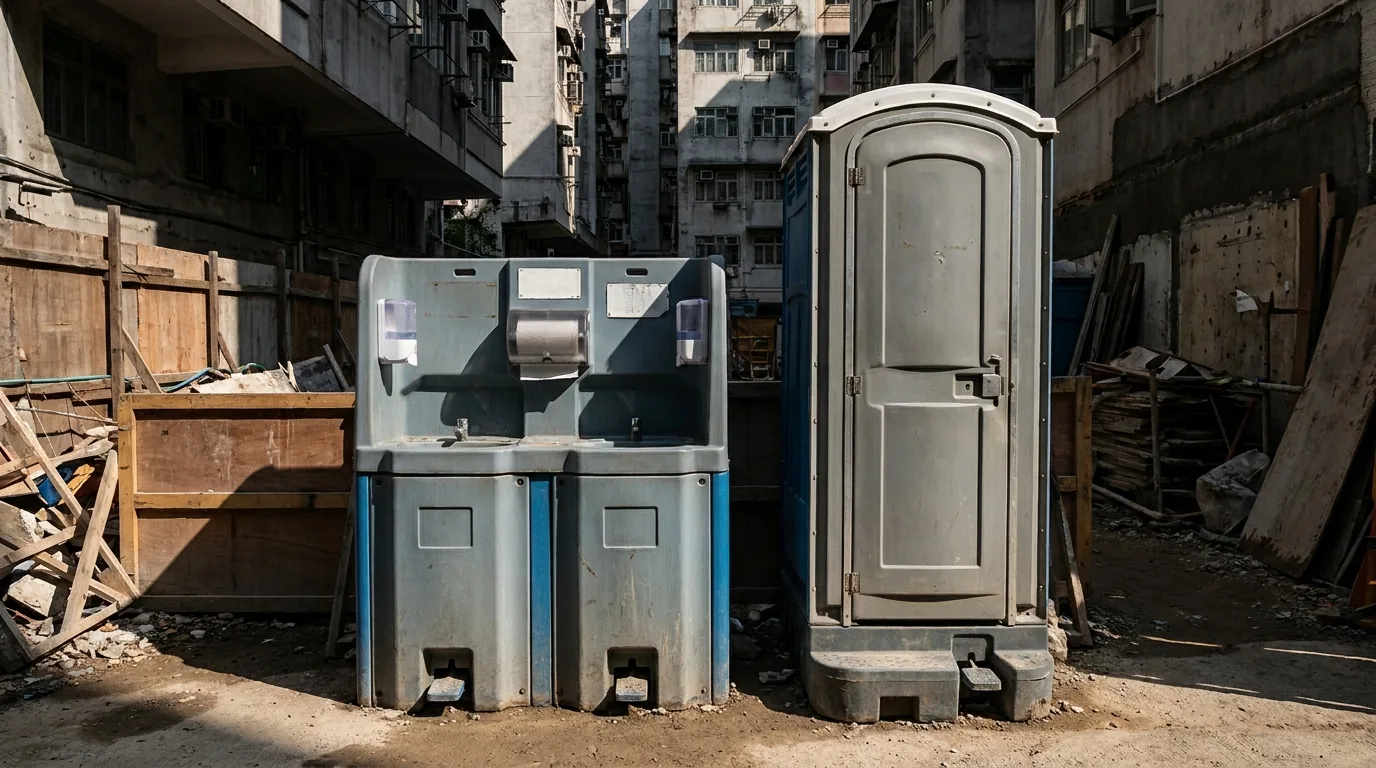
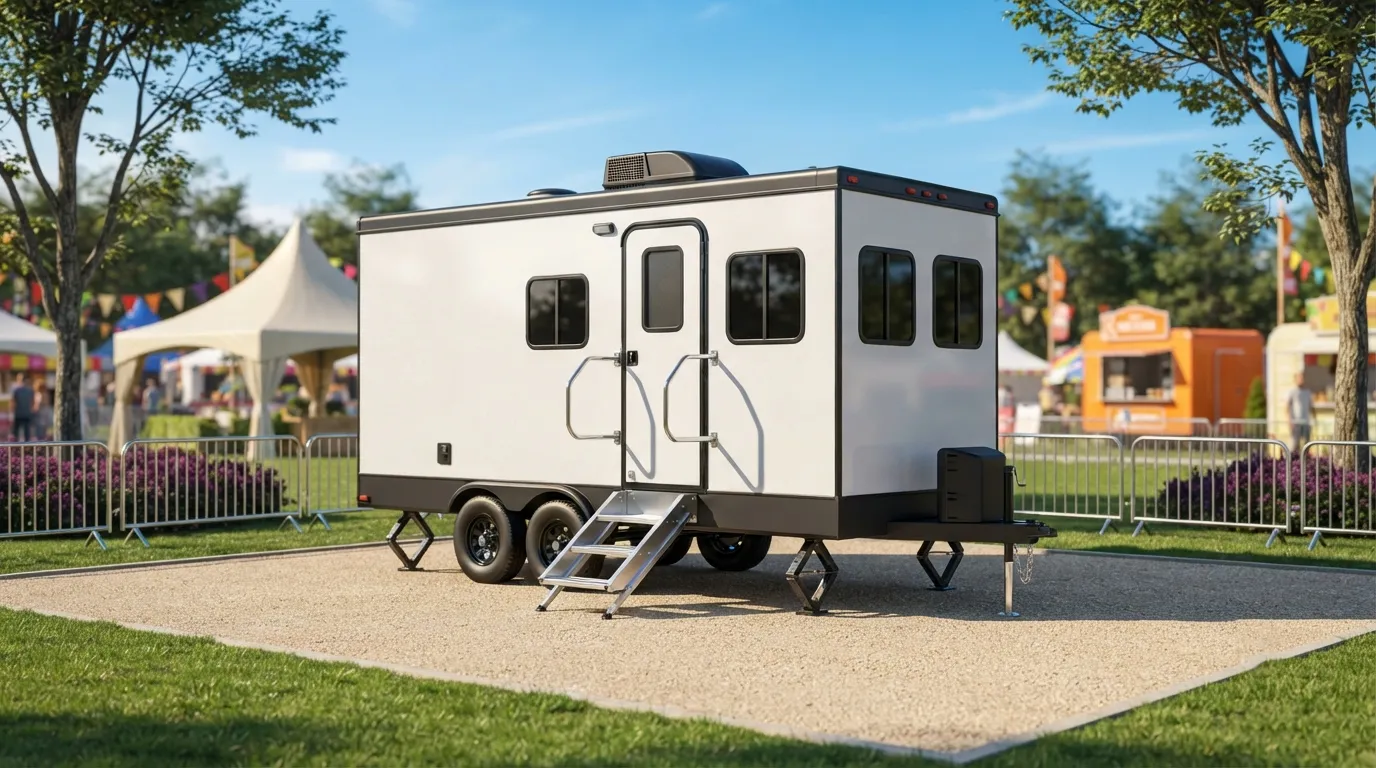
Yes. Holding tanks are a different animal from a septic system, they don't treat wastewater, they just hold it until a truck comes and pumps it out, so the service interval depends entirely on usage, not on a multi-year schedule. Construction crews, remote event sites and properties without a functioning septic system all lean on holding tanks. If you're running portable restroom rental units on a site without sewer access, or you need a restroom trailer rental for a longer event, the holding tank behind either one needs the same kind of pump-out attention as a home septic tank. We service these on the same trucks and same DNR-licensed process as residential septic work. If you're planning ahead for a wedding, check wedding restroom rental or event restroom rental for how holding tank capacity factors into unit count, and see holding tank rental for standalone tank options.
Yes, for backups and overflows that can't wait for a scheduled slot. A backed-up tank is a health and property problem the moment it starts, not something to schedule around a normal week. If you're dealing with sewage in the yard or a system that's stopped draining entirely, call and say so. For situations tied to flooding or storm damage rather than routine failure, see disaster relief sanitation. For portable toilet needs that come up on the same kind of short notice, emergency porta potty rental and emergency septic service cover the fast-turnaround side of the business. We serve Milwaukee proper along with towns like Whitefish Bay, 6.7 miles northeast, and West Allis, 7.0 miles southwest, so response distance is rarely the bottleneck.
Milwaukee's building stock and lot sizes mean septic systems show up more on the outskirts than downtown, but plenty of properties in Mequon, 11.8 miles north, and New Berlin, 14.6 miles southwest, still rely on them. If your project touches the public right of way, note that Milwaukee's Chapter 115 governs obstruction of public ways, and placement of any equipment there needs confirming with the city rather than assumed. See our service areas page for full coverage, or request a quote directly. For general site sanitation planning alongside septic work, how many porta potties do I need and OSHA portable toilet requirements are useful companion reads, and OSHA 1926.51(c) sets the toilet-to-worker ratio on active construction sites regardless of whether septic or portable units are handling the load.
Most residential jobs run $150 to $300 for a day-rate visit, depending on tank size and access. Weekend service runs $50 to $150. Larger tanks or hard-to-reach risers push toward the higher end. Get an exact number with request a quote.
A standard 1,000 gallon tank with normal access typically falls in the lower half of the $150 to $300 day-rate range. Difficult access, extra buildup, or an overdue tank can push the price higher. See septic tank pumping cost for details.
Slow drains, gurgling pipes, sewage odor, or standing water over the drain field all mean it's time. Don't wait once you see two of these together. Full details on septic tank warning signs.
Not usually in one stop if they're at different properties, but if you're running both a home septic system and a job site holding tank, we can schedule them close together. See holding tank rental for standalone service.
Yes, emergency response is available for active backups and overflows. Weekend septic service runs $50 to $150. For urgent portable toilet needs on the same timeline, see emergency porta potty rental.
No permit is needed for the pumping itself, since it's a service, not construction. If equipment placement affects the public way, that falls under Chapter 115 and needs confirming with the city. See porta potty permit requirements for a related discussion.
What we rent
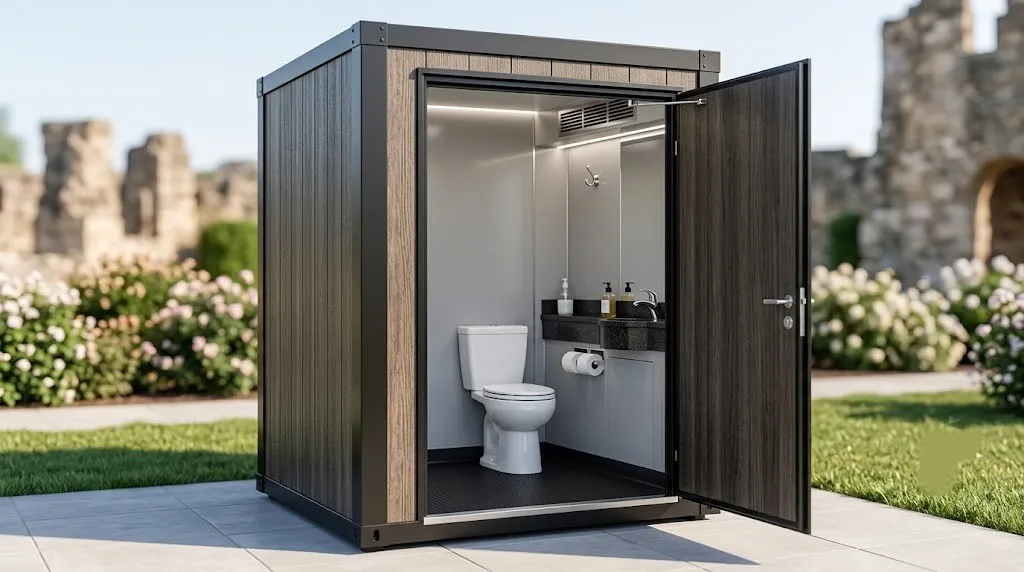
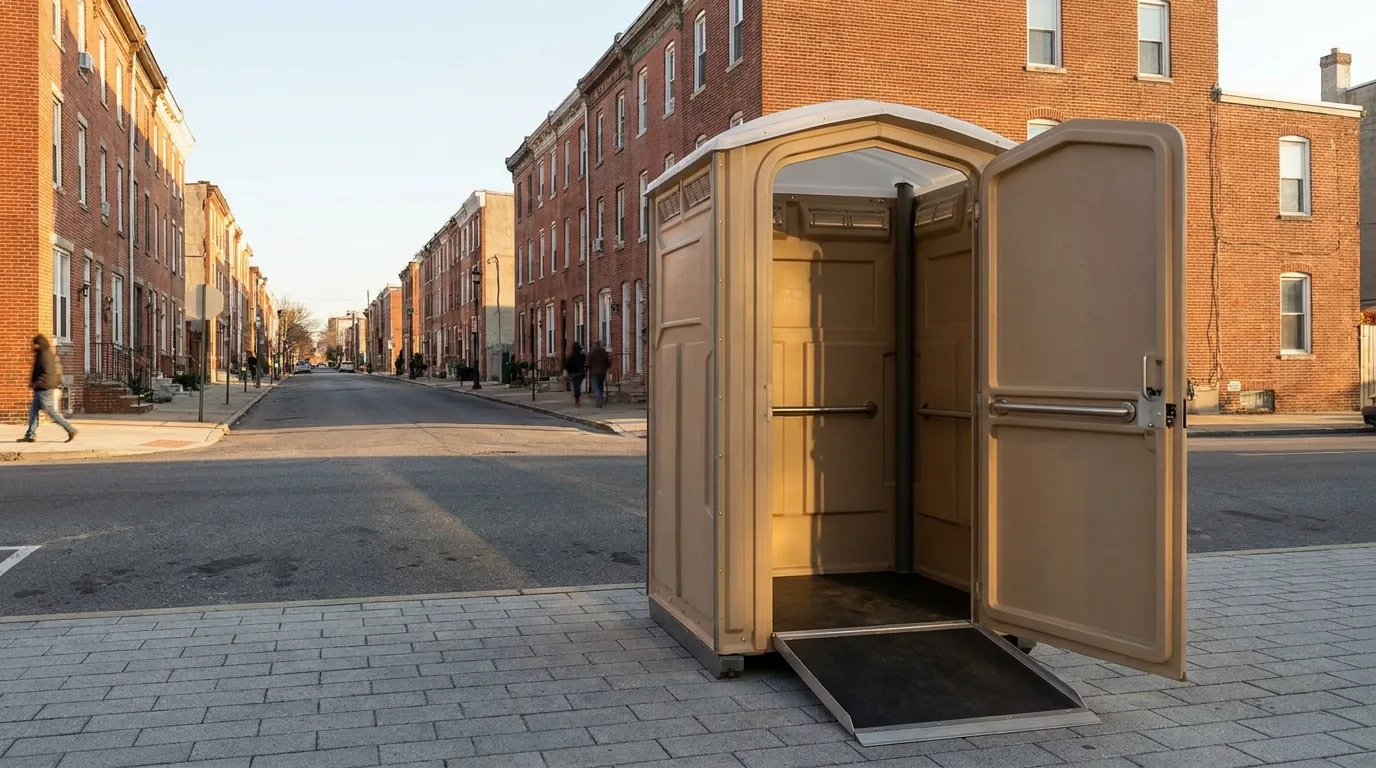
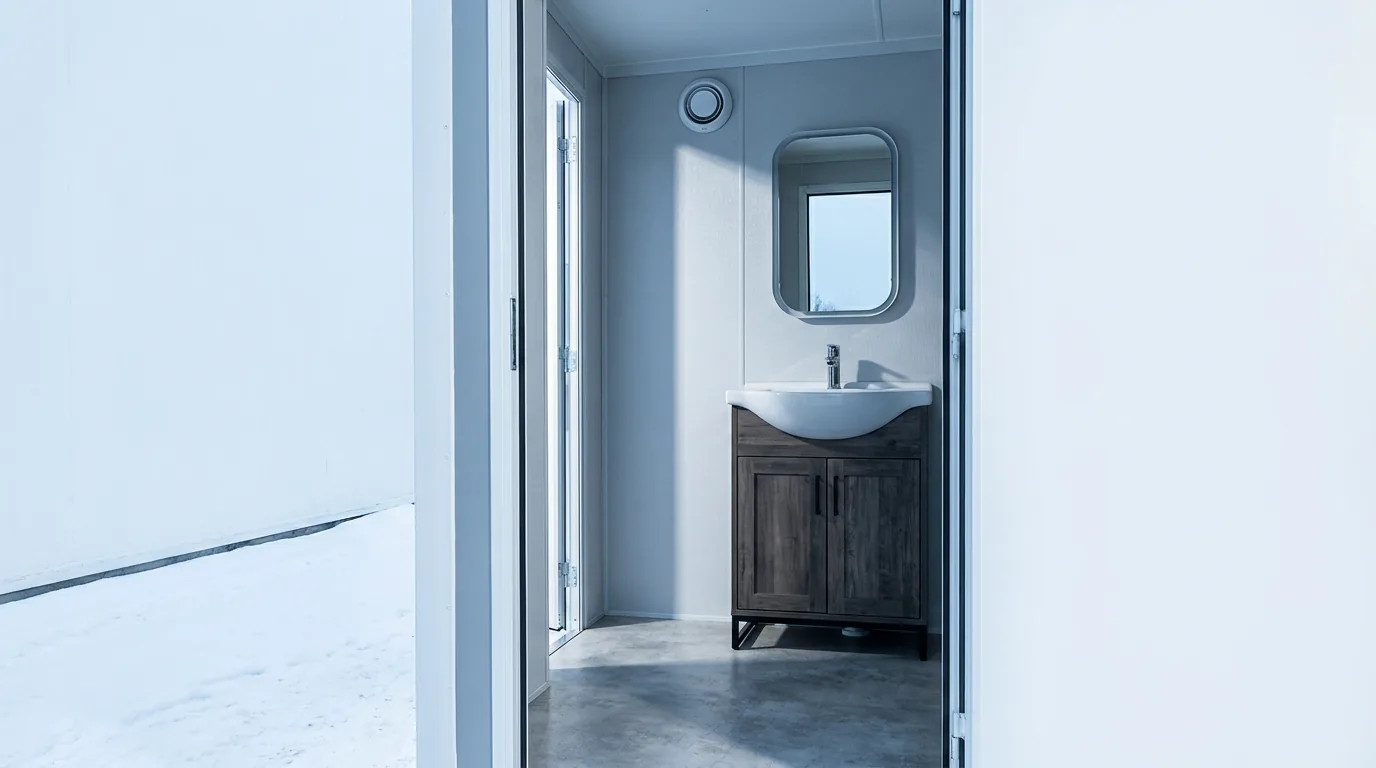
Typical Milwaukee ranges, not a quote. Delivery is $50 to $150 and a weekly service visit $30 to $60. See the full cost breakdown.
$125 to $250 a weekend
$200 to $350 a weekend
$199 to $300 a weekend
Quoted by stall count
The rest of the yard
We deliver across Milwaukee County and the surrounding metro:
Next step
Tell us the address, the dates and the headcount. We size the order and confirm the route.