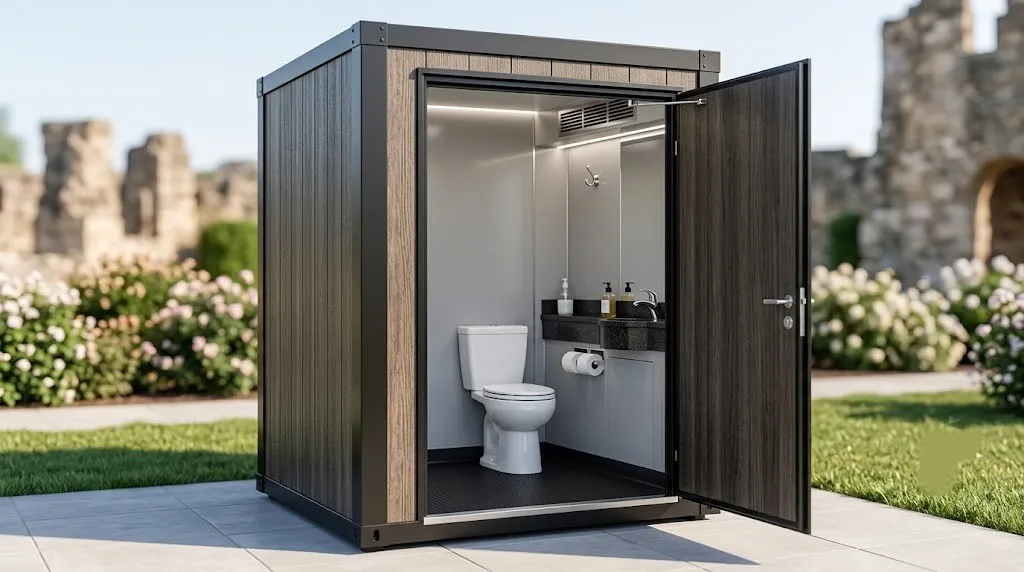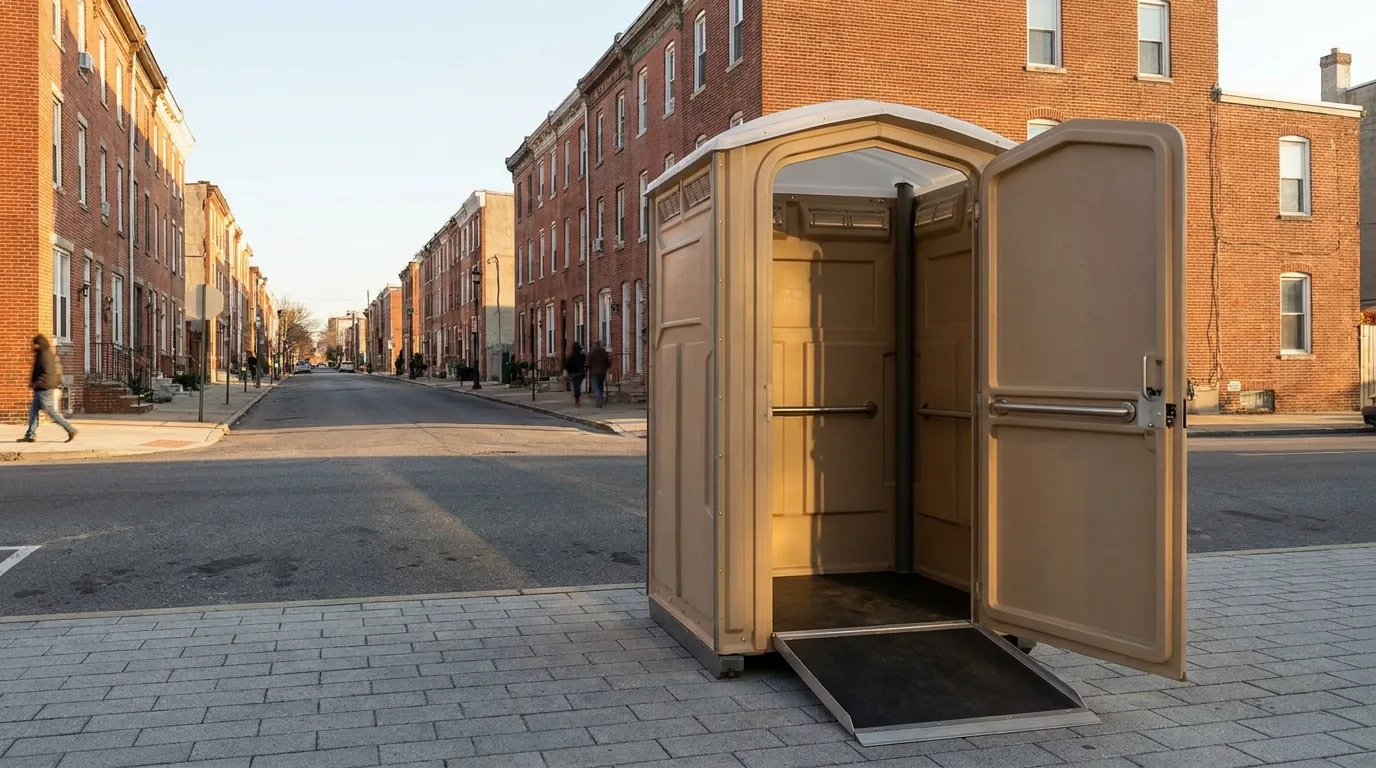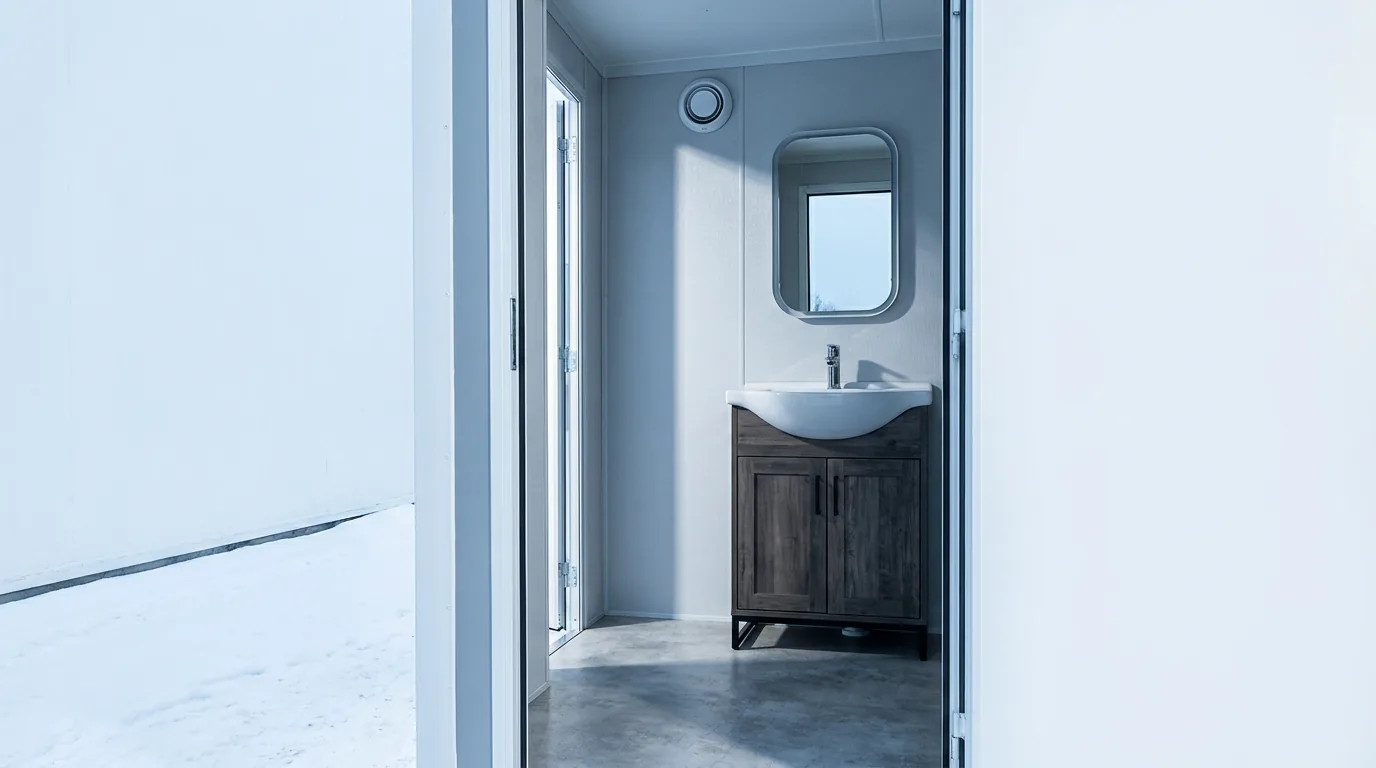
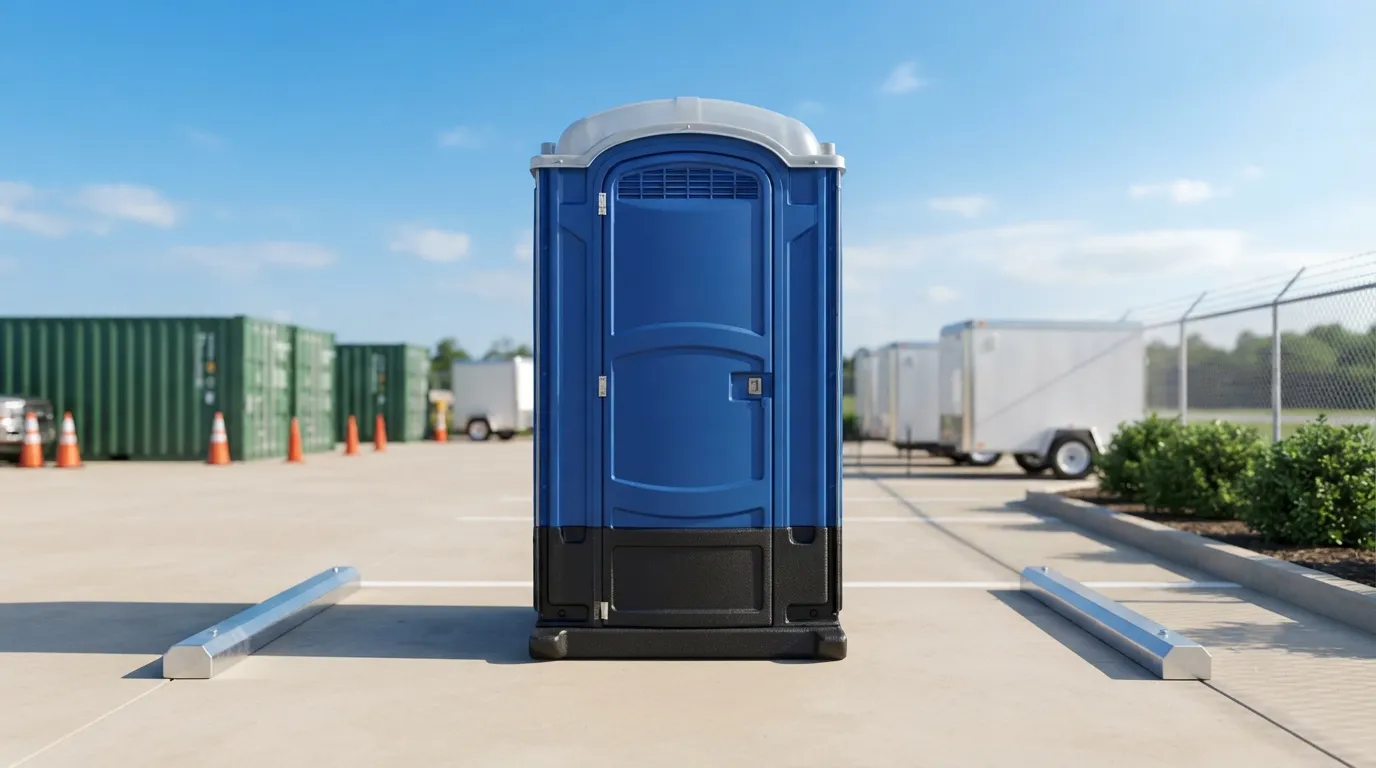
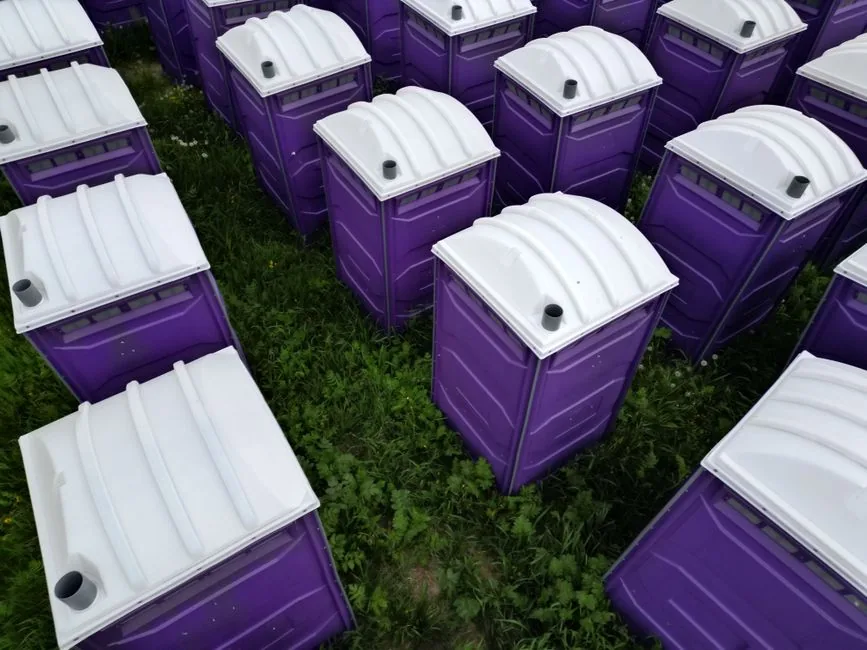
Standard porta potty
$125 to $250 a weekend
Milwaukee, WI
A residential septic tank pumping cost question always starts the same way: a residential septic tank typically needs pumping every 3 to 5 years, depending on tank size and how many people live in the house. A grease interceptor is a different animal: it gets pumped once fats, oils, grease and solids reach 25 percent of liquid depth. Milwaukee homes on private systems should track both.
The 3 to 5 year window is a range, not a rule. A smaller household with a bigger tank stretches toward the 5 year mark. A full house running laundry, dishwashers and long showers pushes toward 3. Milwaukee's climate adds its own pressure: with 34.76 inches of average annual precipitation and 125.5 days a year at or below freezing, soil around a drain field stays saturated more often than in drier regions, and that slows how fast a tank drains between services. If you're not sure where your household falls, septic tank warning signs is worth a look before you guess. For businesses managing kitchen waste rather than household waste, the interceptor timeline runs separately, and grease trap pumping covers that schedule specifically. Homeowners who want a straight answer on cost before they call anyone should check septic tank pumping cost first, since pricing depends on tank access and volume more than on the calendar.
Solids build up, the outlet baffle clogs, and eventually sewage backs up into the house or floods the drain field. That last failure mode is the expensive one, and it's the reason some property managers keep a porta potty rental checklist handy for the interim. A drain field that's been flooded with solids can take months to recover, and sometimes it doesn't. If you're already seeing slow drains or sewage odor near the tank, don't wait for the next scheduled visit. Emergency septic service exists for exactly that gap between "probably fine" and "call now." Milwaukee's Department of Neighborhood Services doesn't publish a specific consumer alert on septic timing, but the Wisconsin DNR is the actual regulator here: septage businesses in the state, a category that DNR states explicitly covers portable restrooms, septic tanks, holding tanks and grease interceptors, must be licensed under ch. NR 113, Wisconsin Administrative Code, and the technician handling the pump-out must be certified under ch. NR 114, a standard that also governs septic tank cleaning crews working elsewhere in the state. That licensing structure exists because septage handling done wrong is a public health problem, not just a plumbing inconvenience.
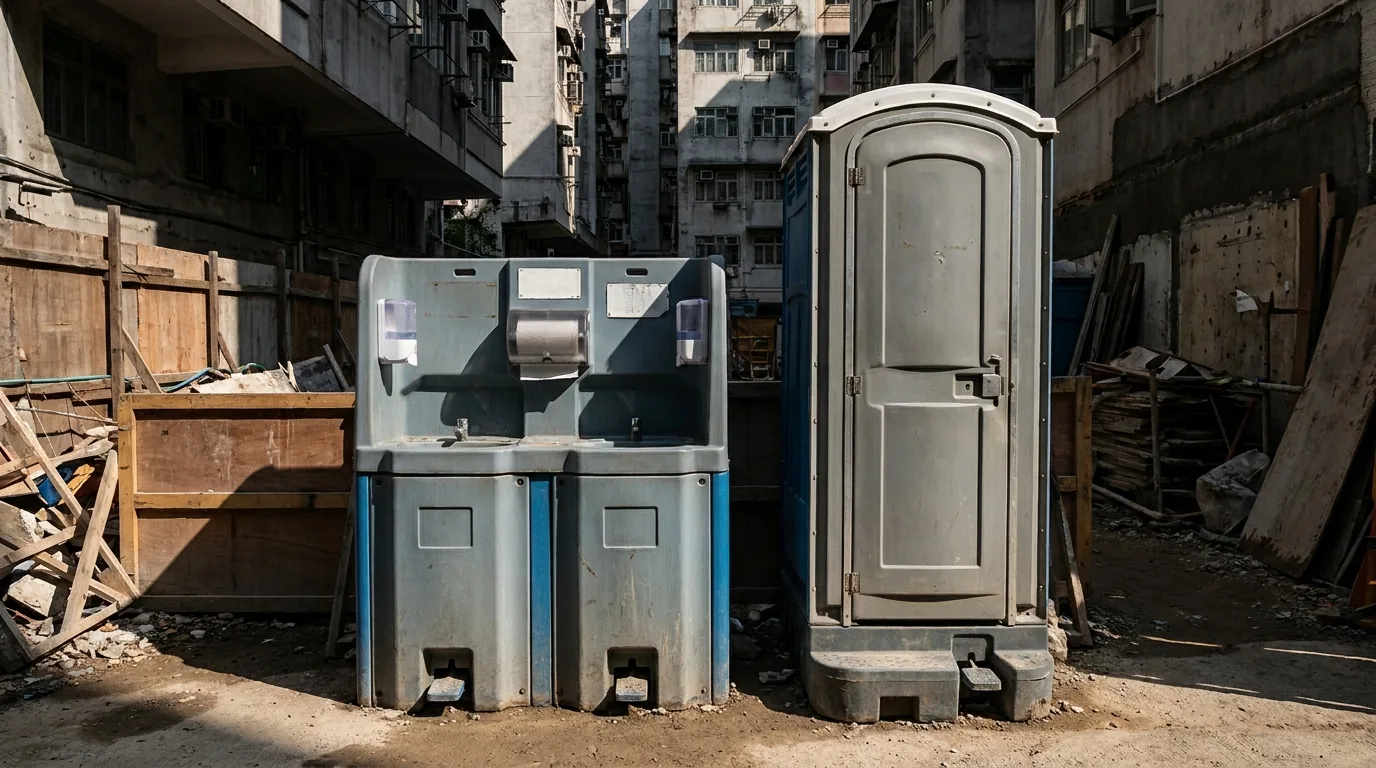
A 1,000 gallon tank serving two people behaves nothing like the same tank serving six. More people means more water in, more solids settling, and a shorter runway before the tank fills past its working capacity. If you're building new construction or converting a property and need interim sanitation while a system gets sized or repaired, a holding tank rental bridges that gap without guesswork, and pairing it with a handwashing station rental covers crew hygiene on the same site. Commercial sites in Milwaukee juggling both wastewater and worker sanitation on the same job often end up comparing septic pumping service against renting standalone units outright; the standard porta potty rental line handles crews on a jobsite while the septic side gets sorted separately, and larger crews sometimes step up to a restroom trailer rental instead. For sites further out, driving distance affects service windows: a call from Franklin, 14.2 miles south, or Oak Creek, 19.5 miles south, adds real travel time compared to a job inside Milwaukee proper.
No permit is required just to have a tank pumped. Permits become relevant if work touches the public way, like a truck parked to access a line under a sidewalk. Milwaukee Code of Ordinances Chapter 115, covering street construction and work on public ways, includes section 115-32 on obstruction on public ways, and separate chapters, Chapter 116 and Chapter 245, also touch on occupying public space. The exact fee and application process for a Milwaukee public way permit isn't confirmed in city documentation available to us, so if your service call needs street access, confirm directly with the Department of Public Works before the truck shows up, the same caution covered on porta potty permit requirements. That uncertainty is one more reason to book service with enough lead time, rather than during an active backup, and it's worth reading through dumpster permit requirements too if the same job involves debris removal.
| service | typical frequency | price range |
|---|---|---|
| septic pumping, day rate | every 3 to 5 years (residential) | $150 to $300 |
| septic service, weekend | as needed | $50 to $150 |
Businesses running events or construction that need bathrooms on-site while septic work happens can compare options at portable toilet rental or look at porta potty rental cost for a fuller price picture, and job sites hauling debris at the same time often add a roll-off dumpster rental to the order. If the property in question is agricultural, note that OSHA 1928.110 sets separate field sanitation rules for hand-labor employees, requiring one facility per 20 workers within a quarter mile walk, which is a different standard than residential septic timing but often comes up on the same rural Milwaukee-area properties, alongside farm and agricultural restrooms planning for harvest season.
Slow drains, gurgling pipes, standing water near the tank lid, or a sewage smell outdoors are the clearest signs. Any of those means don't wait for the 3 to 5 year mark. Call for service the same week, and check septic tank warning signs for the fuller list.
Yes. More residents means more water and more solids entering the tank daily, which shortens the interval. A two-person household near the 5 year end of the range might see a four or five-person household need service closer to every 3 years instead.
No. A grease interceptor is pumped based on fat, oil, grease and solid buildup reaching 25 percent of liquid depth, not on a fixed calendar. Restaurants and commercial kitchens should track that separately; see grease trap pumping for details, and construction sites nearby sometimes need temporary fence rental around the work area too.
That depends on the provider and how far out the property sits. Milwaukee Porta Pros offers emergency septic service for active backups. Properties in outlying areas, like Mequon 11.8 miles north or New Berlin 14.6 miles southwest, may see different response windows than in-city addresses, similar to how porta potty rental in Brookfield, WI can run on a different schedule than downtown calls.
That's common on renovation and construction sites. Pair septic service with standard porta potty rental or, for larger crews, look at portable restroom rental so the property has working sanitation while the tank is serviced.
What we rent
Typical Milwaukee ranges, not a quote. Delivery is $50 to $150 and a weekly service visit $30 to $60. See the full cost breakdown.
$125 to $250 a weekend
$200 to $350 a weekend
$199 to $300 a weekend
Quoted by stall count
The rest of the yard
We deliver across Milwaukee County and the surrounding metro:
Next step
Tell us the address, the dates and the headcount. We size the order and confirm the route.