Standard porta potty
$125 to $250 a weekend
Milwaukee, WI
Set a unit on level, stable ground within 4 feet of a service truck's reach, at least 5 feet from doors, windows and food areas, with 3 feet of clear space in front for the door swing. In Milwaukee, anything sitting in the public way needs a look at city rules first.
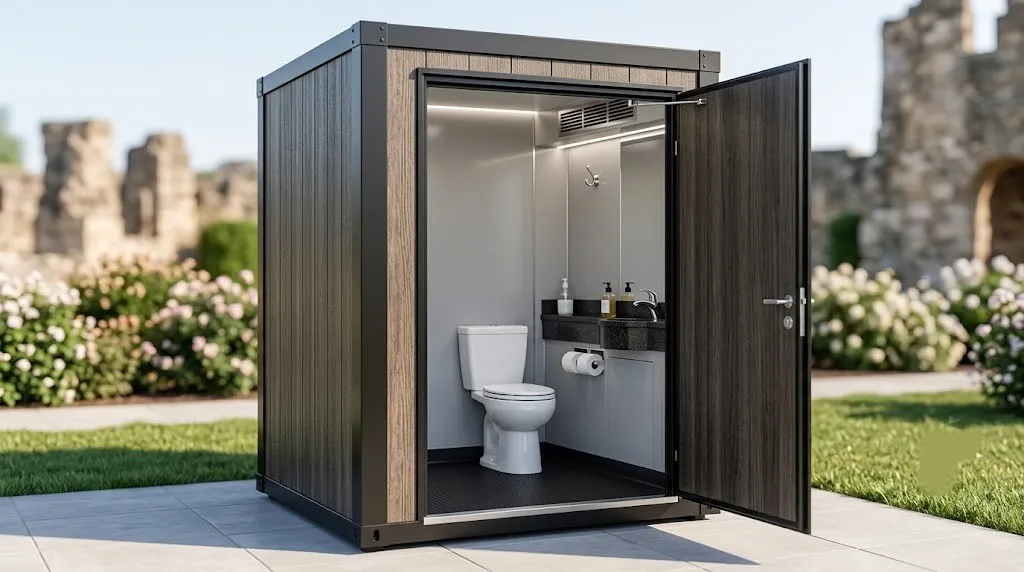
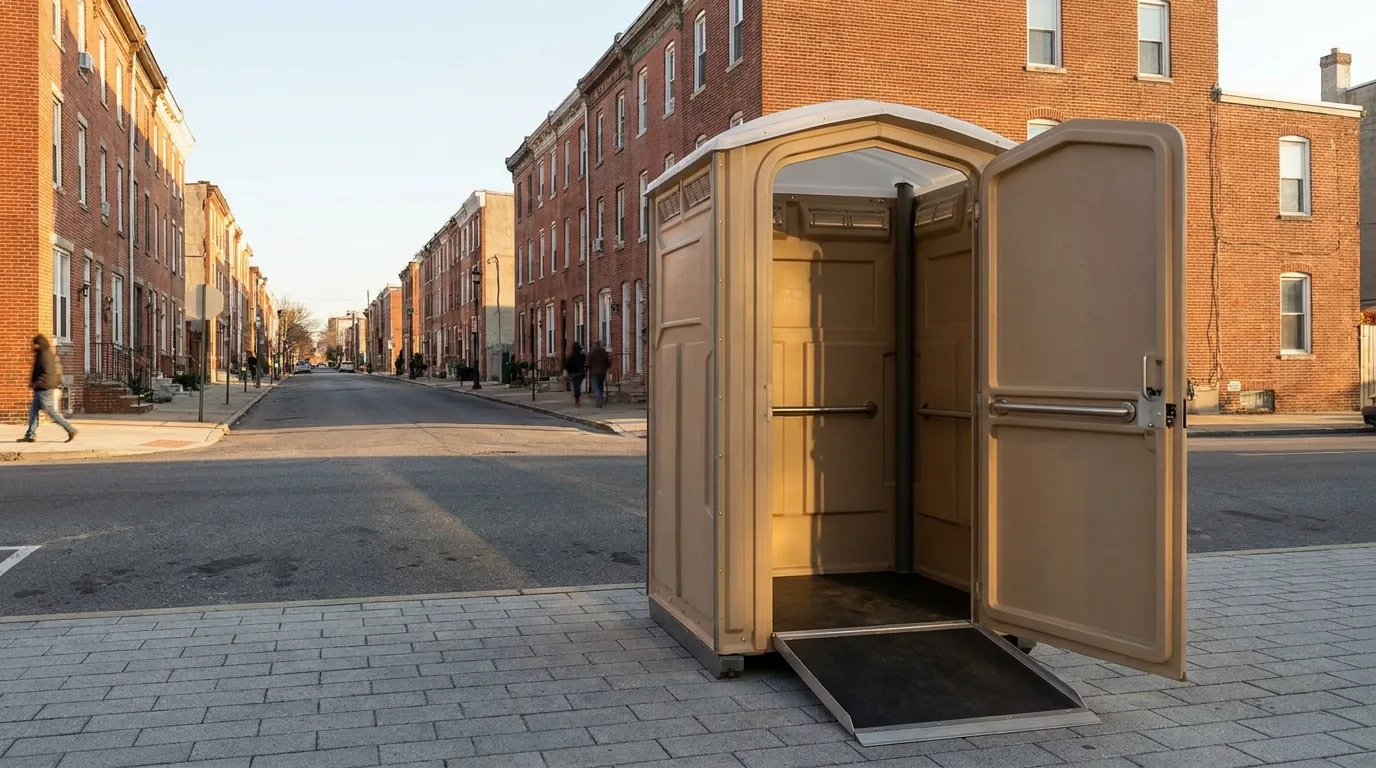
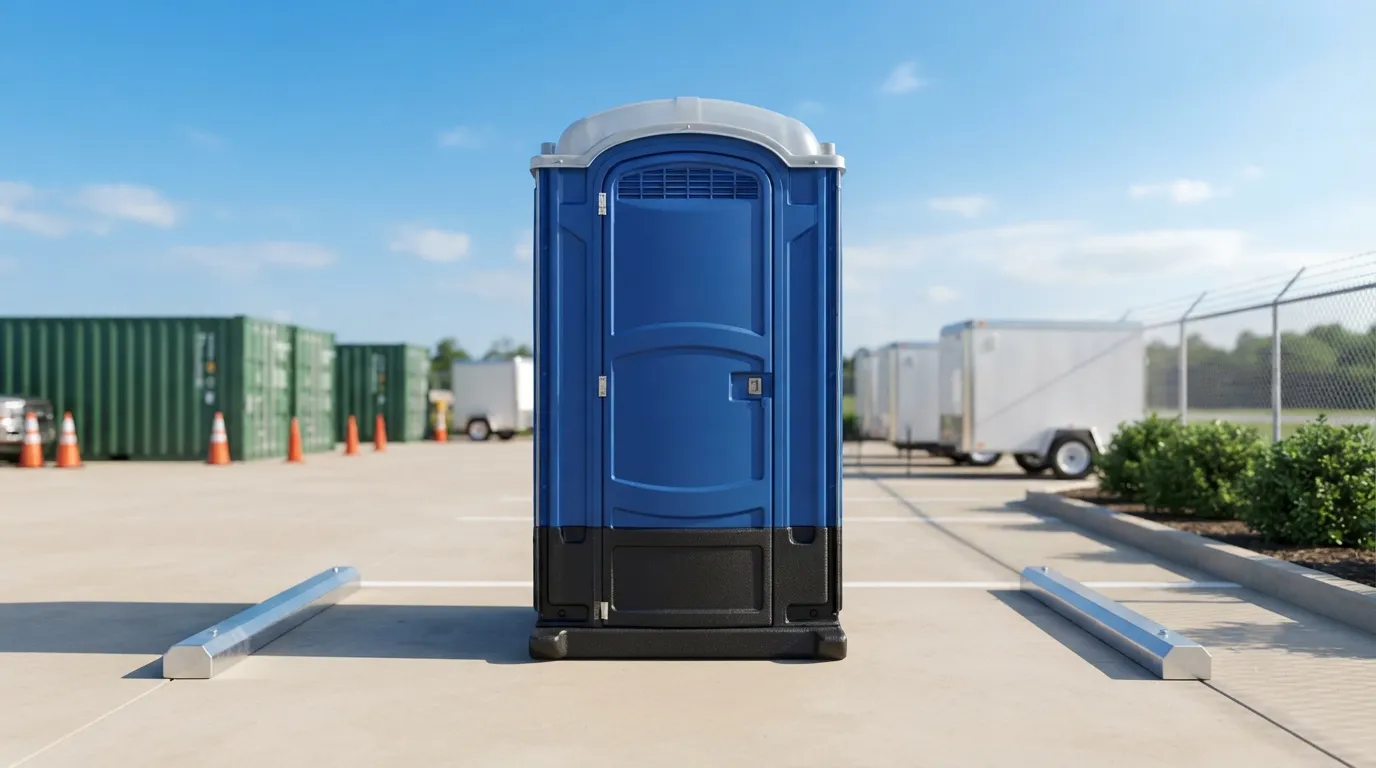
Ground stability matters more than most people think. ADA Standards section 302.1 calls for surfaces that are stable, firm and slip resistant, and that rule is worth following even on a unit that isn't the accessible one, because a unit that rocks or sinks becomes a service problem fast. Keep the front door swing clear, keep it off soft turf after rain, and keep it away from storm drains. On a standard porta potty rental, the footprint runs about 44 by 48 inches on the ground and stands roughly 92 inches tall, so give yourself a little more room than the box itself suggests, especially near fencing or a temporary fence rental line. For a construction lot, pull units back from active traffic and stage them near where crews already gather. If you're running an ada accessible porta potty, ADA Standards section 304.3.1 calls for a 60 inch turning circle around it, and section 403.5.1 wants a 36 inch clear route to reach it. Milwaukee sees 125.5 days a year at or below freezing, so placement near a plowed path also matters more than it does in a milder climate; see our porta potty in winter notes for cold-weather setup.
Yes, if the unit sits in the public way rather than on private property. Milwaukee Code of Ordinances Chapter 115, Street Construction and Work on Public Ways, section 115-32 covers obstructions on public ways, and Chapter 116 and Chapter 245 also touch occupancy of public thoroughfares. The exact permit name, issuing department and fee are not published where we could confirm them, so call the City of Milwaukee Department of Public Works before you plan a curb or sidewalk placement. This is the same category of question people ask about dumpster placement permit cost and a dumpster placement permit generally: the paperwork and the fee vary by city, and Milwaukee's fee schedule for this isn't something we're going to guess at here. If your placement stays on private property, you skip this step. For event or home-project logistics, our porta potty permit requirements page and the dumpster permit requirements page walk through the private-versus-public-way distinction in more detail.
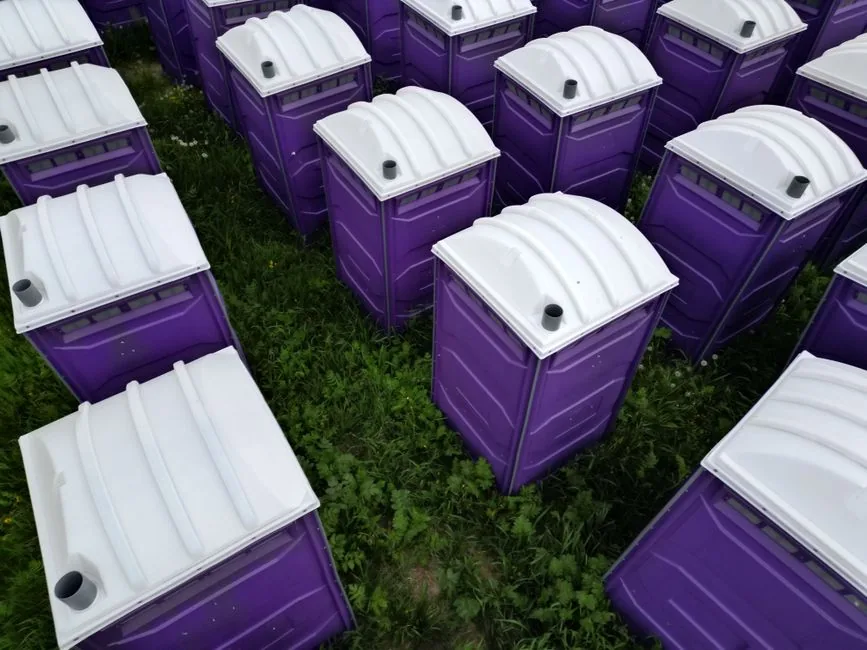
Spacing depends on headcount and layout, not guesswork. OSHA 1926.51(c)(1) sets construction toilet ratios at one facility for 20 workers or fewer, then one toilet seat and one urinal per 40 workers from 20 up. For a spread-out Milwaukee job site, that math changes where you cluster units versus spread them near separate work zones. ANSI/PSAI Z4.3 sets a baseline service interval of once a week for up to 10 users over a 40-hour week, which is worth knowing when you're deciding how many units versus how often you want a truck back on site. If you're clustering multiple single-user units, ADA Standards section 213.2 requires at least 5 percent to be accessible units, never fewer than one. Our how many porta potties do i need guide runs the numbers by crew size, and the osha portable toilet requirements page covers the ratio table in full. For a farm crew under field conditions, OSHA 1928.110 sets a different standard: one facility per 20 hand-labor employees, reachable within a quarter mile walk, which is the number that drives placement on farm and agricultural restrooms jobs.
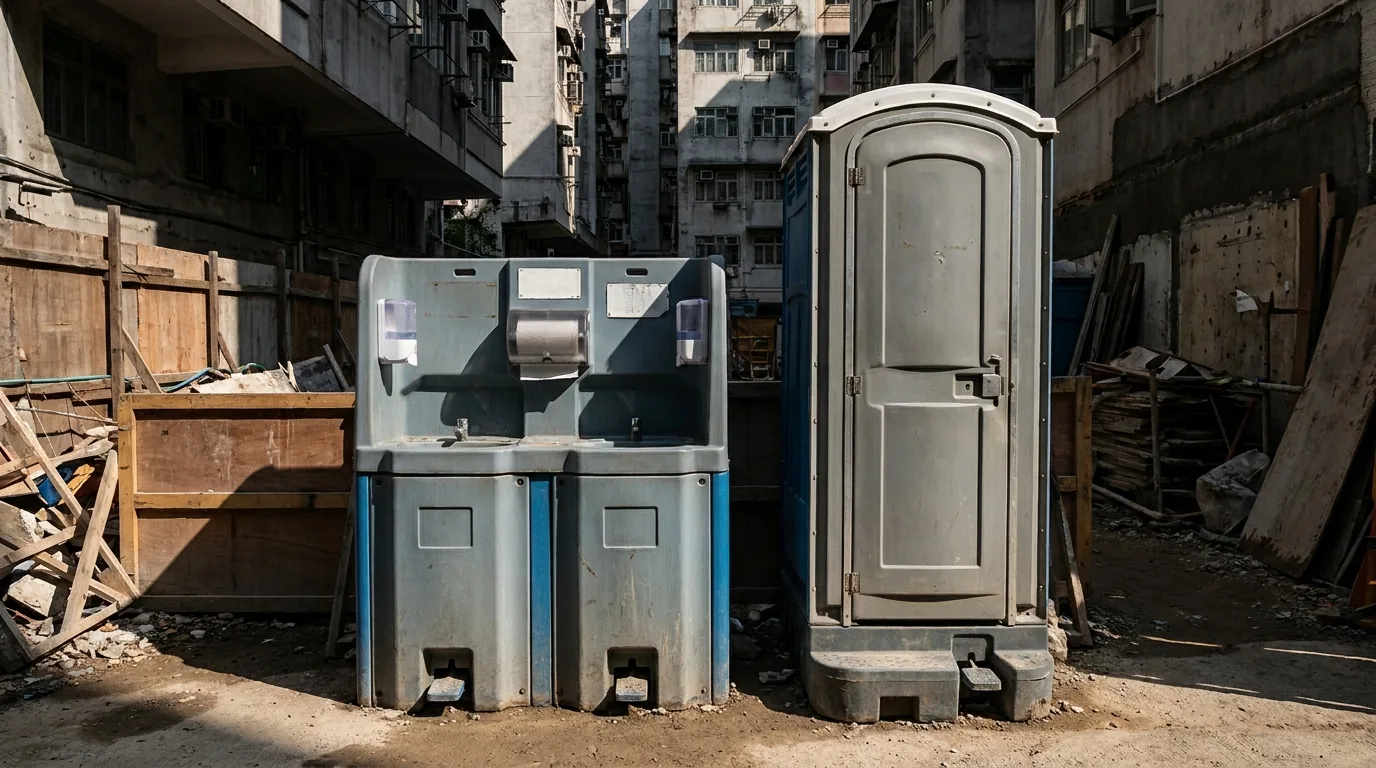
Yes, tight access adds cost and sometimes adds a trip. A roll-off delivery needs about 60 feet of straight clearance behind the truck, so if your Milwaukee lot doesn't have that run, expect a different approach or a smaller container; see dumpster sizes and dimensions before committing to a spot. The same logic applies to a restroom trailer rental: a trailer needs a straight, level pull-in, and placement against a curb or slope can turn a routine drop into a return visit. Delivery fees for standard units run from a 100 to 500 dollar band depending on distance and access, so a hard-to-reach spot in Milwaukee costs more than a driveway with a clear approach. If you're 8.0 miles out in Brookfield or 11.7 miles northwest in Menomonee Falls, drive time factors into that fee too. Storage units and mobile offices need similar clearance; if a unit like a mobile office trailer rental has a door that's been damaged, mobile office trailer replacement doors are a repair item, not a placement one, and worth flagging to your vendor separately from the site plan.
| unit | day | week | month |
|---|---|---|---|
| standard | $100-$350 | $130-$500 | $125-$325 |
| ada | $200-$400 | $240-$400 | - |
| dumpster | $51-$112 | $426-$778 | $600-$2400 |
Septic and grease work follows its own placement logic. A residential septic tank typically needs pumping every 3 to 5 years, and a grease interceptor gets pumped once fats, oils, grease and solids reach 25 percent of liquid depth. Wisconsin DNR requires septage businesses, a category that explicitly includes portable restrooms, to be licensed under ch. NR 113, with operators certified under ch. NR 114. If you're searching for something like a placerville septic pumping service, the same licensing structure applies here under Wisconsin rules, not California's, so confirm your provider is Wisconsin-licensed. Our septic pumping service and grease trap pumping pages cover access requirements for the truck itself.
For handwashing near paint, coatings or pesticide work, OSHA 1926.51(f)(1) requires washing facilities, and 29 CFR 1910.141(d)(2) requires soap and towels, not sanitizer alone. See handwashing station rental or ozark river portable sink replacement parts needs for units already on-site needing service.
Flat, compacted gravel or pavement is ideal. Grass works if it's dry and firm; soft, muddy ground causes tipping risk and service delays. Avoid slopes over a gentle grade, and skip areas that pool water after Milwaukee's frequent rain.
Keep it at least 5 feet from doors, windows and any air intake. Closer placement traps odor near entrances. Many event venues and job sites in Milwaukee also want it out of primary sightlines.
No. Grass, gravel and dirt all work if the ground is stable and level per ADA Standards 302.1. Soft or sloped ground is the real problem, not the surface material itself.
Only with the right permit. Chapter 115 governs public way obstructions, but the exact permit name and fee aren't published anywhere we could verify. Call Milwaukee's Department of Public Works before placing anything off private property.
ADA Standards 304.3.1 calls for a 60 inch turning circle, and section 404.2.3 sets a minimum 32 inch clear door opening. Give it more room than a standard unit, especially near ramps built to a 1:12 slope under section 405.2.
What we rent
Typical Milwaukee ranges, not a quote. Delivery is $50 to $150 and a weekly service visit $30 to $60. See the full cost breakdown.
$125 to $250 a weekend
$200 to $350 a weekend
$199 to $300 a weekend
Quoted by stall count
The rest of the yard
We deliver across Milwaukee County and the surrounding metro:
Next step
Tell us the address, the dates and the headcount. We size the order and confirm the route.