Standard porta potty
$125 to $250 a weekend
Milwaukee, WI
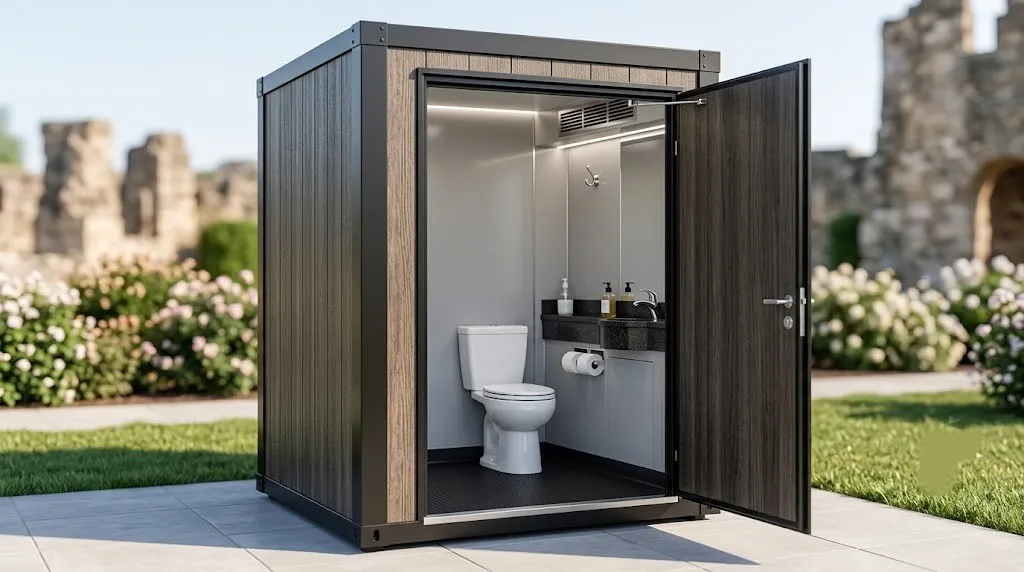
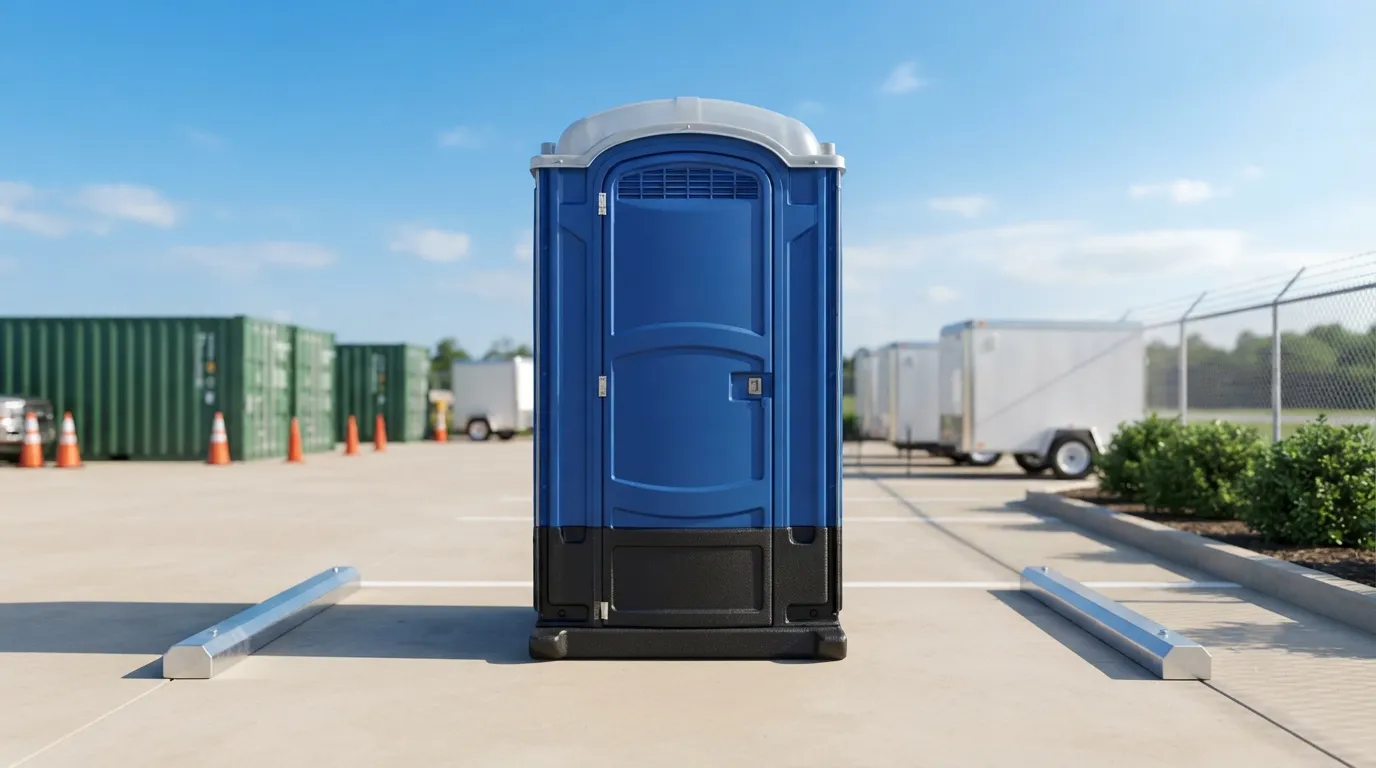
A porta potty is a self-contained toilet: waste drops into a 60 to 70 gallon holding tank below the seat, a deodorizing chemical breaks it down and controls odor, and the whole unit sits on a base about 44 by 48 inches. No plumbing, no water line. A tech pumps and restocks it on a set schedule.
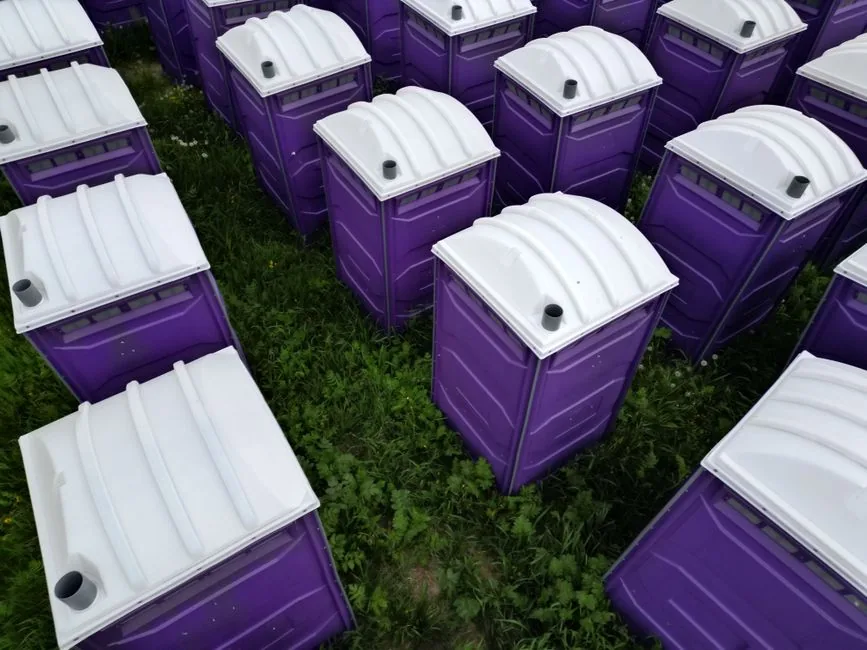
Underneath the seat is the tank. Waste goes in, a blue or green chemical solution mixes with it, and that solution manages odor and starts breaking down solids between service visits. A standard unit stands about 92 inches tall and holds a vent stack that pulls odor up and out rather than back into the stall. There's no water, no flush handle on the basic model, just a seat, a tank, and enough headroom for a standard porta potty rental to do its job on a Milwaukee jobsite or backyard party. Service techs pump the tank, spray down the interior, and refill the chemical charge on each visit. ANSI/PSAI Z4.3, the industry service standard, sets one visit per week as the baseline for up to 10 users over a 40 hour week. Heavier use means more visits, which is why a big event restroom rental for a festival or a busy construction site services job usually gets serviced more than once a week. If you're comparing unit types before you commit, the porta potty rental page breaks down what's available around Milwaukee.
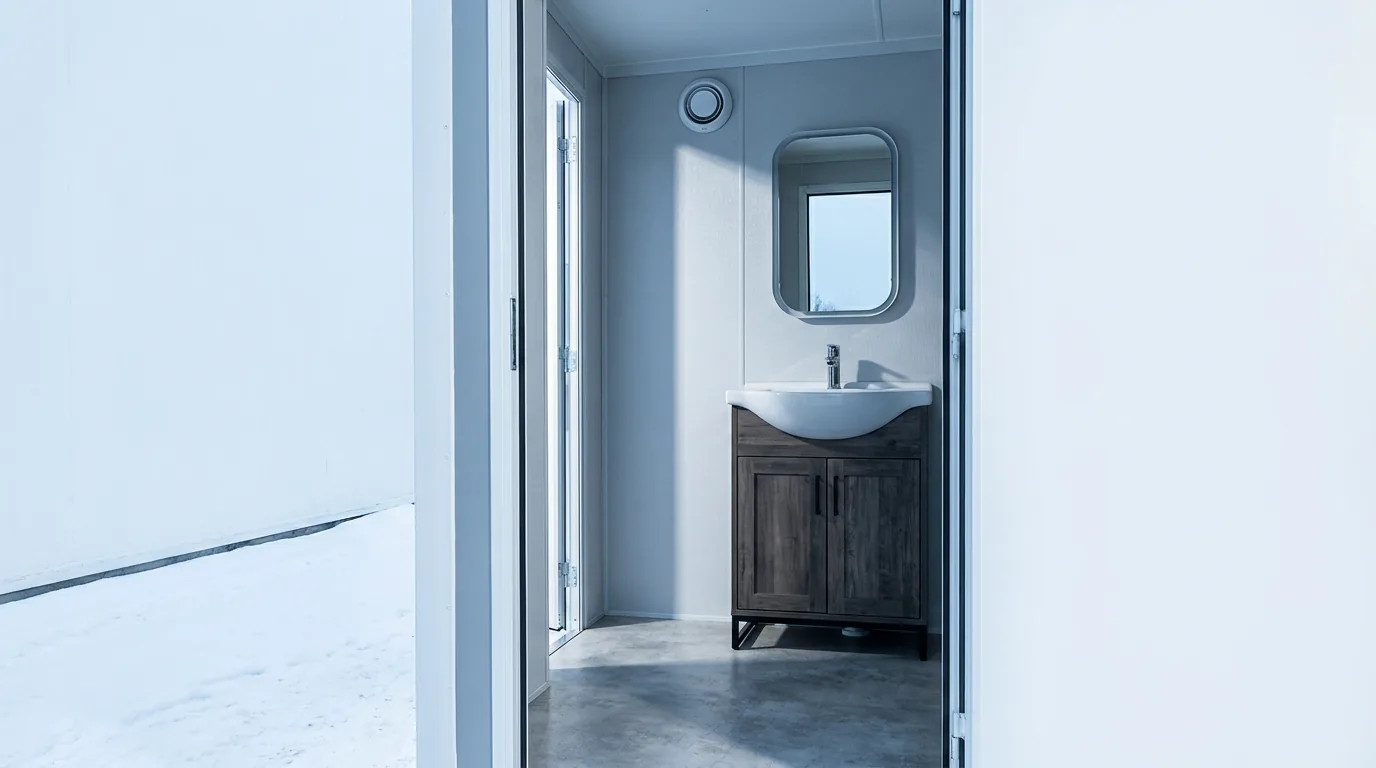
A flushable, or deluxe, unit adds a small onboard freshwater tank and a foot pump or hand pump that pushes a rinse of water into the bowl after use. That's the whole trick: instead of waste sitting exposed in the tank opening, a shot of water clears the bowl each time, so a deluxe flushable porta potty feels closer to a home bathroom. The holding tank below still does the same job as a standard unit, storing waste and chemical solution until the next service. Restroom trailers take this further with a real flush, sink, and interior lighting; the restroom trailer rental lineup includes 2 stall, 4 stall, and 8 stall layouts depending on headcount, and a shower trailer rental works the same flush principle with hot water added. Weddings, corporate events, and film crews tend to book deluxe or trailer units instead of a standard porta john rental for exactly this reason. A wedding restroom rental or luxury restroom trailer is really the same core mechanism, dressed up.
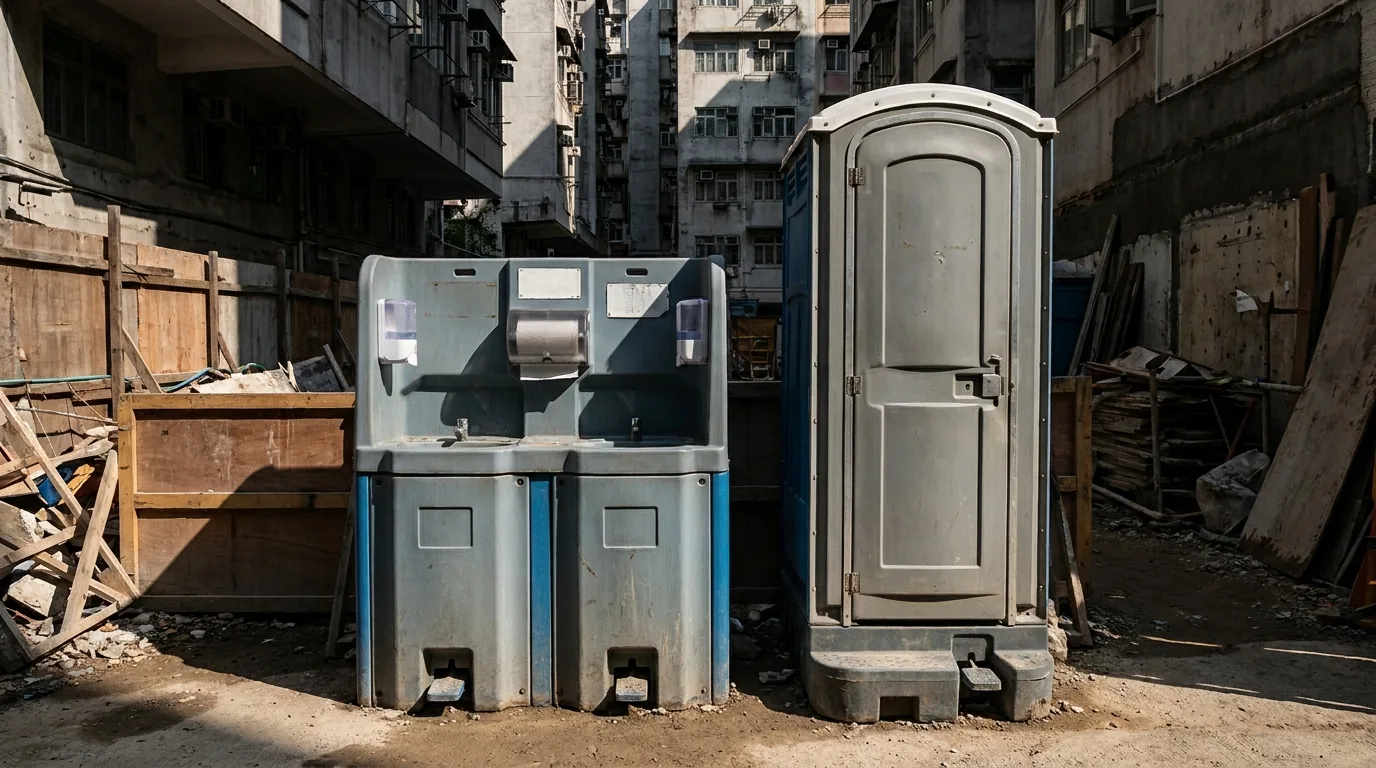
A portable handwashing station holds fresh water in an upper reservoir and gray water in a lower tank underneath, connected by a foot pump or a gravity valve. Push the pump, water runs to the faucet, soap dispenses from a side reservoir, and used water drains down into the holding tank instead of the ground. Under 29 CFR 1910.141(d)(2), washing facilities need soap and a way to dry hands; hand sanitizer alone doesn't satisfy that. A handwashing station rental or portable sink rental gets serviced alongside your toilets so the reservoir stays full and the gray tank stays under capacity. On a food truck event or a farm crew job, this is often required rather than optional; check handwashing requirements if you're not sure what your site needs. OSHA 1926.51(f)(1) specifically requires washing facilities where workers apply paints, coatings, herbicides or insecticides, so a landscaping or painting crew in Milwaukee should plan for one on site, not just a hand sanitizer station.
Because OSHA 1926.51(c) sets minimum toilet counts by crew size: one facility for 20 workers or fewer, then additional seats and urinals as headcount climbs past 20, and again past 200. A construction worker running to a porta potty mid-shift isn't a punchline, it's the reason the ratio exists; sites without enough units see longer breaks and more complaints. If you're staffing a Milwaukee job and unsure how many stalls you need, how many porta potties do I need walks through the math, and OSHA portable toilet requirements covers the rule in more detail. Agricultural crews fall under a separate rule, OSHA 1928.110, which requires one facility per 20 hand-labor employees within a quarter mile walk, relevant for farm operations outside the city proper. Every unit on a Milwaukee street or sidewalk may also need a permit; Chapter 115 of the Milwaukee Code of Ordinances governs obstruction of public ways, though the exact fee and permit name were not confirmed in city records, so check current porta potty permit requirements before placement. Winter service matters too: porta potty in winter covers what changes when Milwaukee's average January low hits 15.6 F.
| unit | day | week | month |
|---|---|---|---|
| standard | $100-$350 | $130-$500 | $125-$325 |
| deluxe | $85-$1,200 | $150-$290 | -- |
| ada | $200-$400 | $240-$300 | -- |
Rates vary by unit and length of rental; see porta potty rental cost or monthly porta potty rental for a fuller breakdown, and porta potty rental per day if you only need one for a weekend project.
A blue or green deodorizing solution, mixed into the holding tank, controls odor and helps break down waste between services. It's not a strong industrial cleaner, just a formulated tank additive. Milwaukee Porta Pros techs refill it on every scheduled visit, so you never handle it yourself.
They can, especially in heat or with infrequent service, but the tank chemical and vent stack are designed to manage it. Regular pumping keeps odor down; see do porta potties smell for what drives smell and how service frequency fixes it.
Weekly is the baseline under the ANSI/PSAI Z4.3 service standard, for up to 10 users over a 40 hour week. Busier events or job sites need more frequent visits. Full detail is on how often are porta potties cleaned.
Same mechanism as a standard unit: a holding tank, a chemical charge, no plumbing needed. For remote sites or campgrounds around Milwaukee, delivery and placement matter more than the unit itself; see camping porta potty for setup specifics.
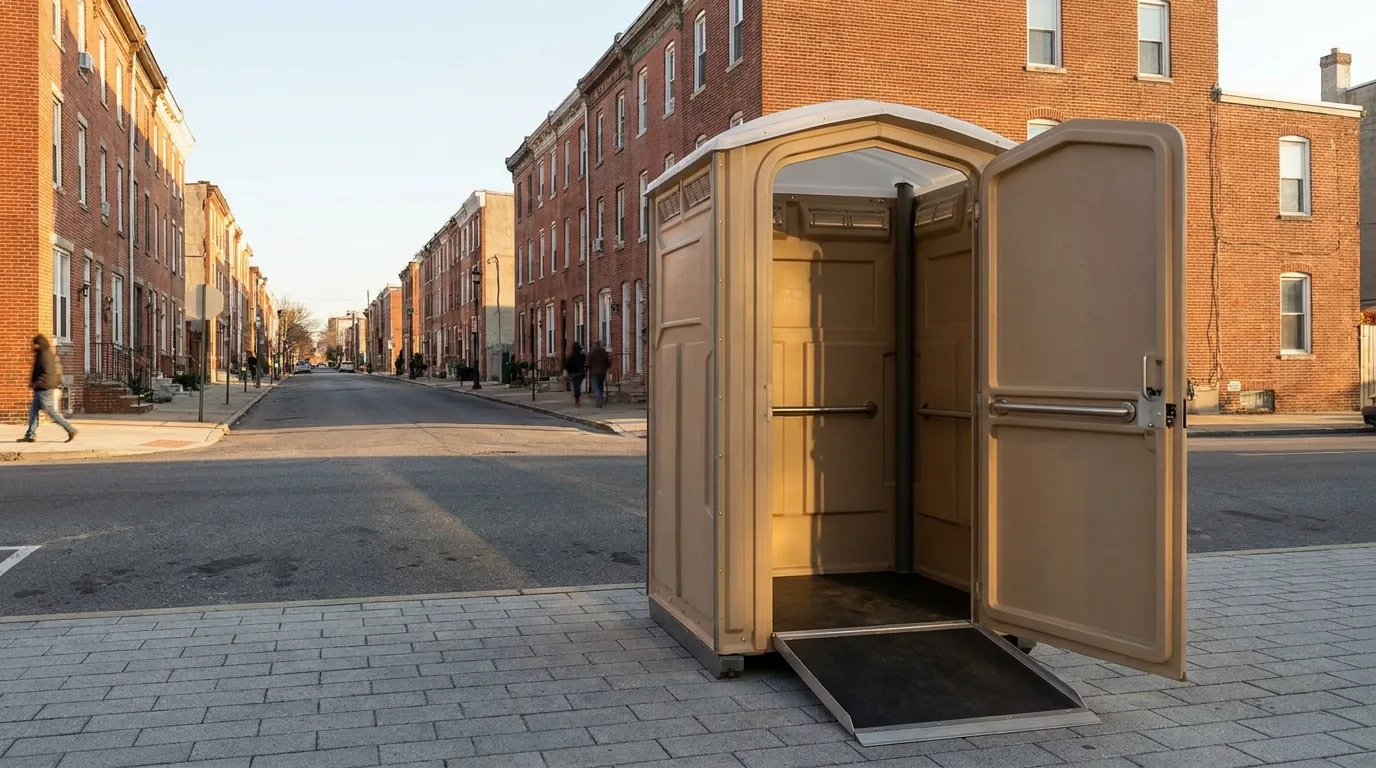
Some are. ADA Standards section 213.2 requires at least 5 percent of clustered units, and never fewer than one, to be accessible, with a 60 inch turning circle under section 304.3.1. Ask for an ADA accessible porta potty when you book.
What we rent
Typical Milwaukee ranges, not a quote. Delivery is $50 to $150 and a weekly service visit $30 to $60. See the full cost breakdown.
$125 to $250 a weekend
$200 to $350 a weekend
$199 to $300 a weekend
Quoted by stall count
The rest of the yard
We deliver across Milwaukee County and the surrounding metro:
Next step
Tell us the address, the dates and the headcount. We size the order and confirm the route.