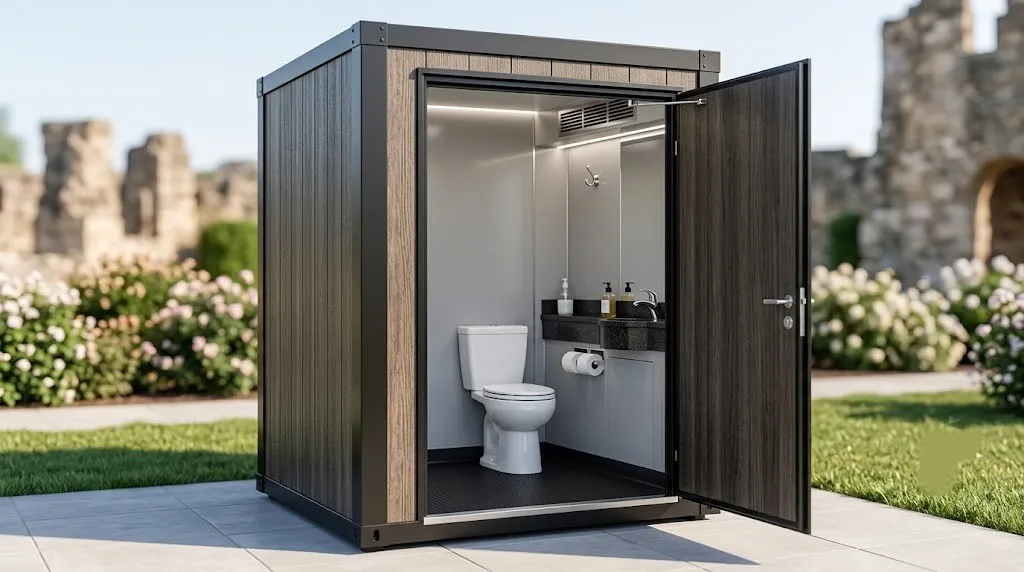
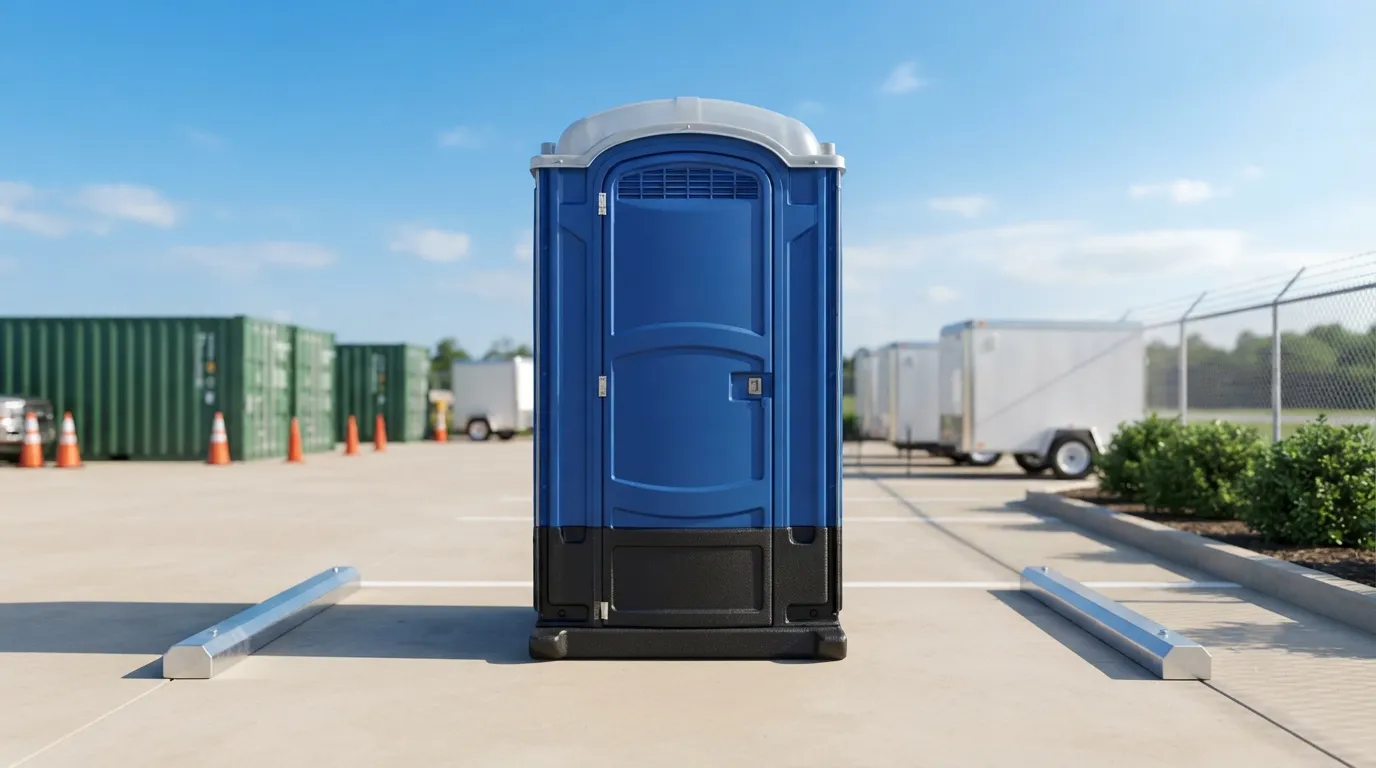
Standard porta potty
$125 to $250 a weekend
Milwaukee, WI
OSHA portable toilet requirements construction rules set the count under 1926.51(c): one toilet for 20 workers or fewer, then one toilet and one urinal per 40 workers up to 200, dropping to one per 50 above that. Milwaukee job sites follow this same federal ratio. There is no separate Wisconsin OSHA construction standard, and Cal OSHA portable toilet requirements construction rules apply only in California, not here.
Start with your headcount and read straight off the OSHA 1926.51(c) table. Twenty workers or fewer, one unit. Twenty-one to sixty, add a second. The ratio steps up again near 200 workers, when the requirement shifts to one seat and one urinal per 50. Most Milwaukee crews land in that first bracket, and a standard porta potty rental covers it. If you run a swing shift or a longer job, check the breakdown on how many porta potties do I need before you order. General industry sites, as opposed to active construction, fall under 29 CFR 1910.141(c)(1)(i) instead, a separate ratio table worth knowing if your Milwaukee site is a warehouse or a yard rather than a build. Farms with hand-labor crews answer to a different rule entirely: OSHA 1928.110 requires one facility per 20 employees, reachable within a quarter mile, which matters for farm and agricultural restrooms work outside the city.
Water and handwashing come with the same standard. 1926.51(a)(1) requires an adequate supply of potable water on every site, and general sanitation runs under that same 1926.51(c) umbrella. If your crew is spraying paint, coatings, herbicides or insecticides, 1926.51(f)(1) kicks in specifically for that work and requires washing facilities beyond a plain toilet. That is a common trigger on Milwaukee remodel jobs, and it is why a lot of contractors add a handwashing station rental or a portable sink rental rather than relying on hand sanitizer, which does not satisfy 29 CFR 1910.141(d)(2) anyway since that rule calls for soap and towels or a hand drying device. Lighting and housekeeping standards apply too, under 1926.56(a) for illumination and 1926.25 for keeping debris clear, both worth a look if your site also runs a roll-off dumpster rental for demo waste.
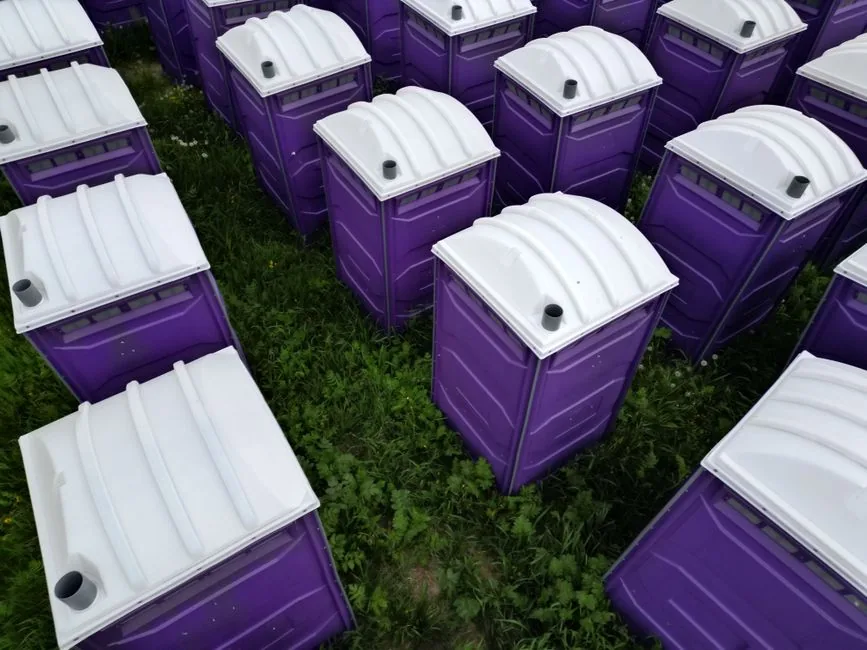
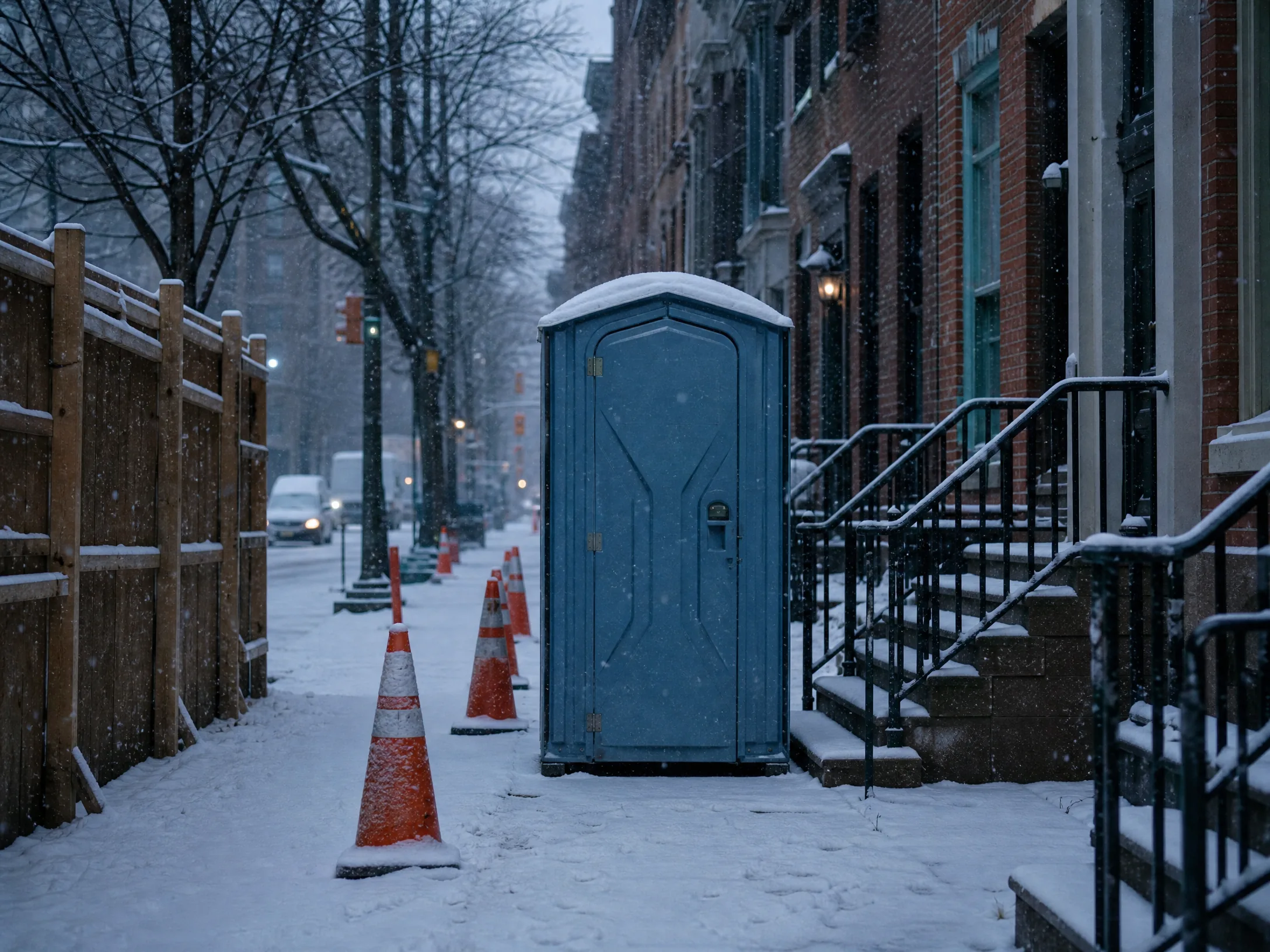
Keep it close, keep it clear, and check the ordinance before you set anything on the sidewalk. OSHA does not publish a fixed placement distance, but ANSI/PSAI Z4.3 sets the service baseline at once a week for up to 10 users over a 40 hour week, which shapes how many units you need if the closest one is a hike from the crew. Placement inside Milwaukee's public right of way is a separate question from OSHA compliance. Milwaukee Code of Ordinances Chapter 115 covers obstruction on public ways, and section 115-32 addresses obstructions specifically, but the exact permit name and fee are not published in a form we could verify. Confirm placement in the public way directly with Milwaukee's Department of Public Works before you set a unit at the curb. Our porta potty placement guide covers the practical side, and porta potty permit requirements walks through what to ask the city. If your load-in truck needs room, remember a roll-off delivery needs about 60 feet of straight clearance behind the truck, the same clearance a construction dumpster rental needs on a tight urban lot.
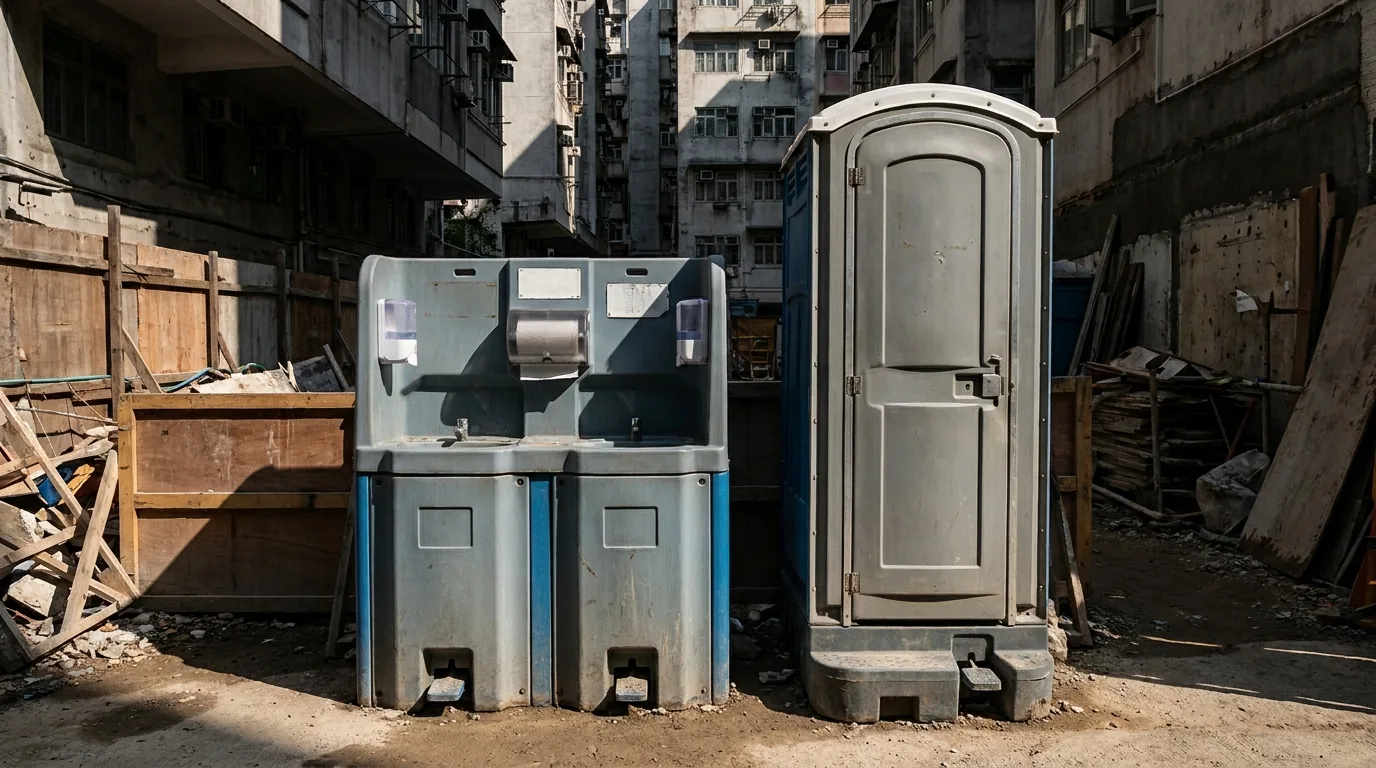
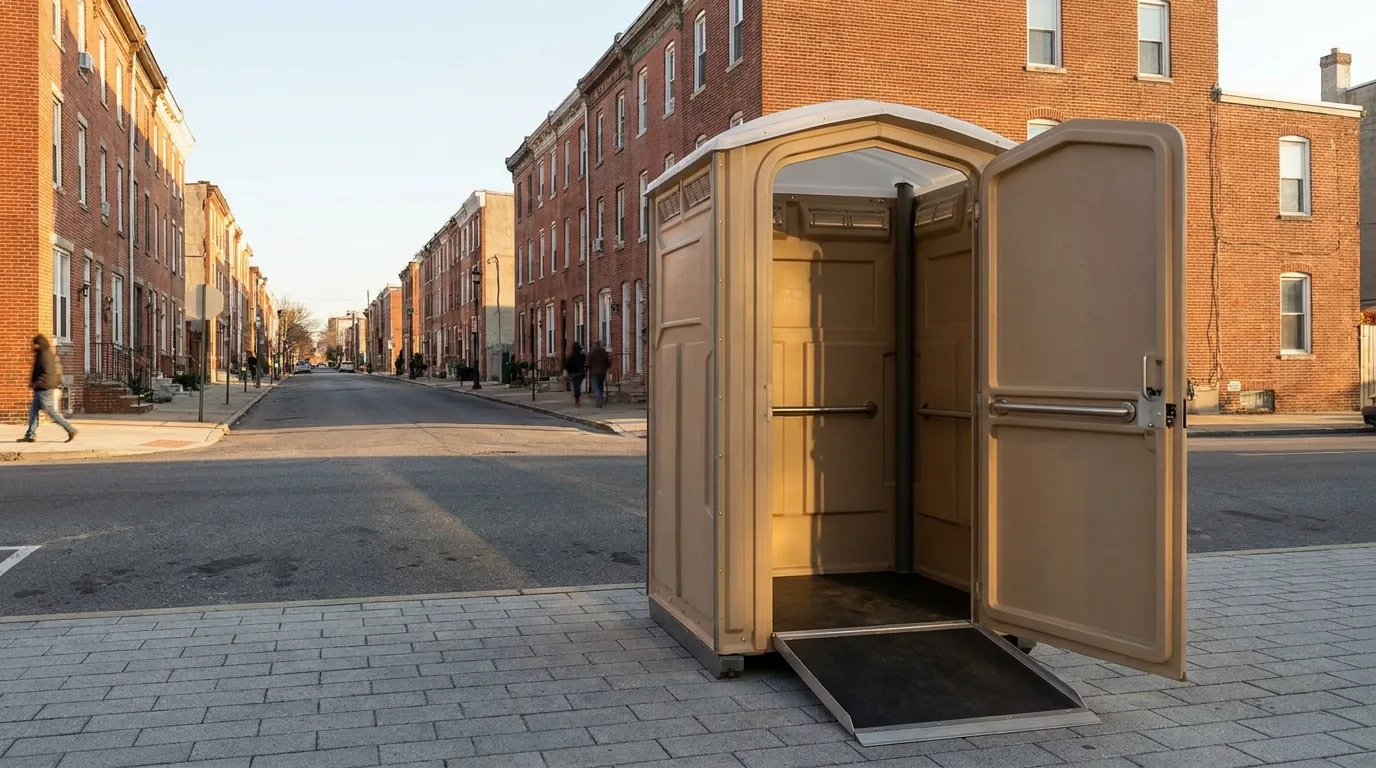
Yes, once you cluster units. ADA Standards section 213.2 requires that at least 5 percent of a cluster of single-user portable toilets be accessible, with a minimum of one unit regardless of cluster size. That accessible unit needs a 60 inch turning circle under section 304.3.1, a 32 inch clear door opening under 404.2.3, and a route at least 36 inches wide under 403.5.1. Our ADA accessible porta potty page covers unit specs, and ADA restroom requirements goes deeper on the standard itself. This matters more than people expect on Milwaukee event sites, where a county fair, a marathon route, or a festival grounds can require several accessible units spread across a large footprint. See festival restroom rental, marathon restroom rental, and county fair restrooms for site-specific setups. For jobs closer to Wauwatosa, 3.8 miles west of Milwaukee, or Whitefish Bay, 6.7 miles northeast, the same ADA math applies regardless of which side of the county line you land on.
No fixed distance is written into 1926.51, so OSHA portable toilet distance requirements are really a ratio, not a walking-distance rule, though the agricultural standard under 1928.110 does specify a quarter mile. For general construction, use judgment: put the unit where the crew can actually reach it during a break, and pair the toilet with a portable toilet rental plan sized to shift length.
Under OSHA 1926.51(c), a crew of 50 needs two toilets, since the ratio steps to one per 40 above the first 20 workers. Round up, not down, if your headcount sits near a break point, and confirm with how many porta potties do I need.
No. 29 CFR 1910.141(d)(2) requires soap plus towels or a hand drying device, not sanitizer alone. This applies whenever handwashing facilities are required, including under the paint and coatings trigger in 1926.51(f)(1).
No. Cal OSHA portable toilet requirements apply in California only, not Wisconsin. Milwaukee sites follow federal OSHA 1926.51(c) instead. If you operate crews in both states, check each state's standard separately rather than assuming one ratio covers both.
No. Oshawa, Ontario is outside our Milwaukee service area, and a portable toilet rental Oshawa listing has no bearing on Wisconsin rates or rules. For Milwaukee sites needing job box or container storage alongside restrooms, see storage container rental for local options instead.
What we rent
Typical Milwaukee ranges, not a quote. Delivery is $50 to $150 and a weekly service visit $30 to $60. See the full cost breakdown.
$125 to $250 a weekend
$200 to $350 a weekend
$199 to $300 a weekend
Quoted by stall count
The rest of the yard
We deliver across Milwaukee County and the surrounding metro:
Next step
Tell us the address, the dates and the headcount. We size the order and confirm the route.